
Tristan da Cunha, the remotest inhabited island
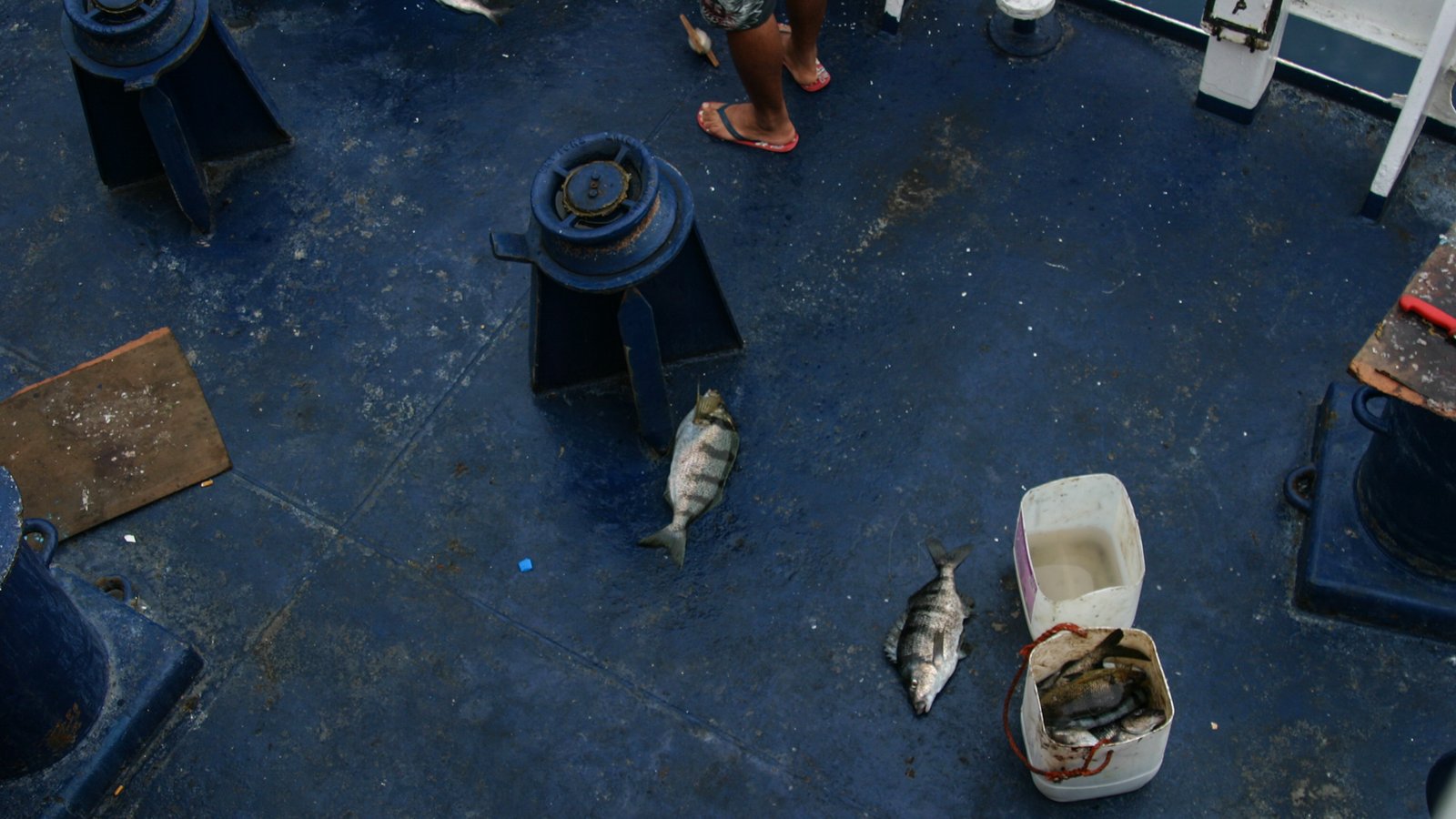
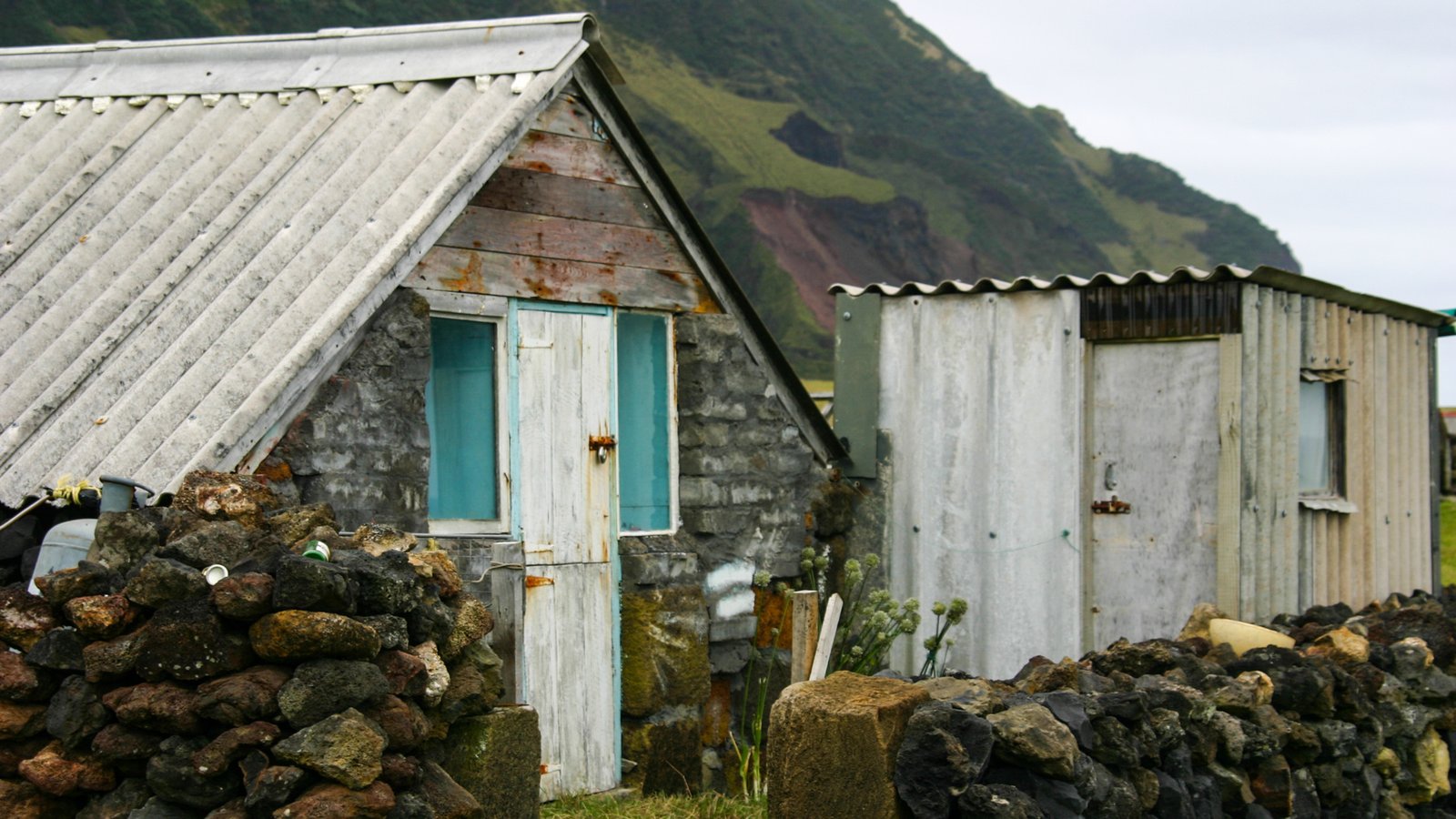
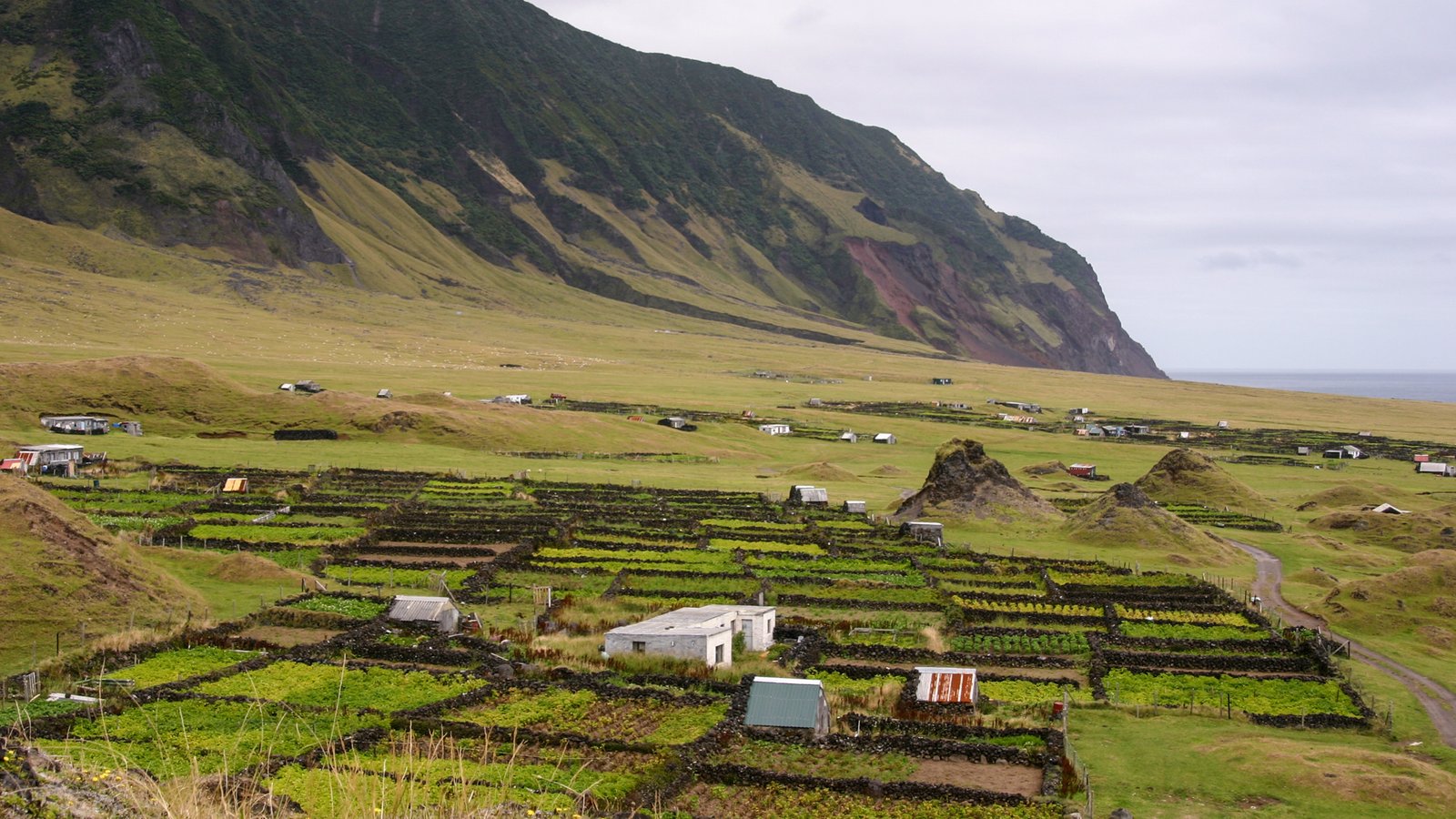
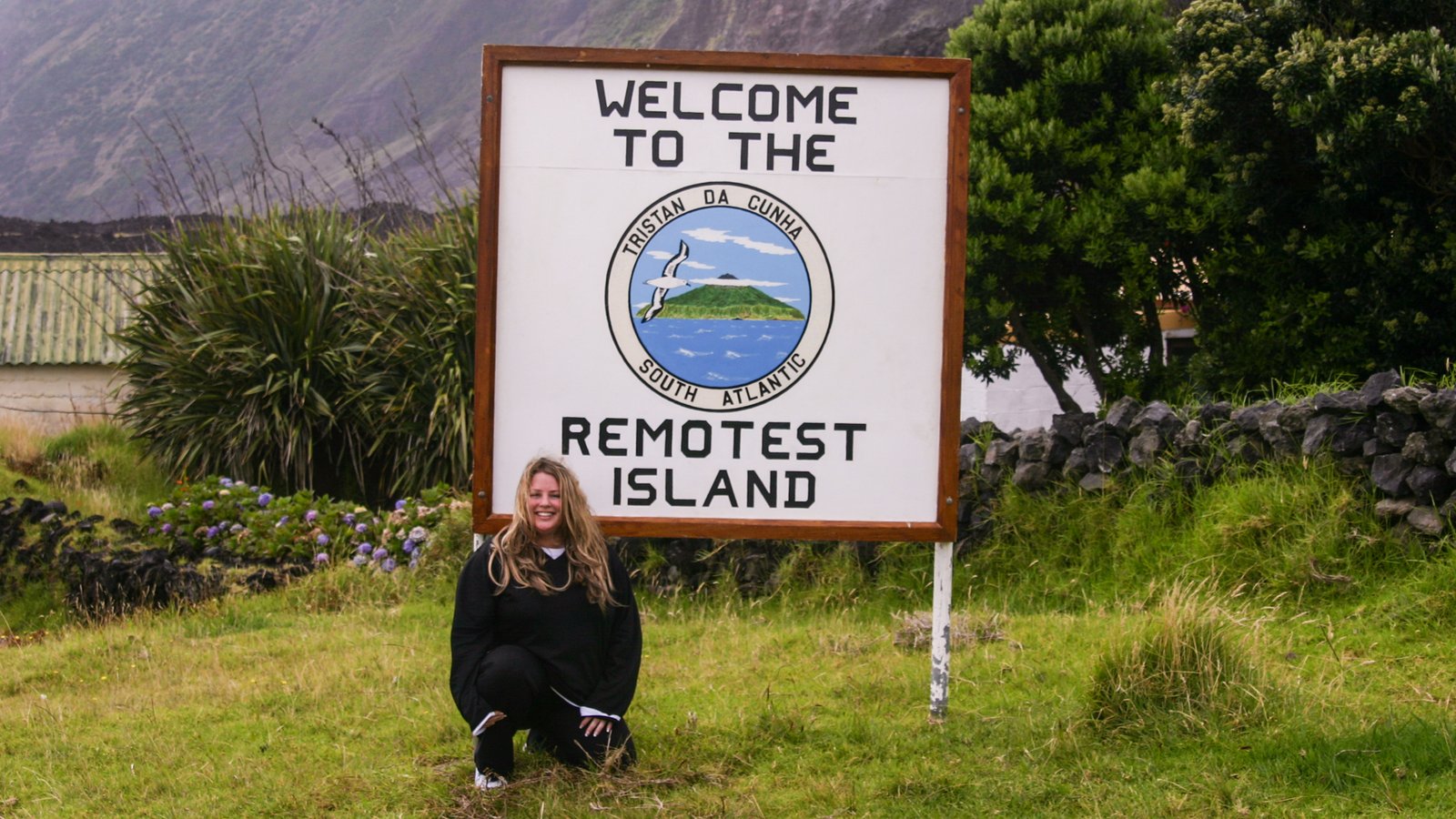
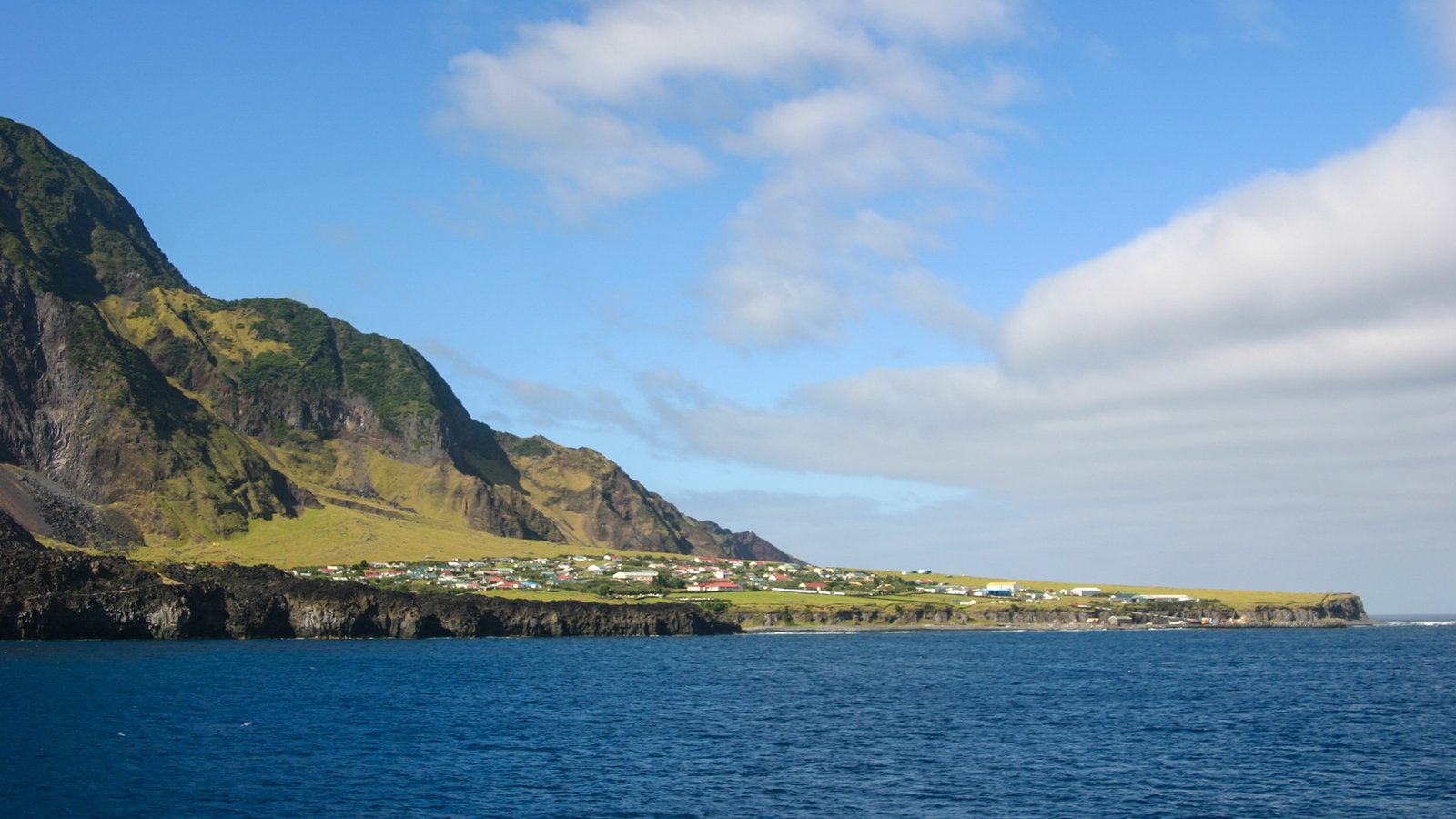
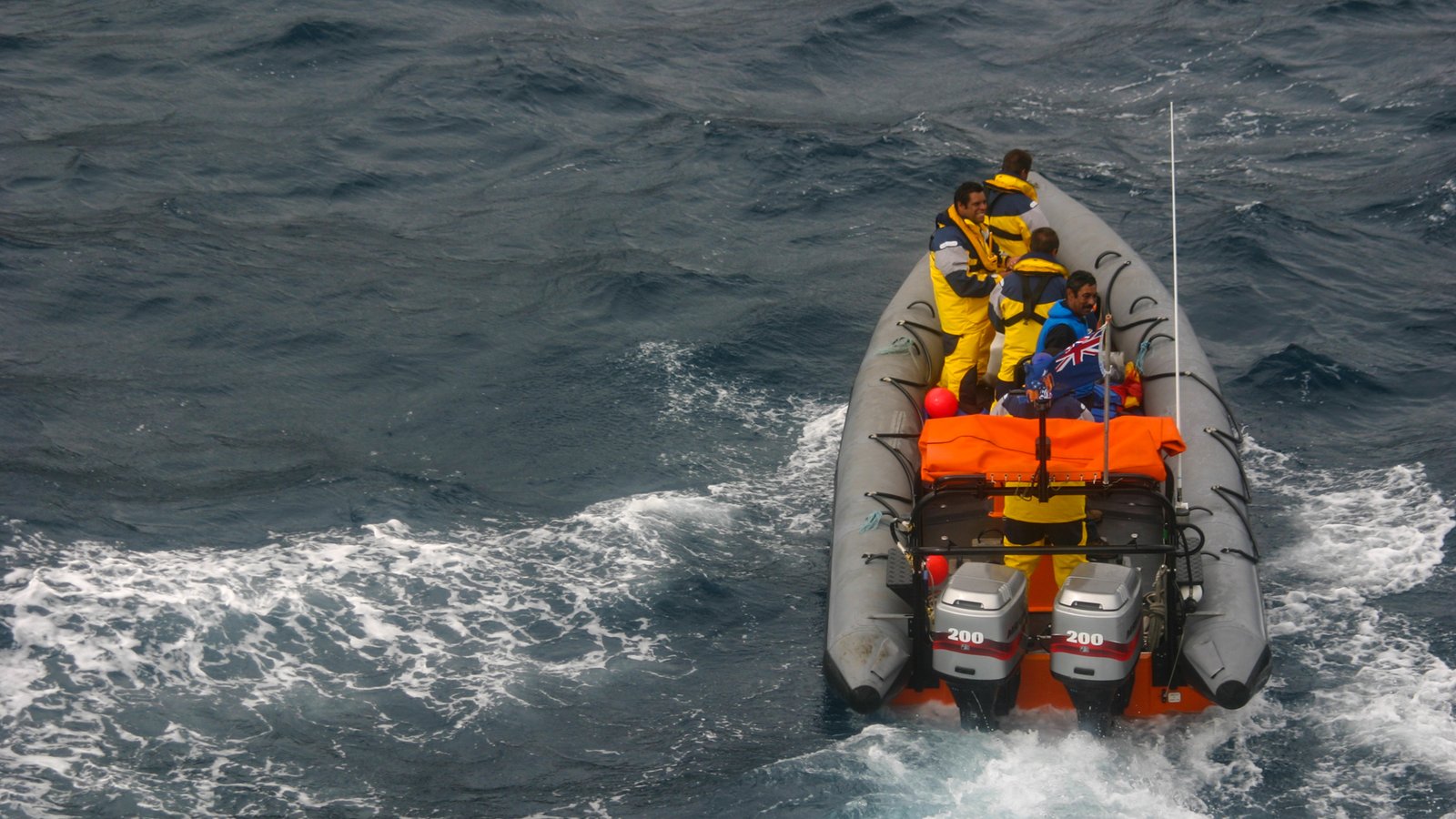
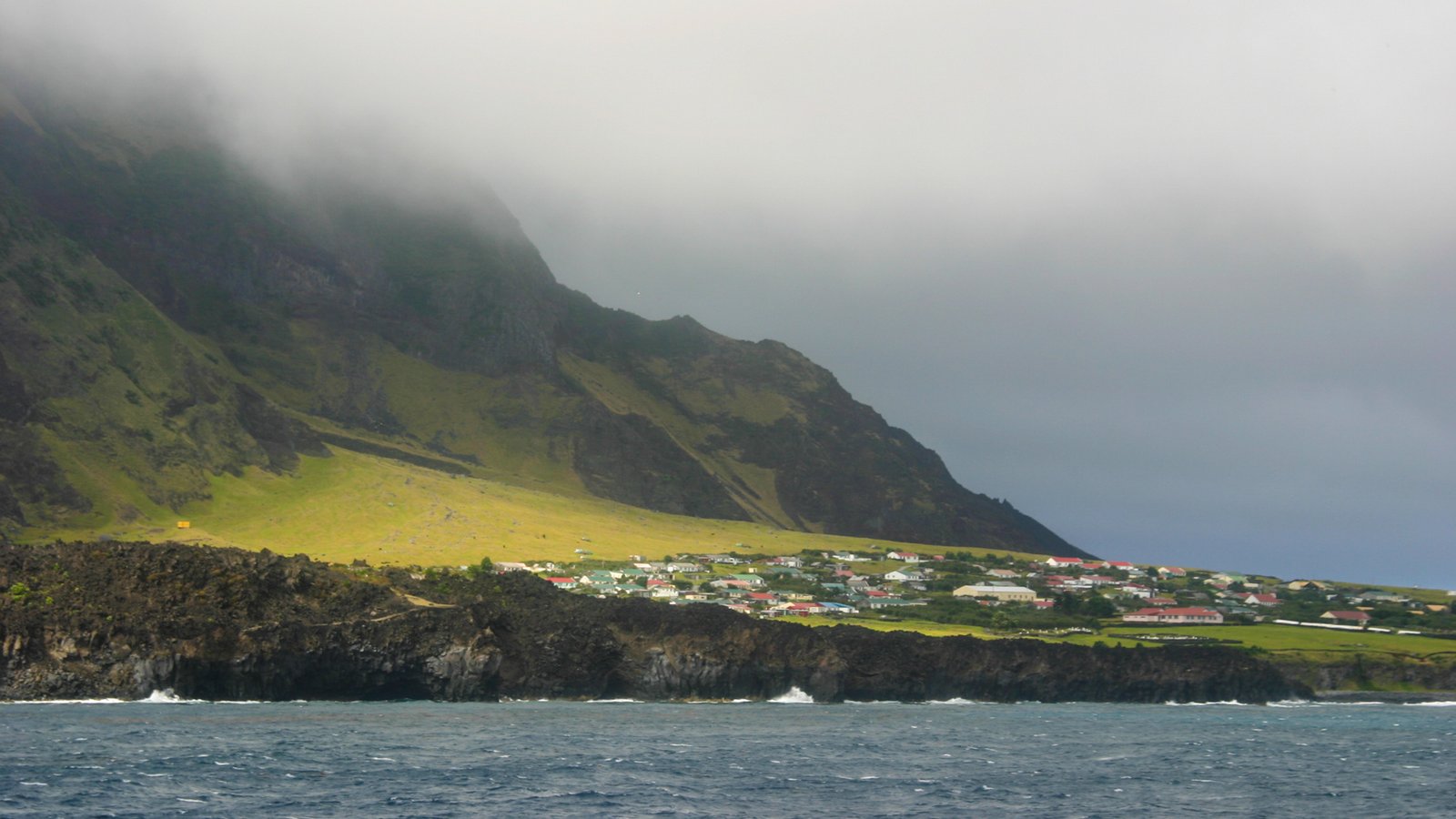
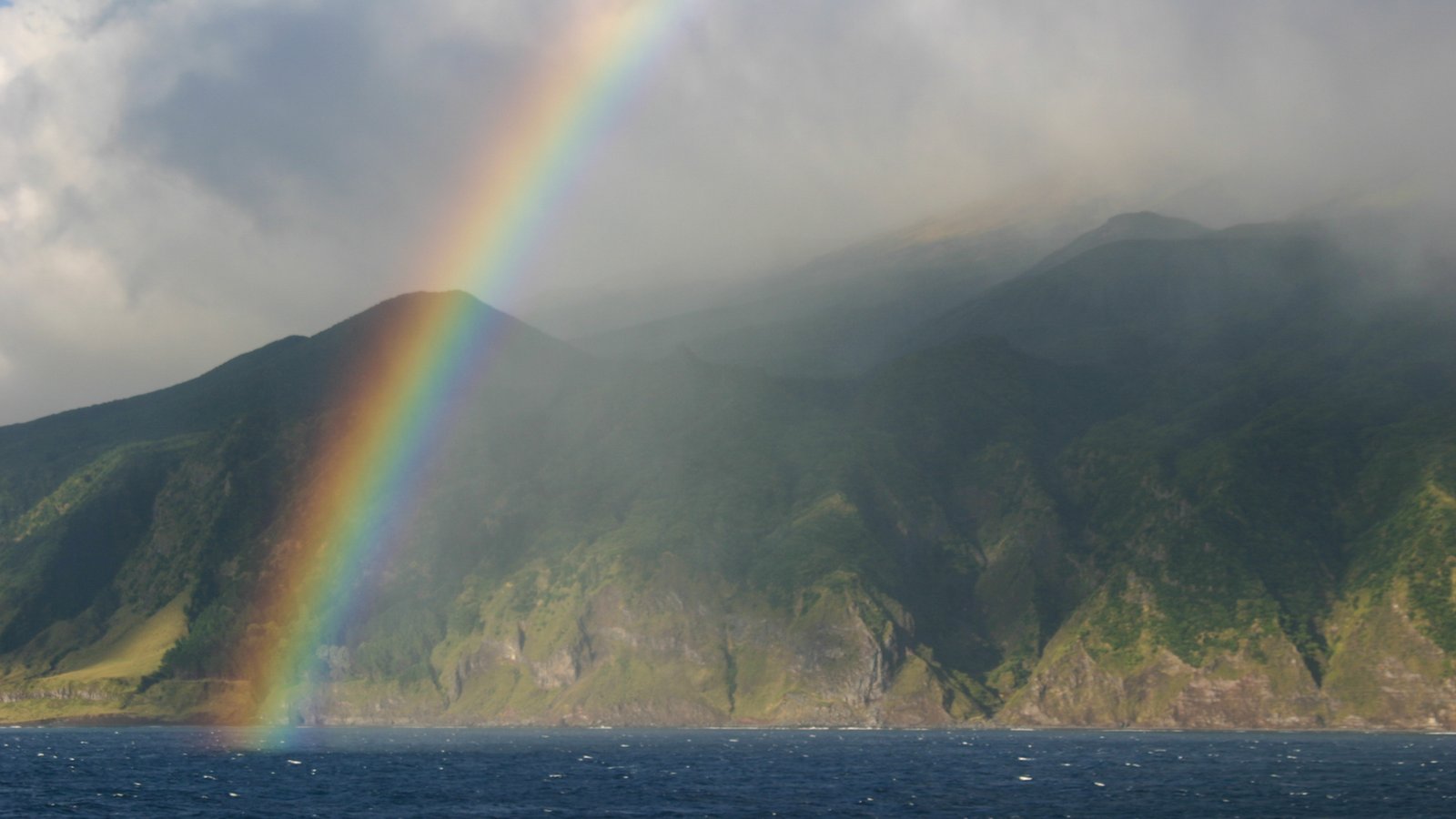
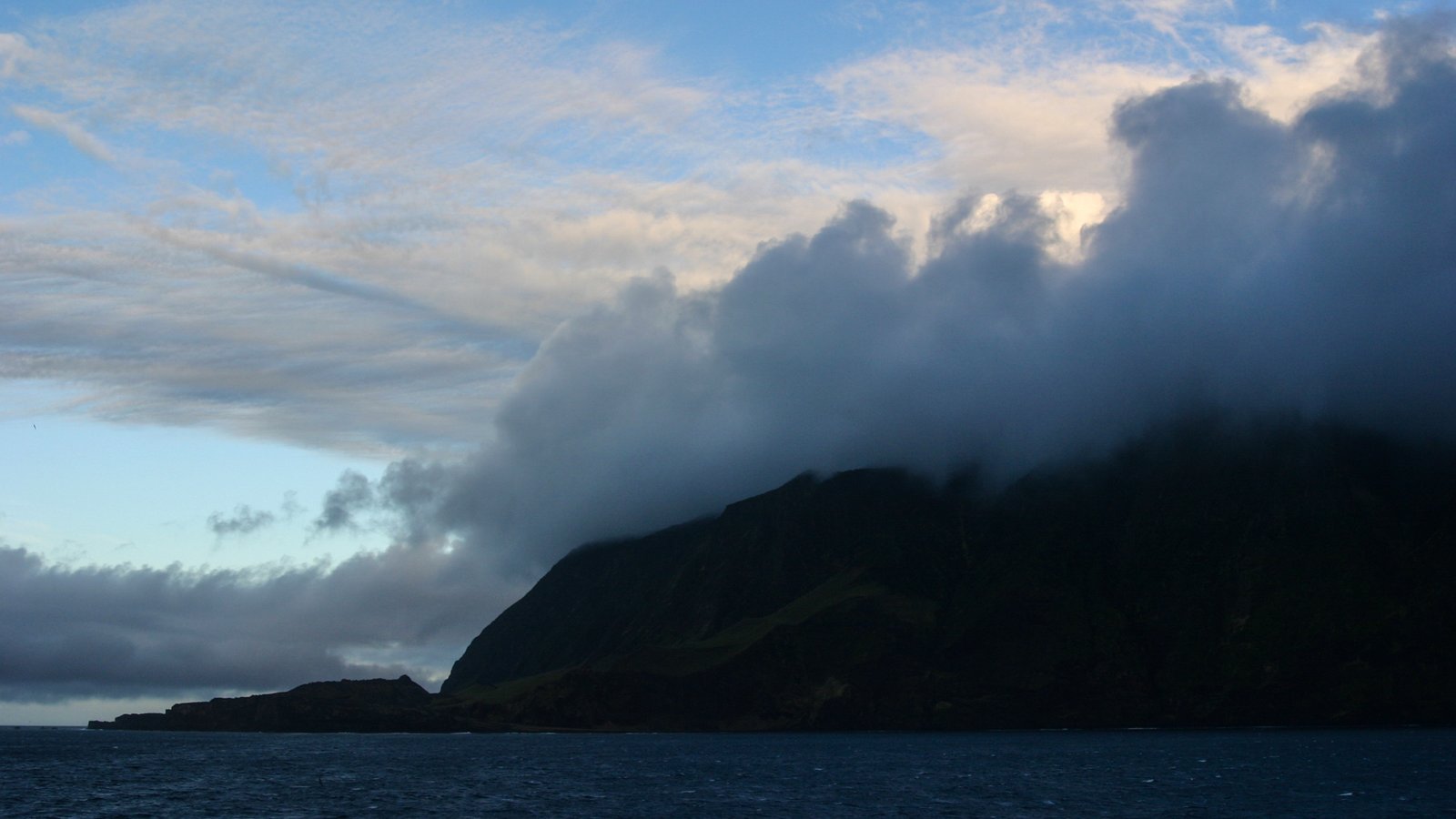
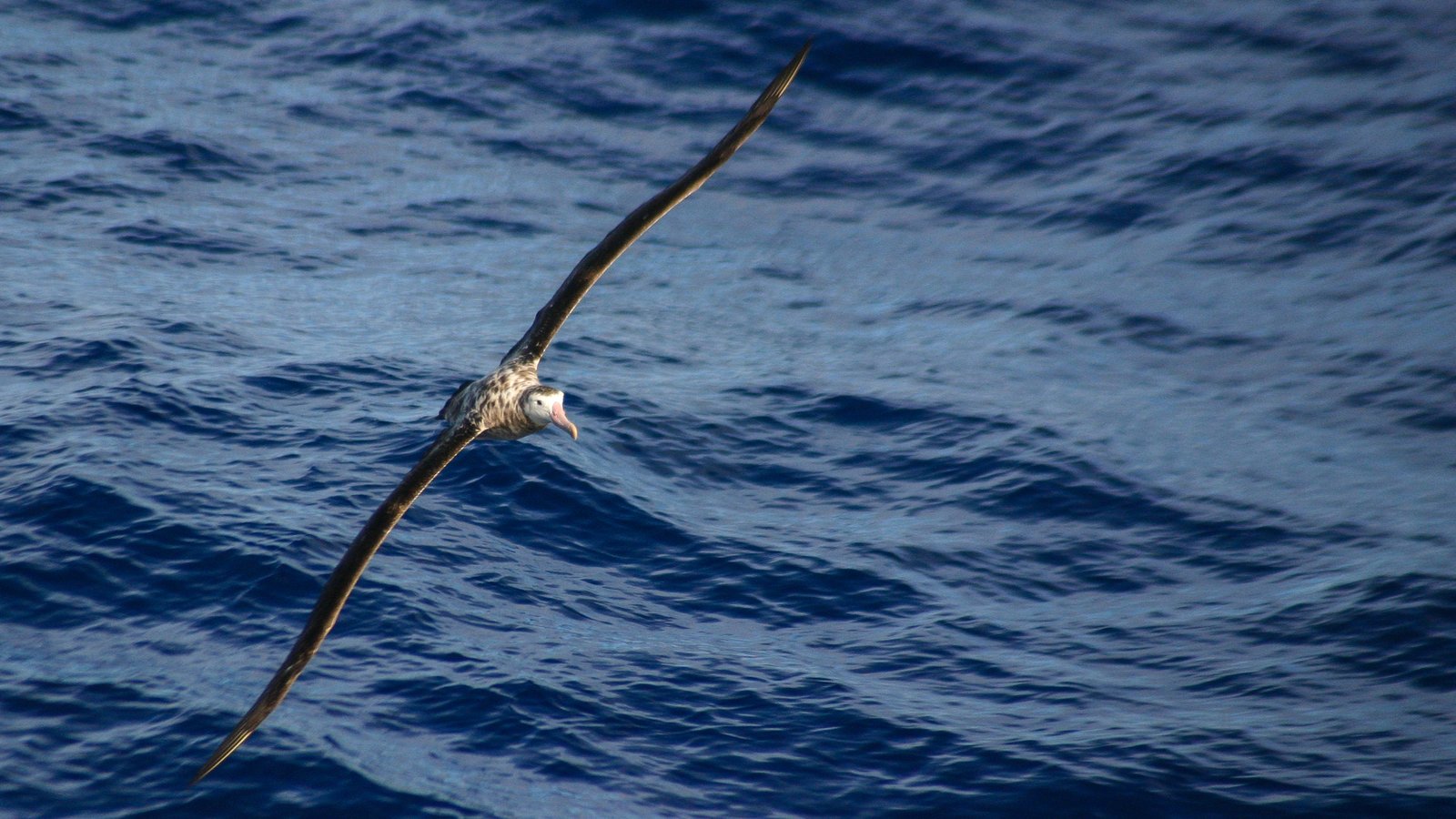
It took me five years to find a ship bound for the remotest inhabited island on earth and six years to step foot on the island of my dreams. Here are a few pics.
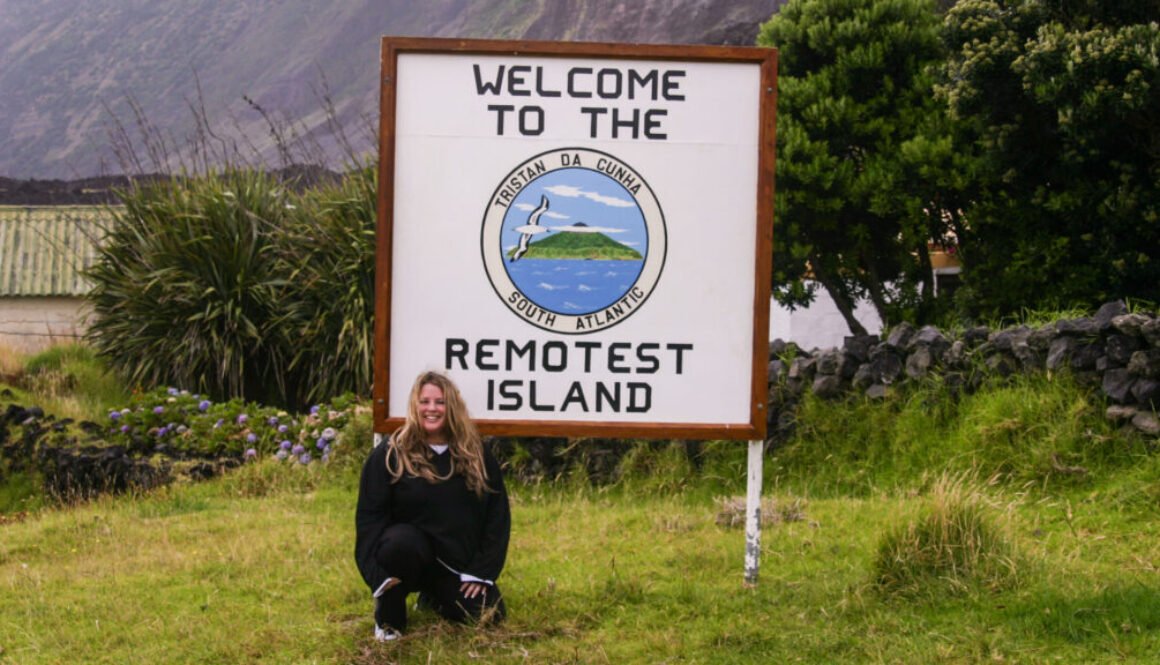
It took me five years to find a ship bound for the remotest inhabited island on earth and six years to step foot on the island of my dreams. Here are a few pics.
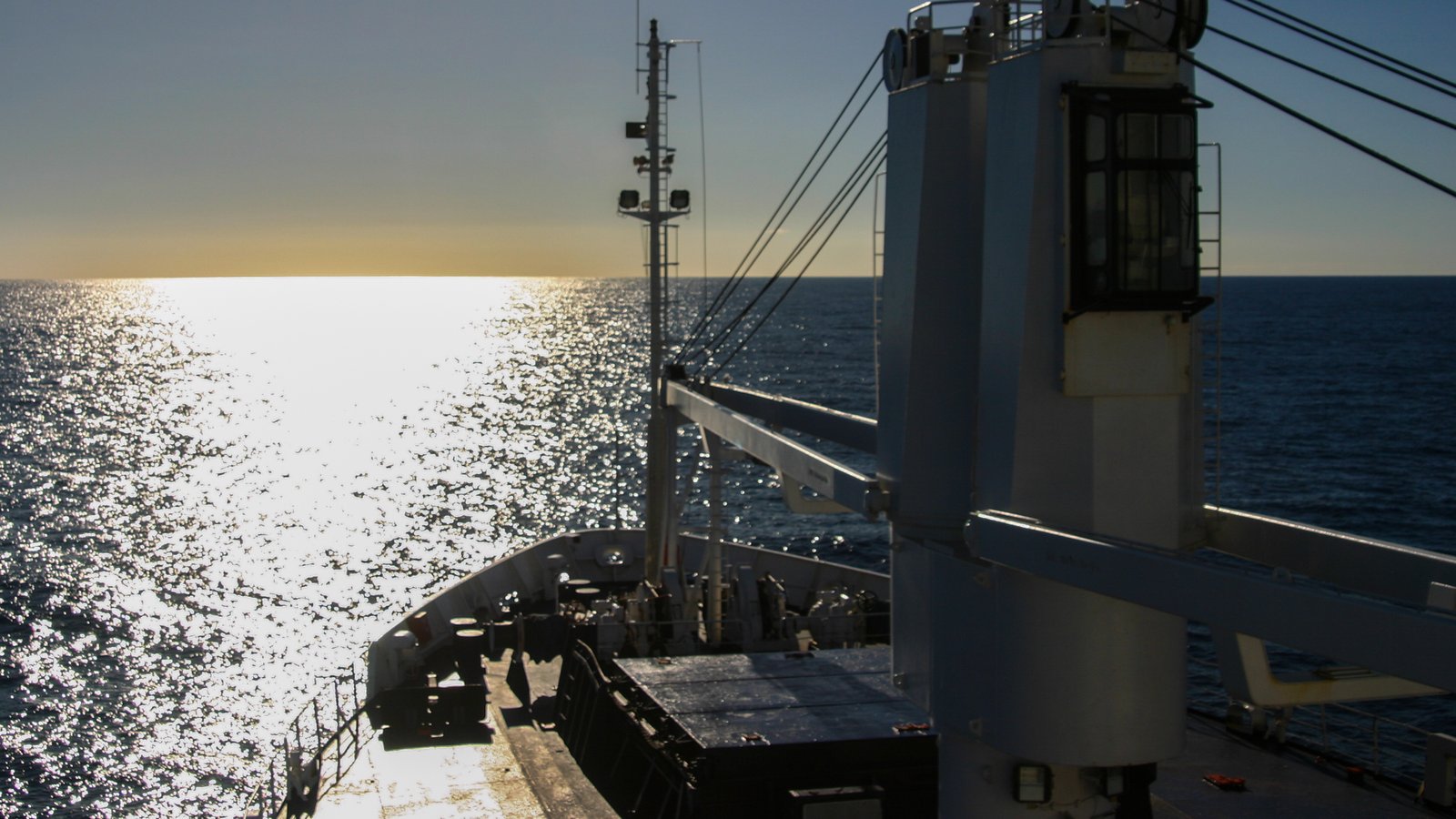
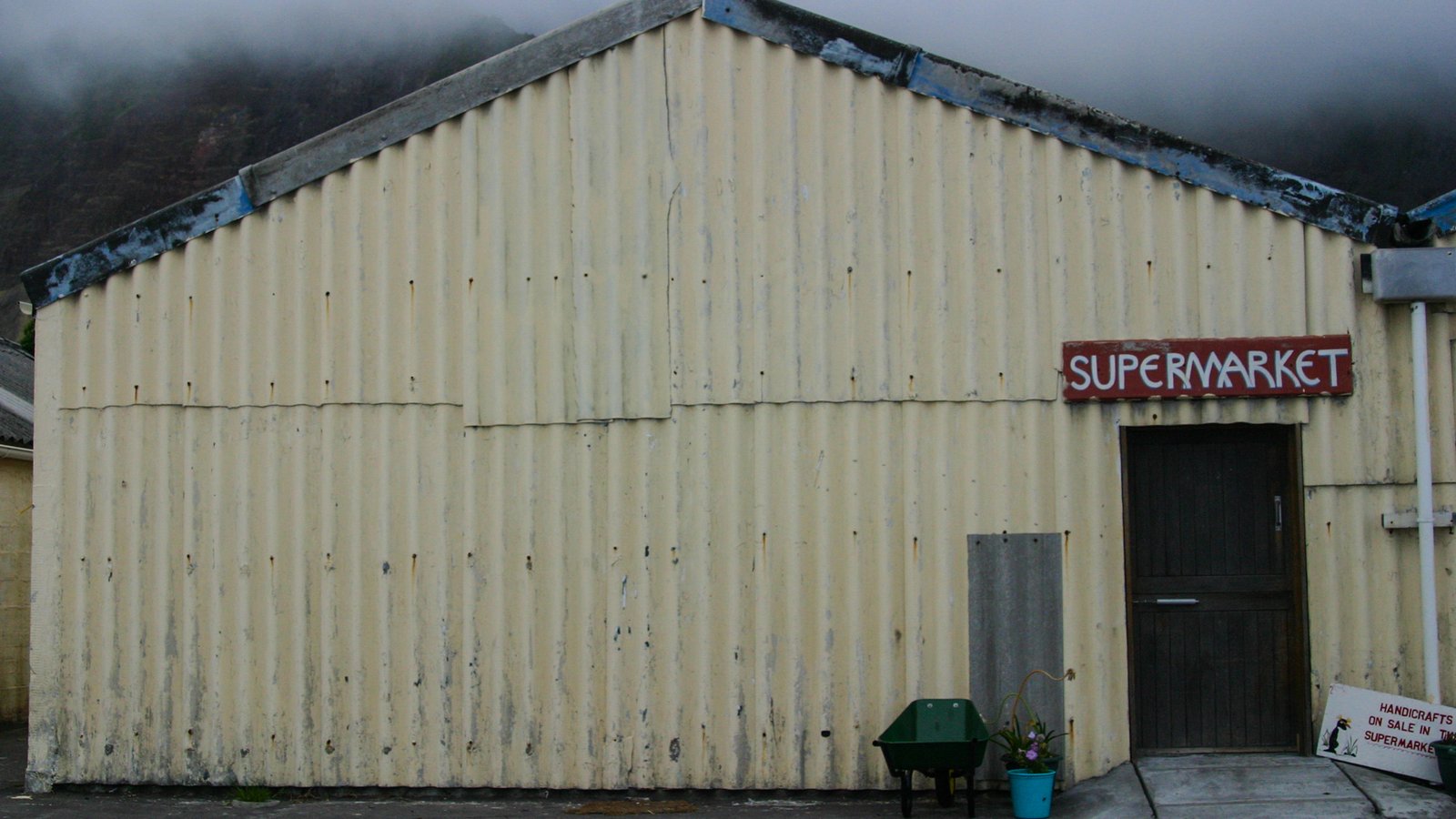
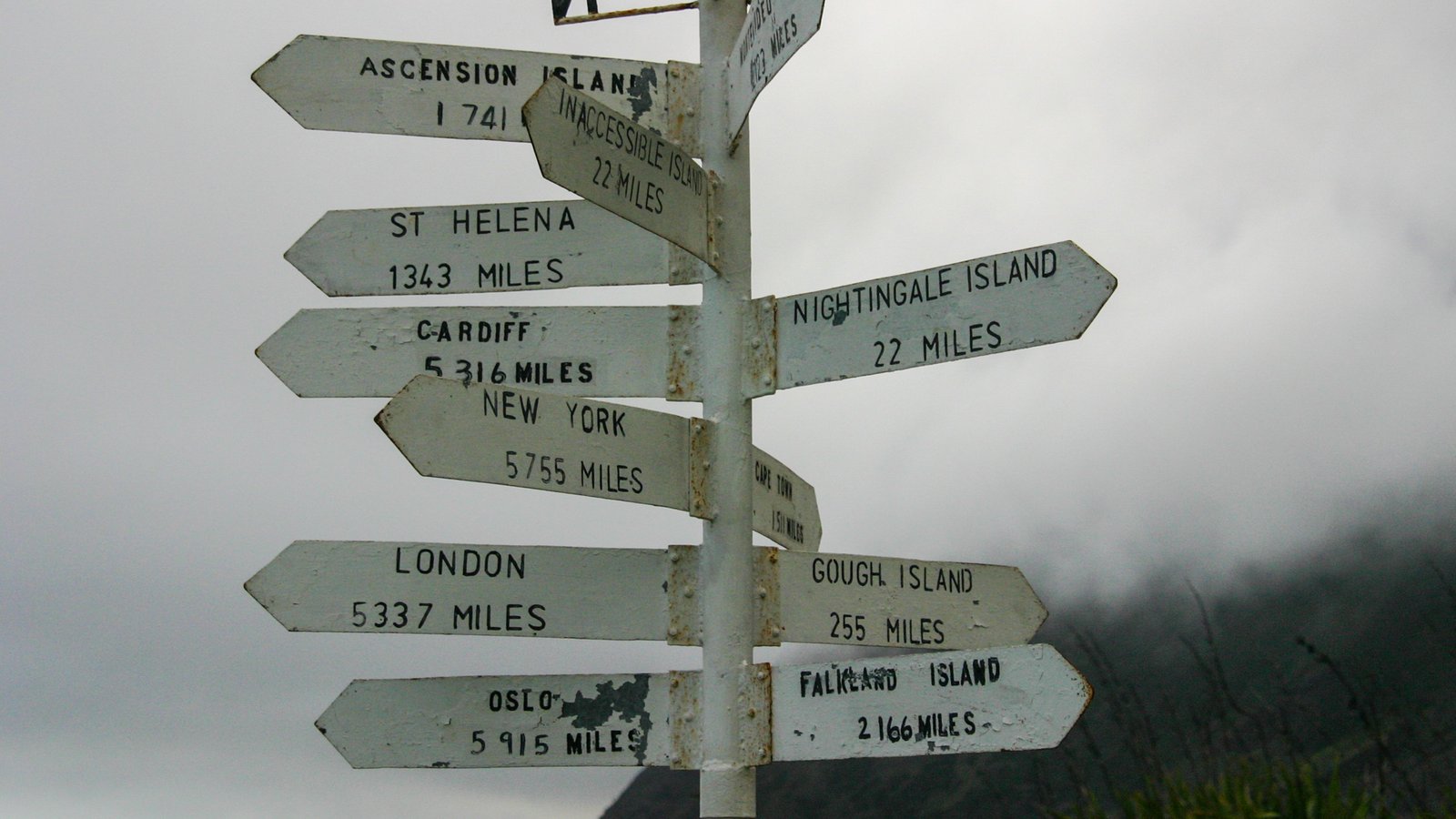
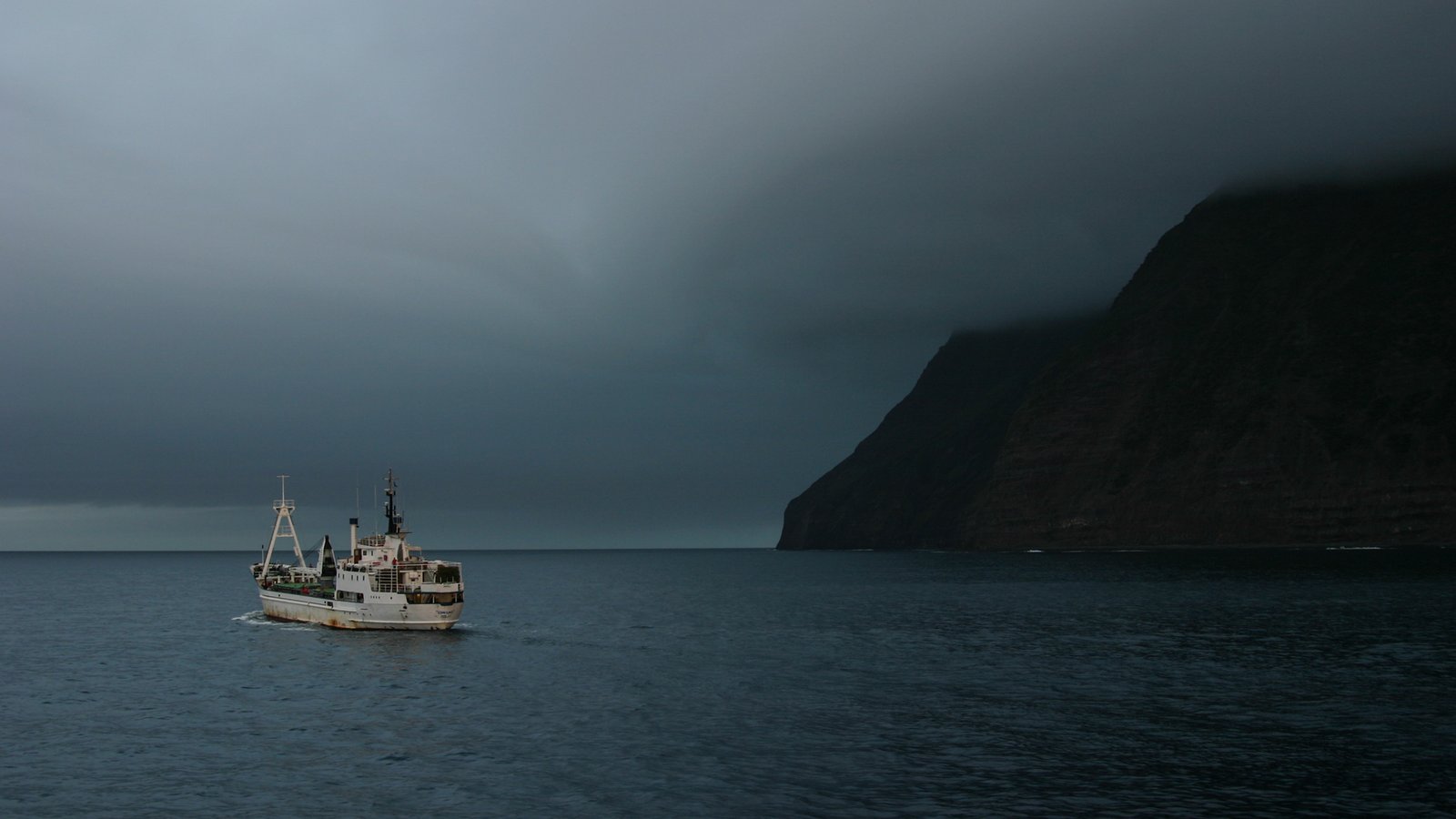
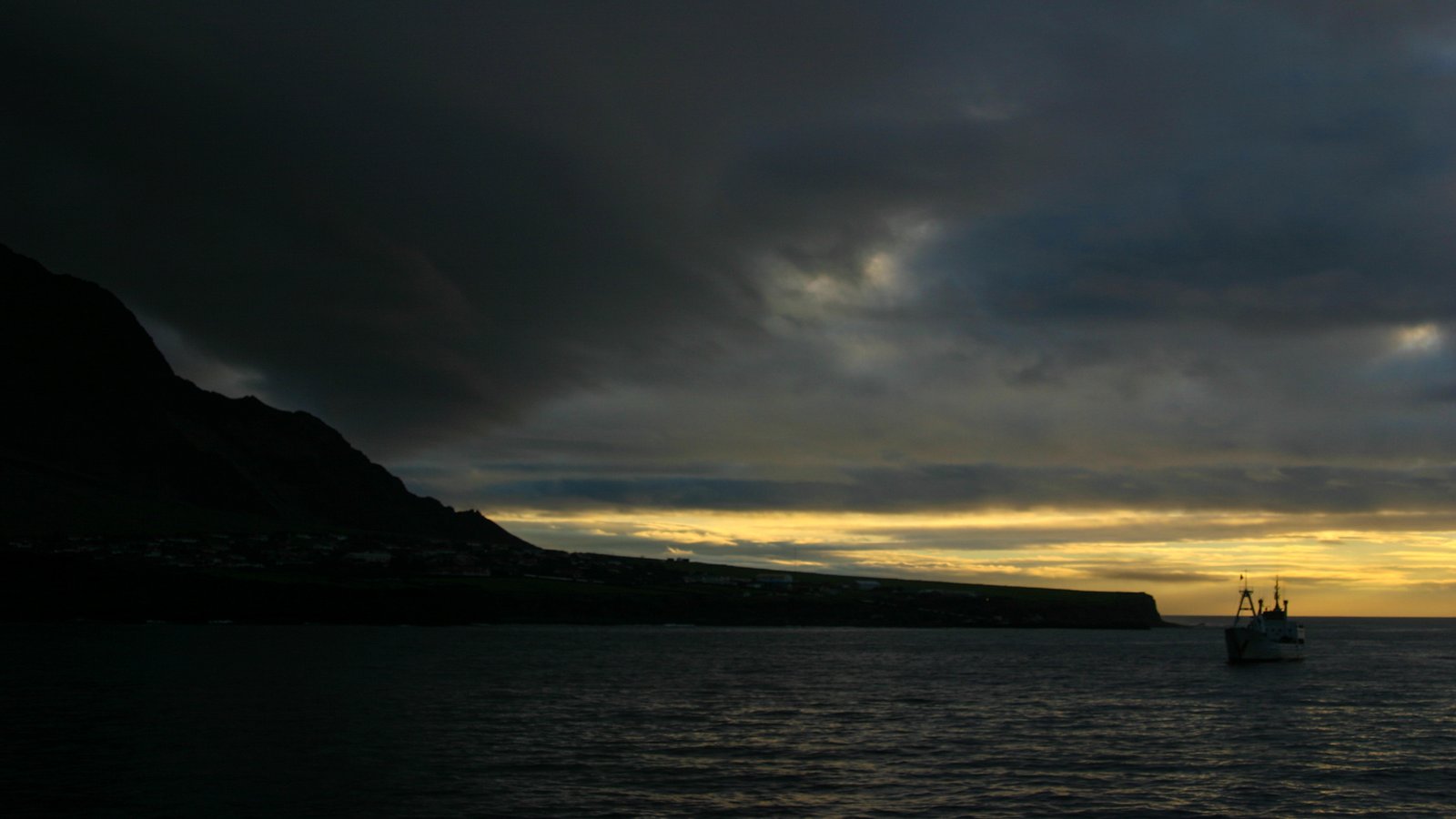
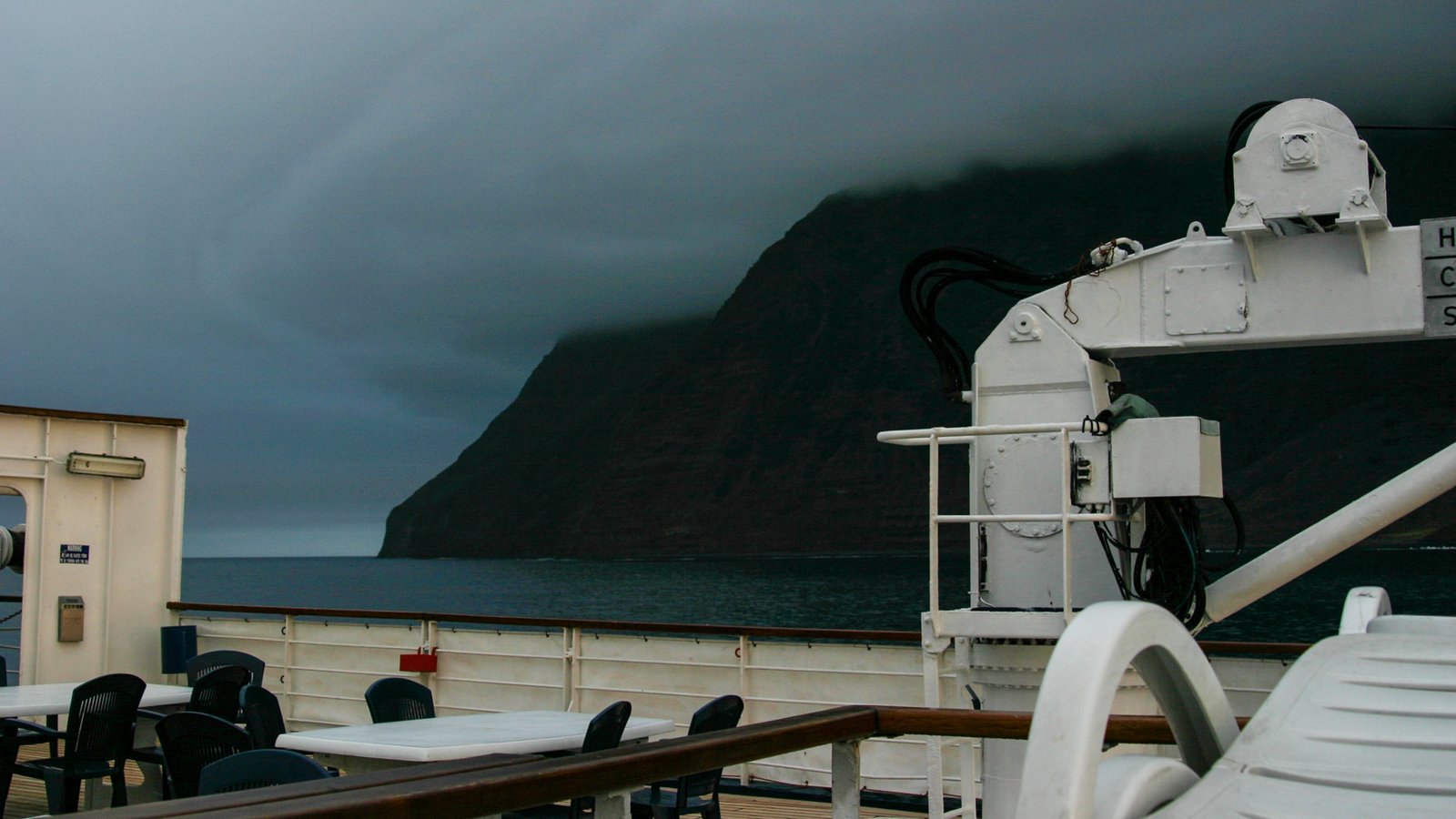

It was well towards the end of the season and approaching winter when we voyaged to Antarctica for our honeymoon from Ushuaia, the southernmost city in the world.
I’d been lucky enough to find a surprisingly affordable Russian research ship that was happy to take a few passengers alongside its scientists. We took part in a very rare hiking expedition, setting foot on both the Antarctic Peninsula and Antarctica itself – and got to go on an unscheduled expedition to some of the surrounding islands that tourists seldom get to see.
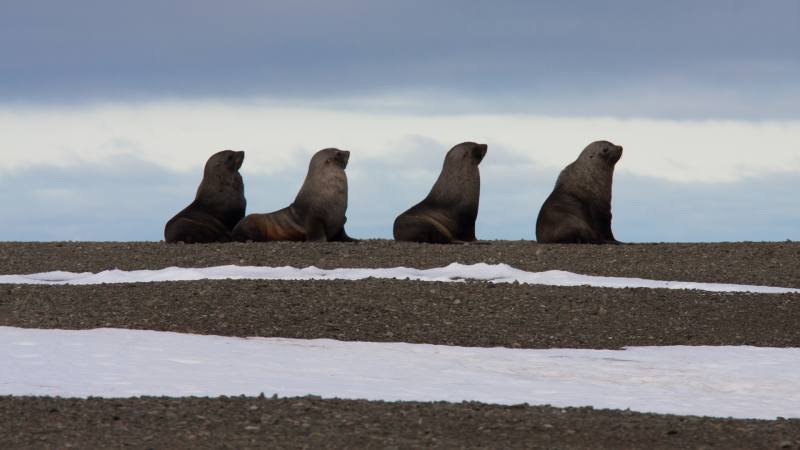
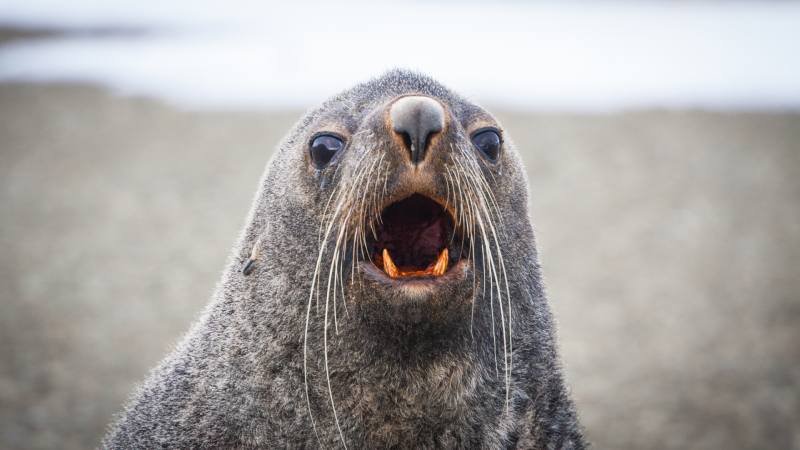
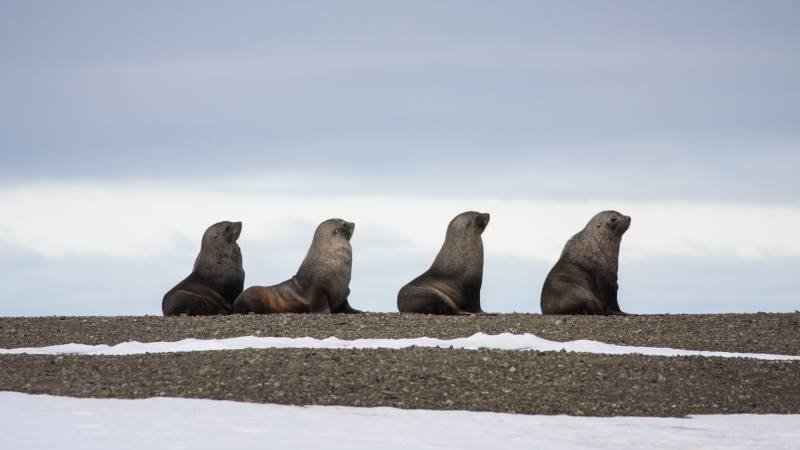
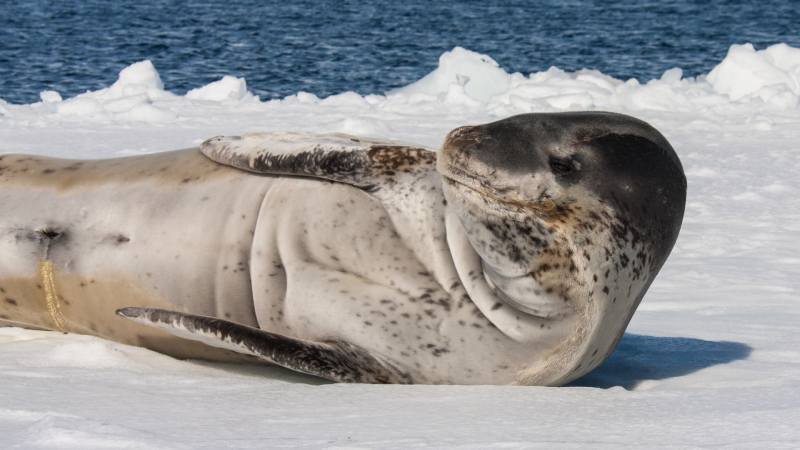
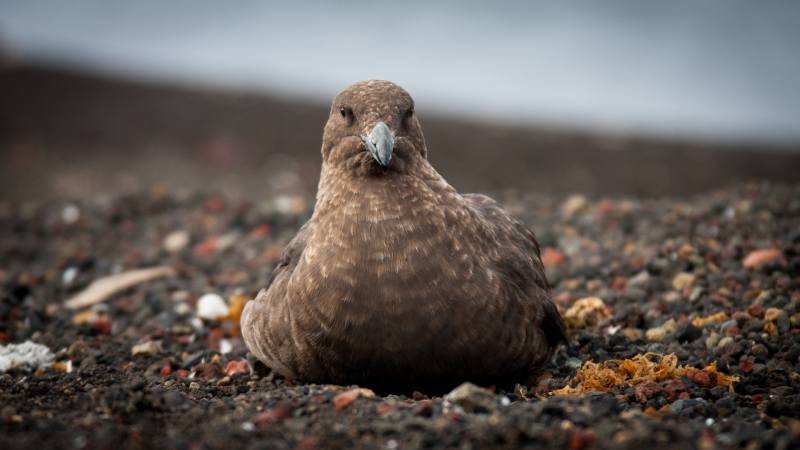
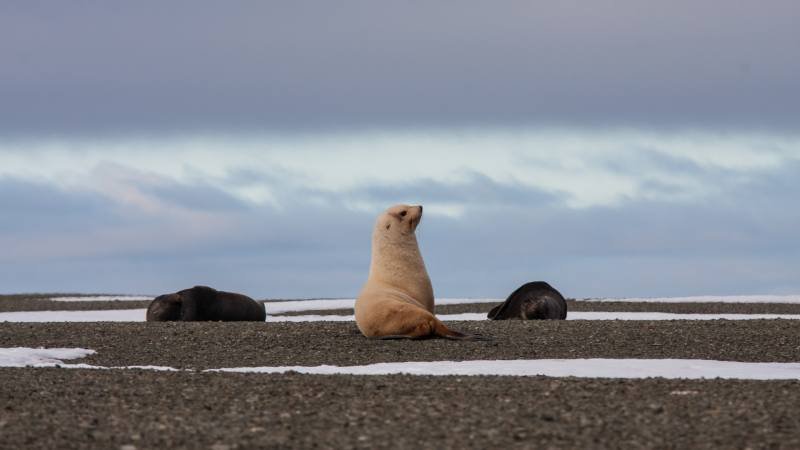
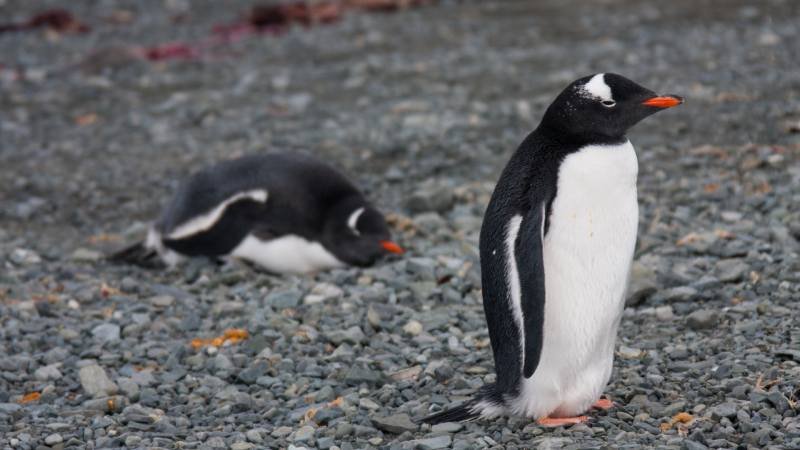
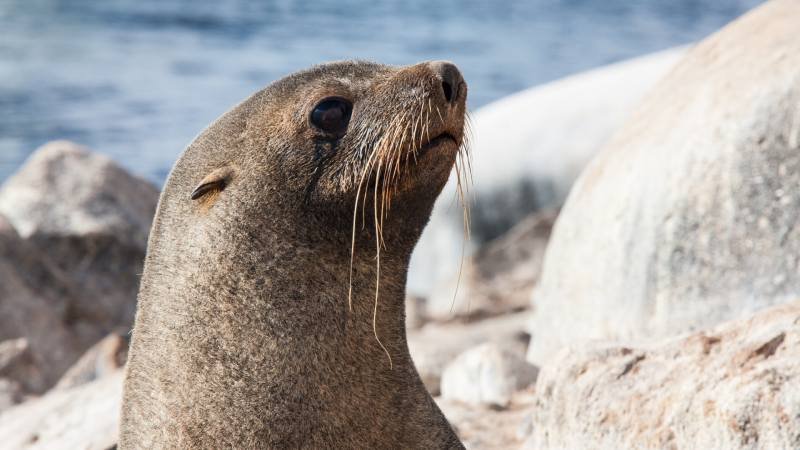
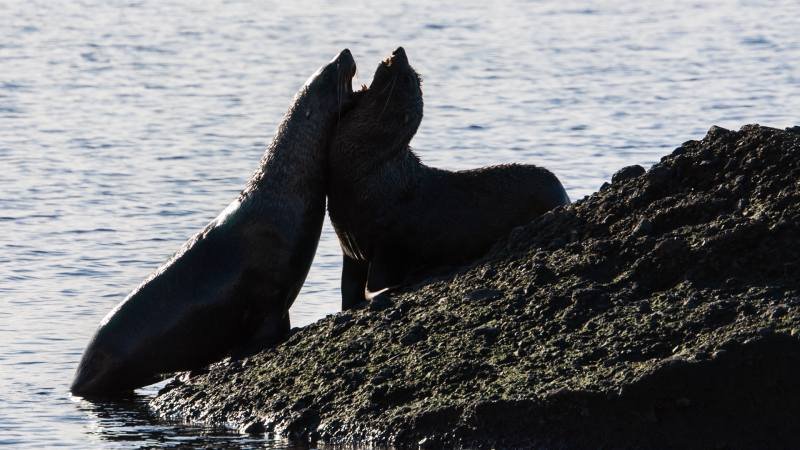
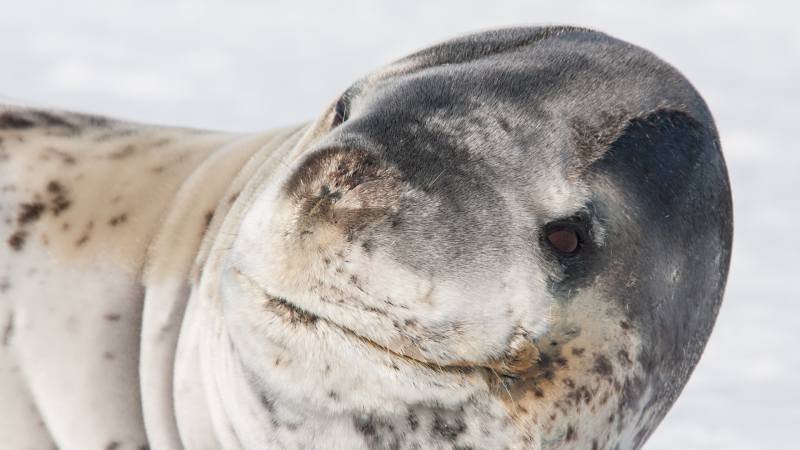
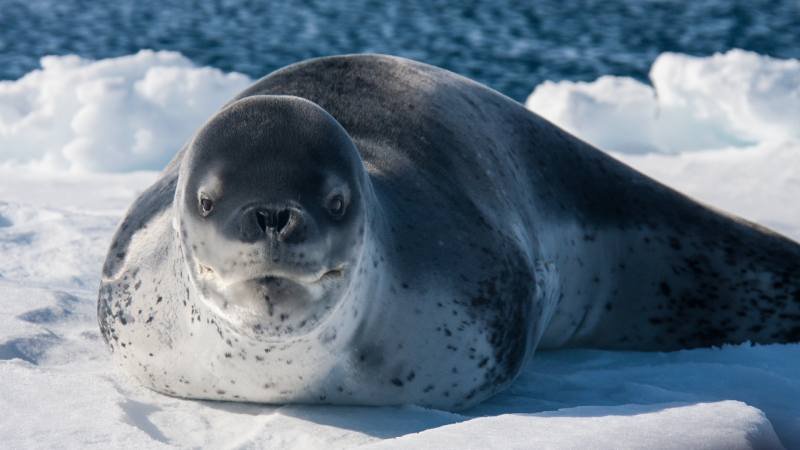
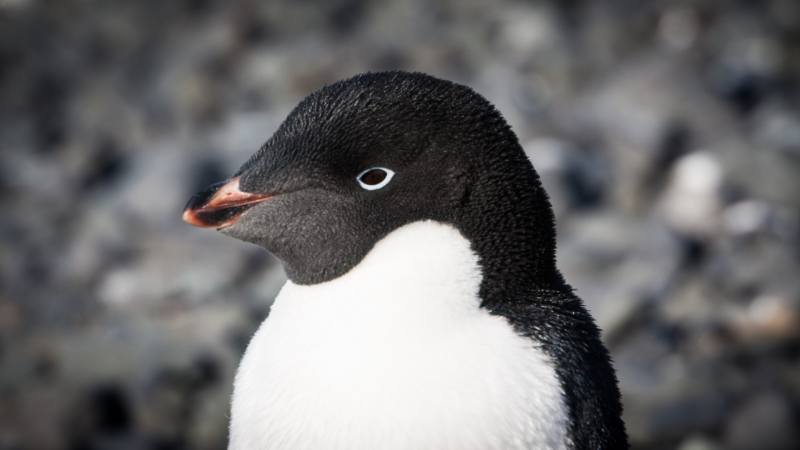
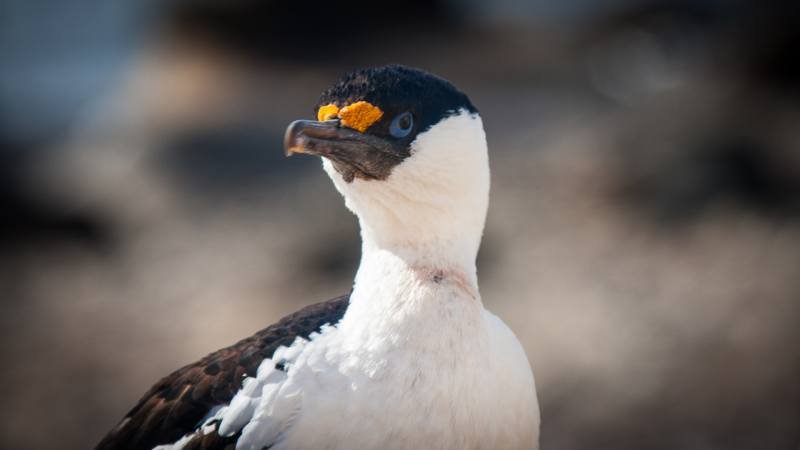
It was late enough in the season to get stuck in pack ice, as the temperature plummeted and our eyes narrowed against freezing winds. Most newborn life had already headed north for the winter so only a few of the hardiest species remained. They don’t see many humans, so the vast majority were trusting enough to get up close and personal with.
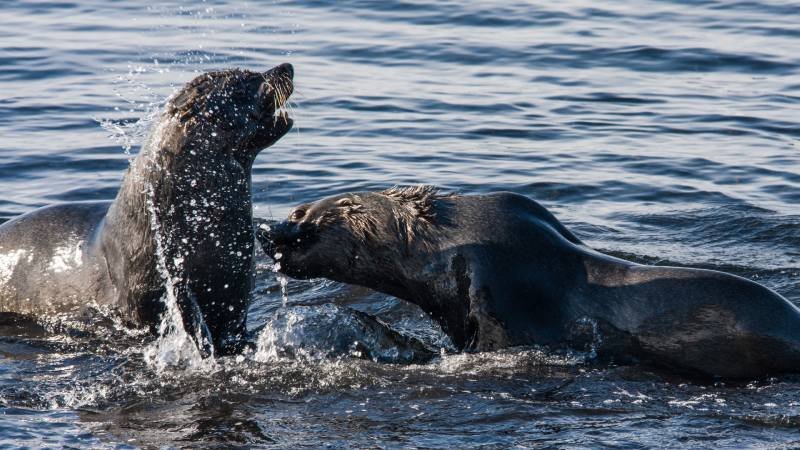
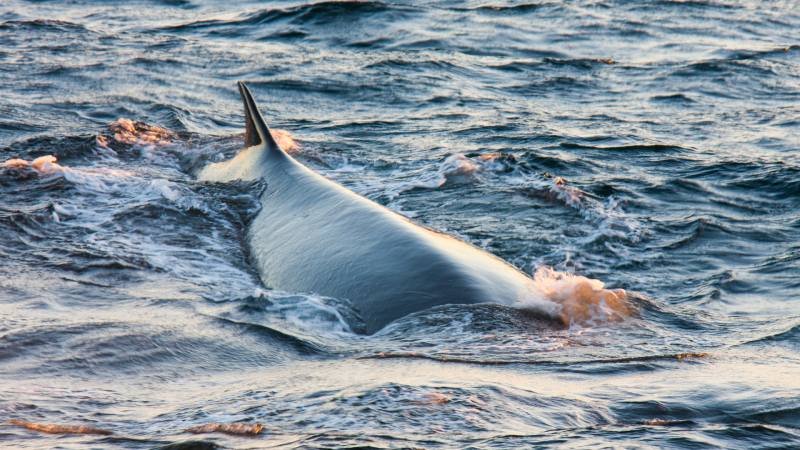
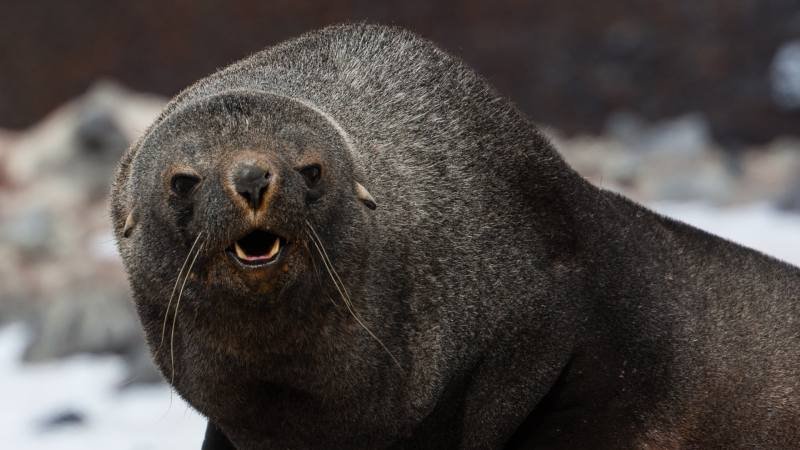
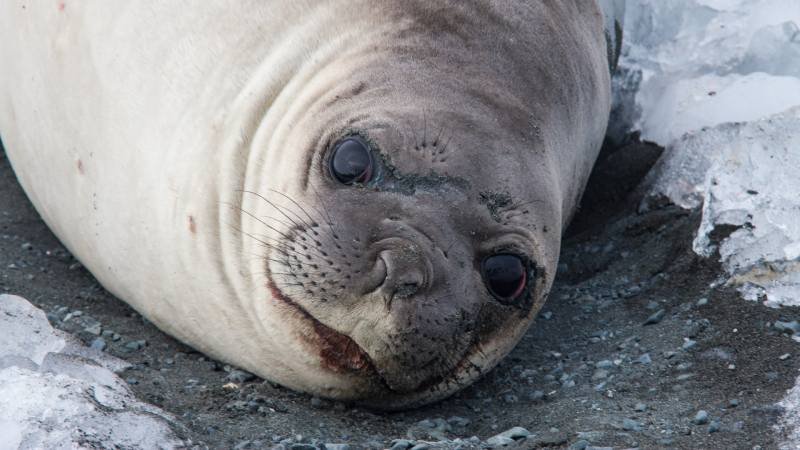
Here is a glimpse of some of the wildlife we saw as Antarctica approached winter that year.
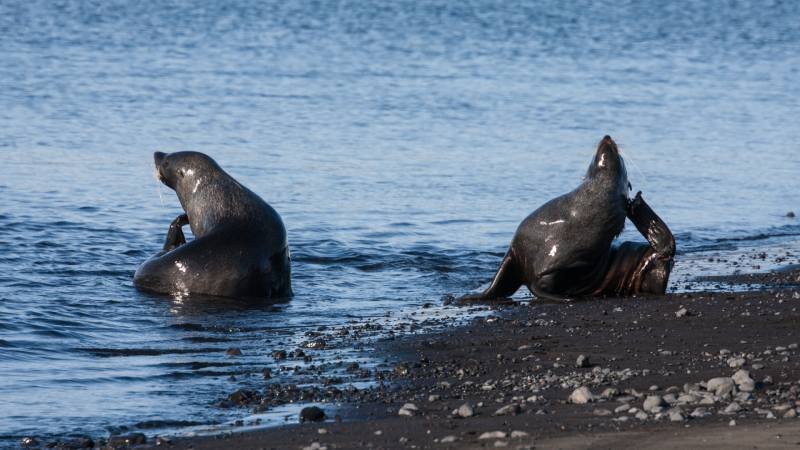
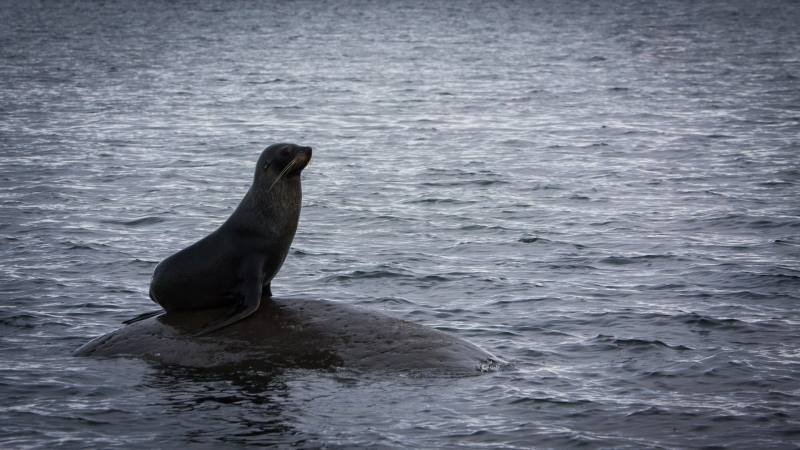
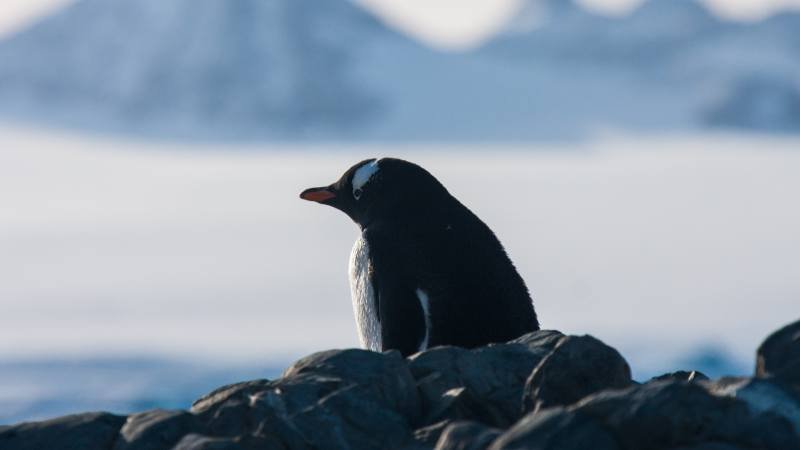
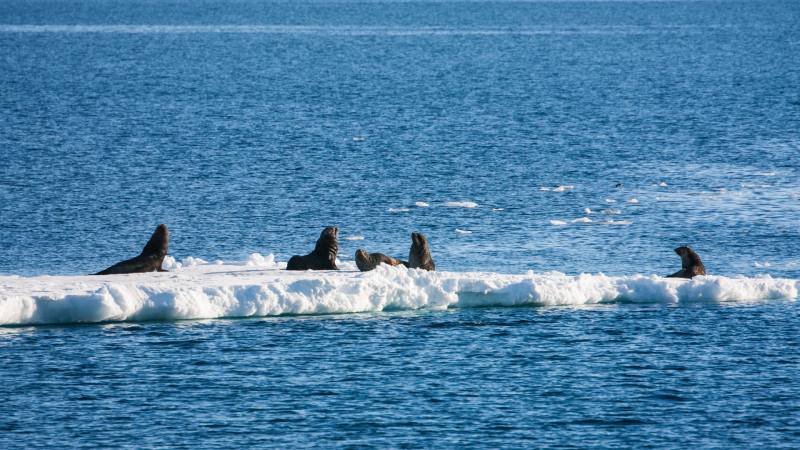
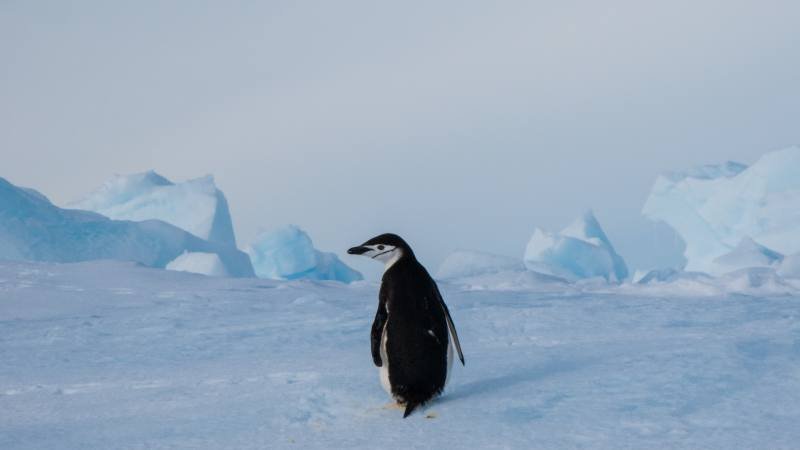
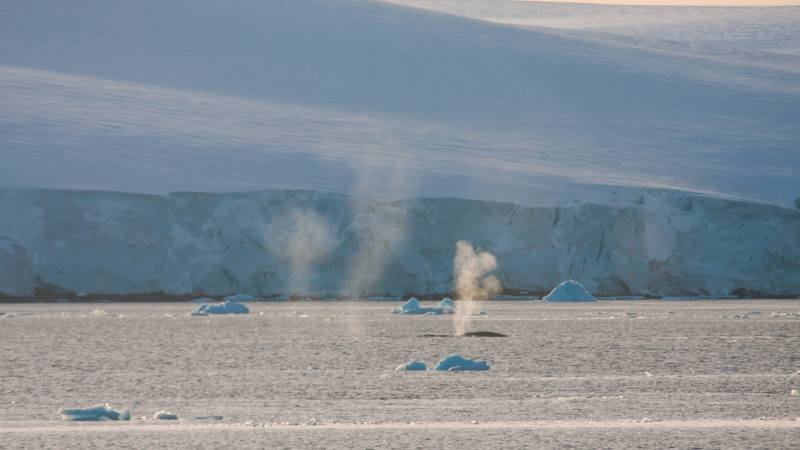
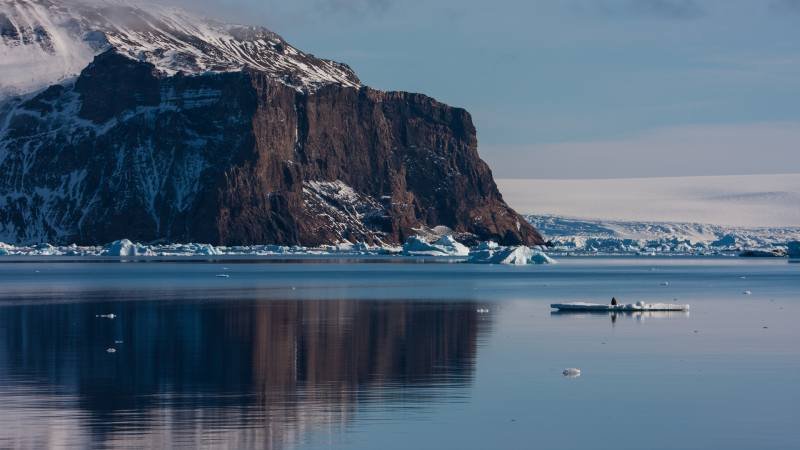
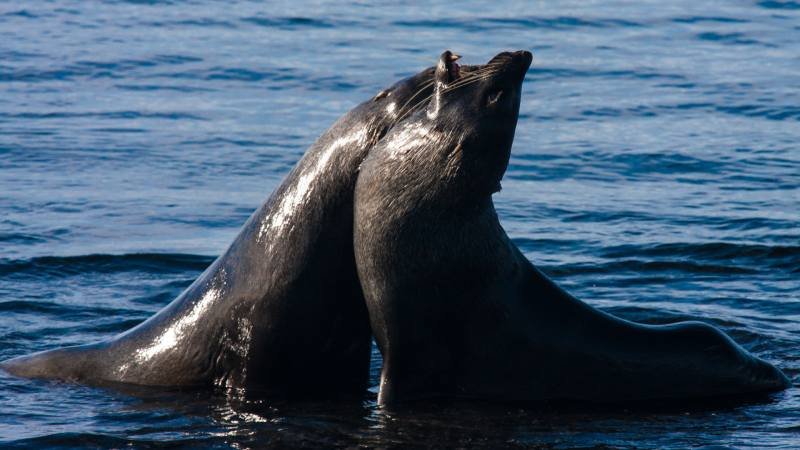
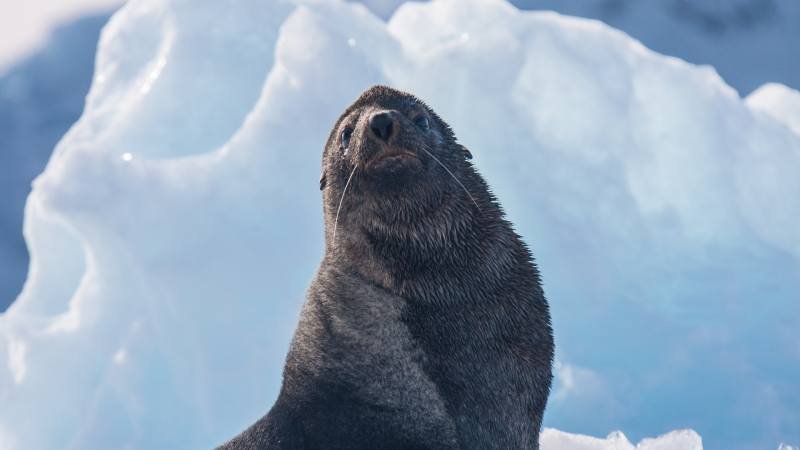
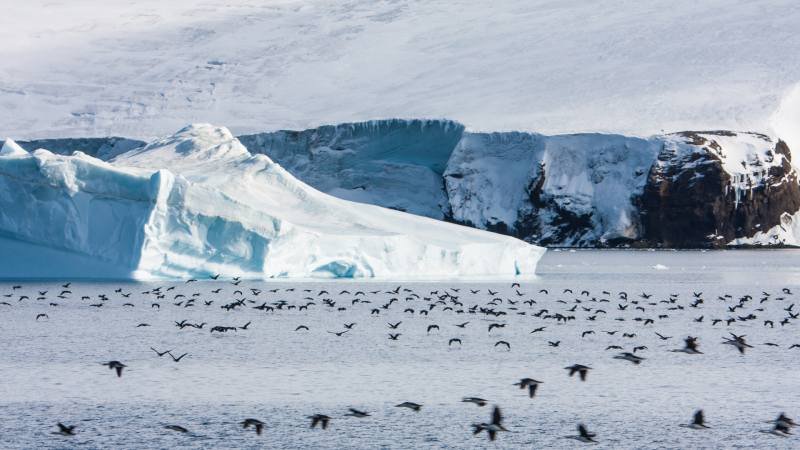
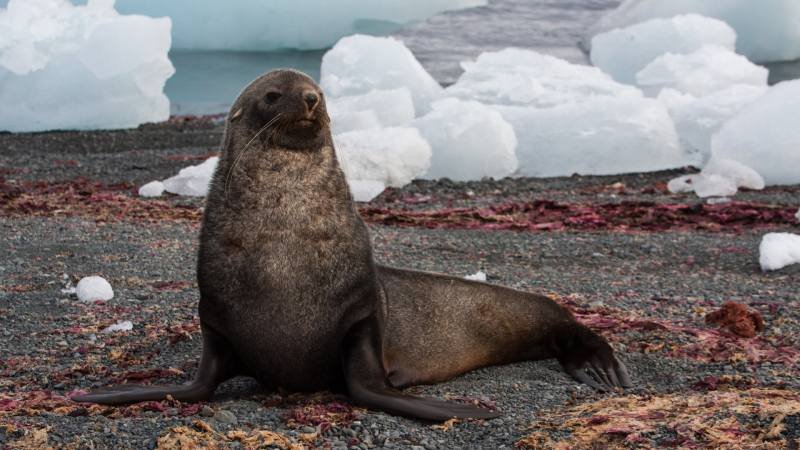
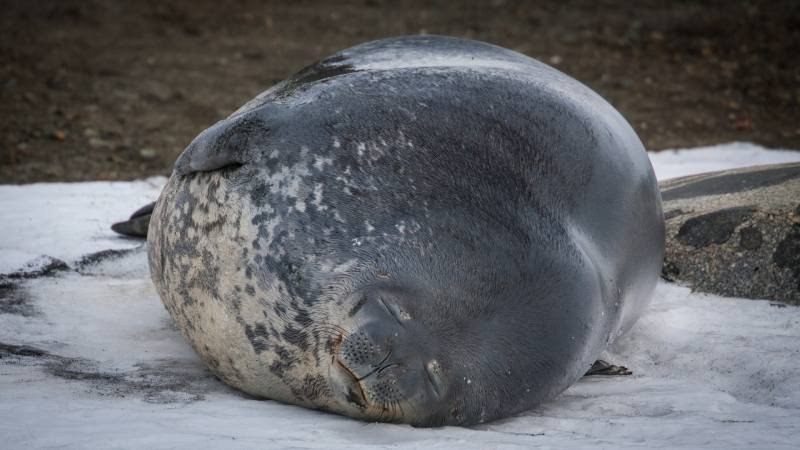

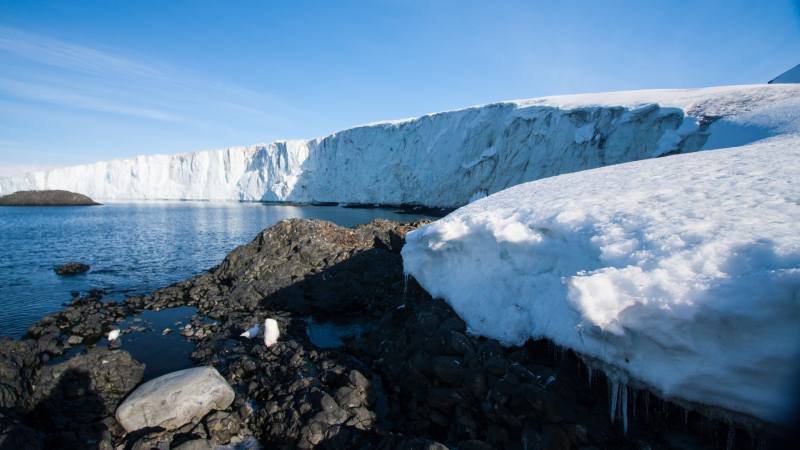
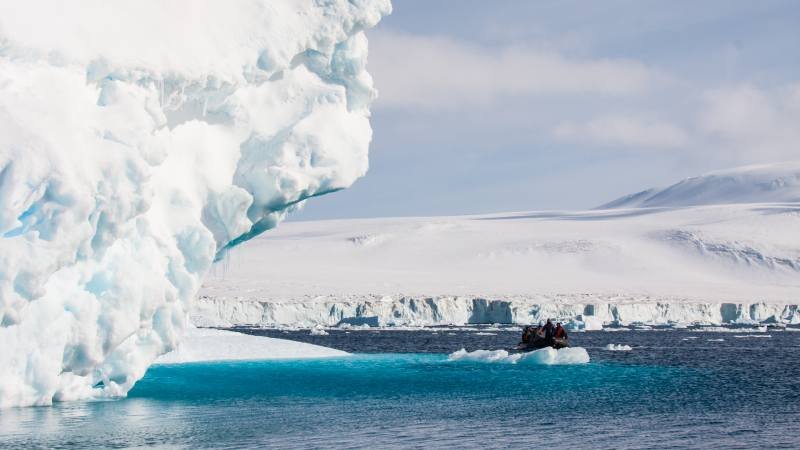
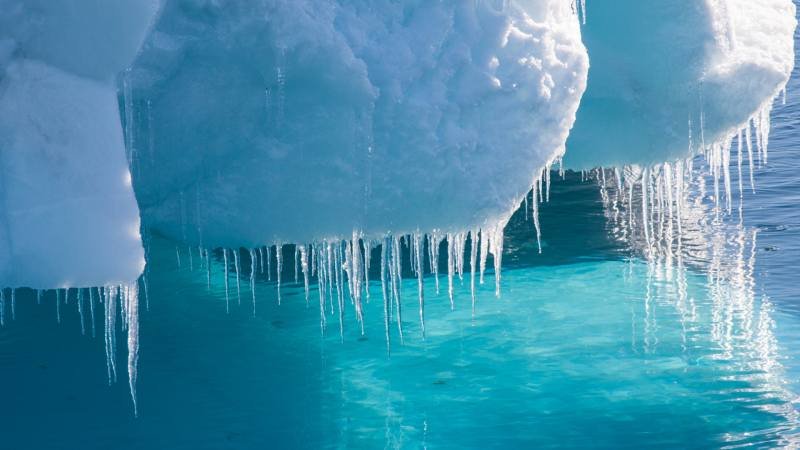
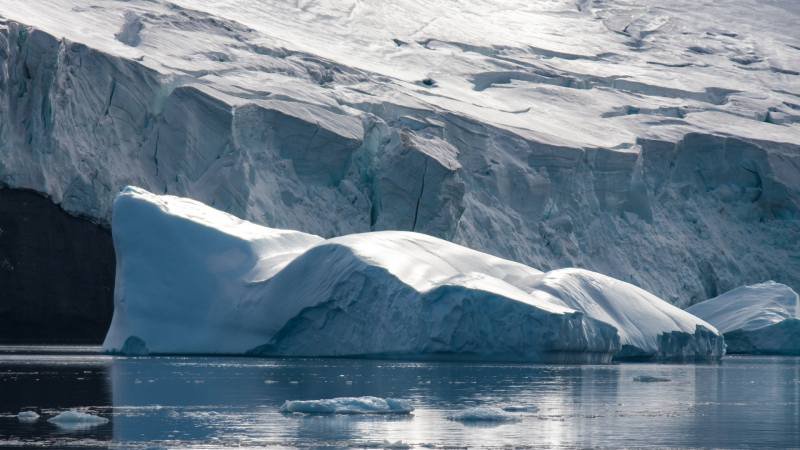
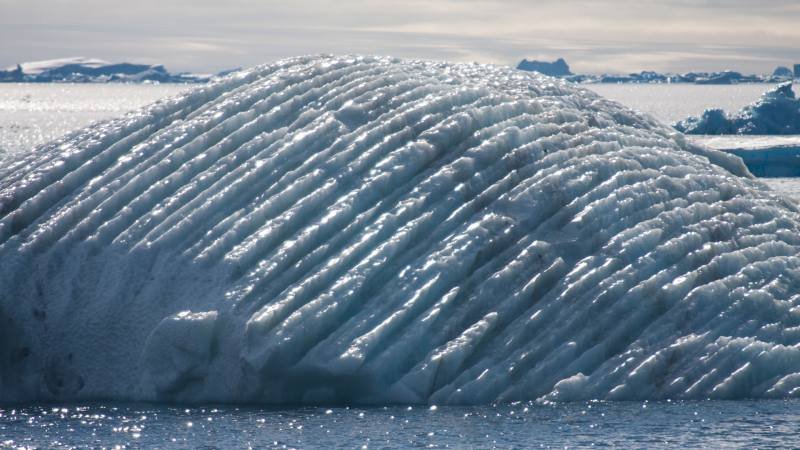
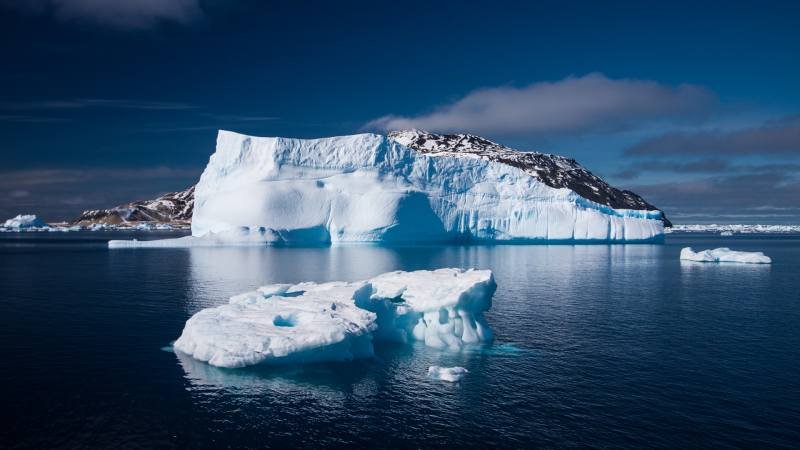
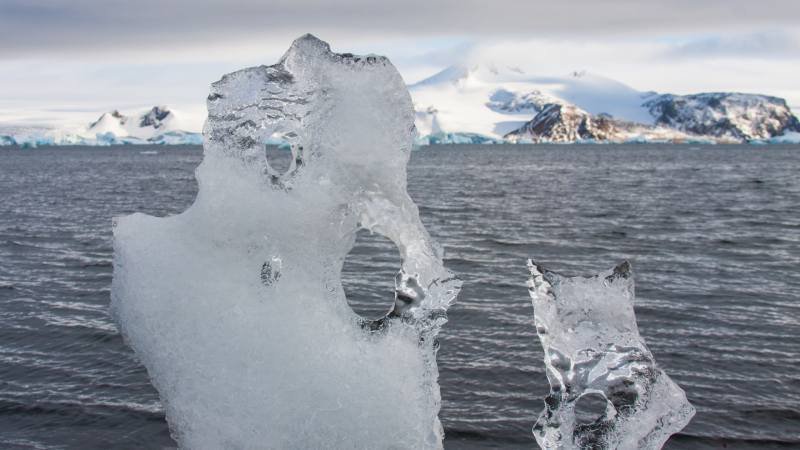
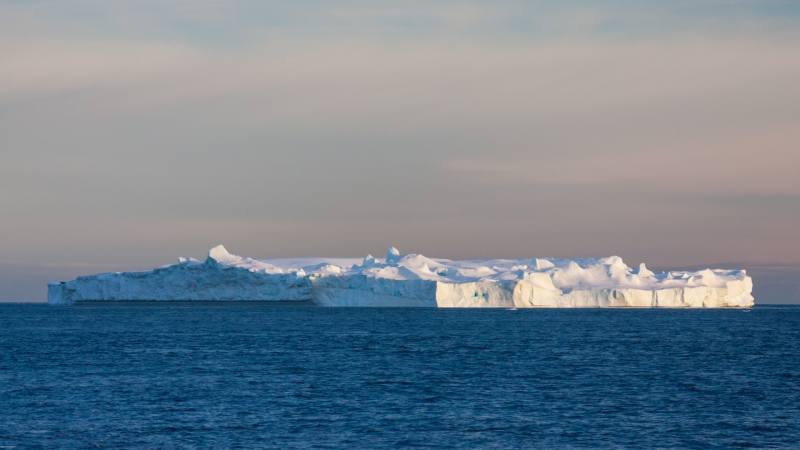
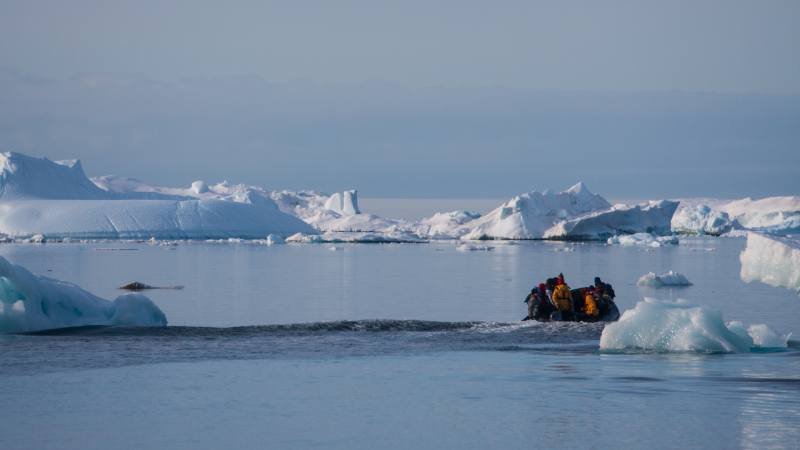
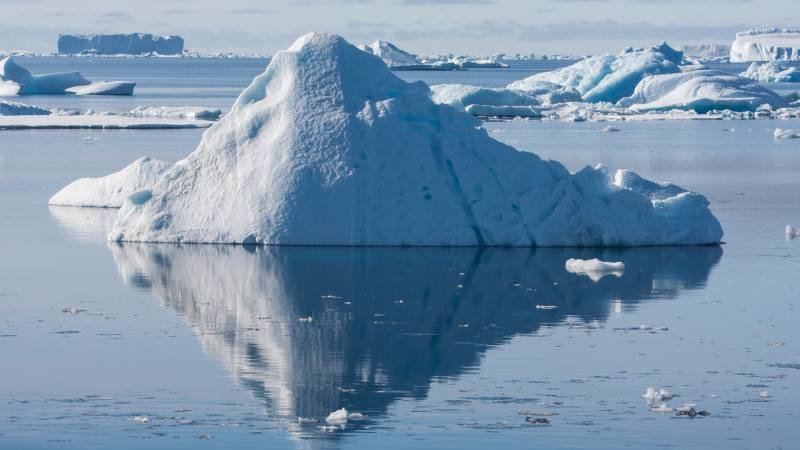
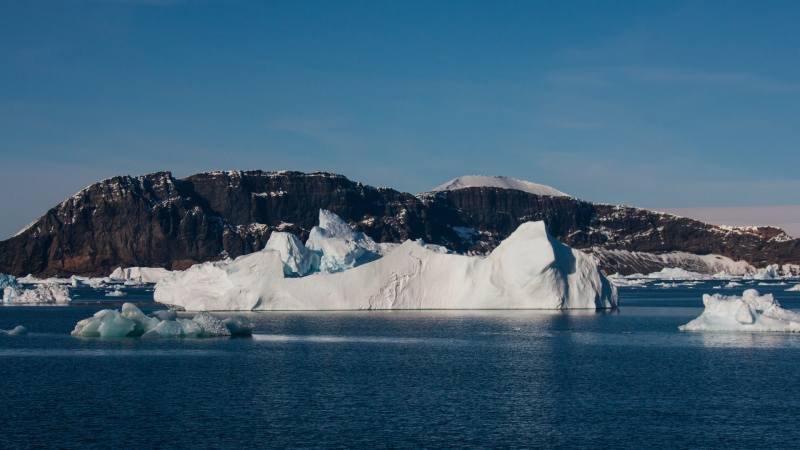
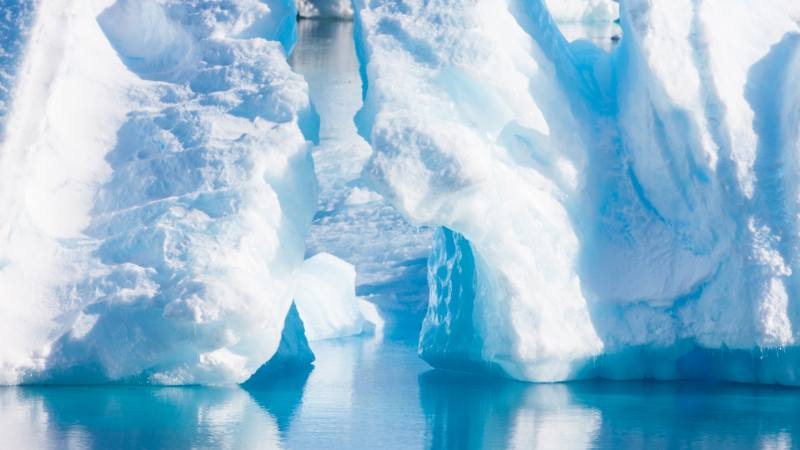
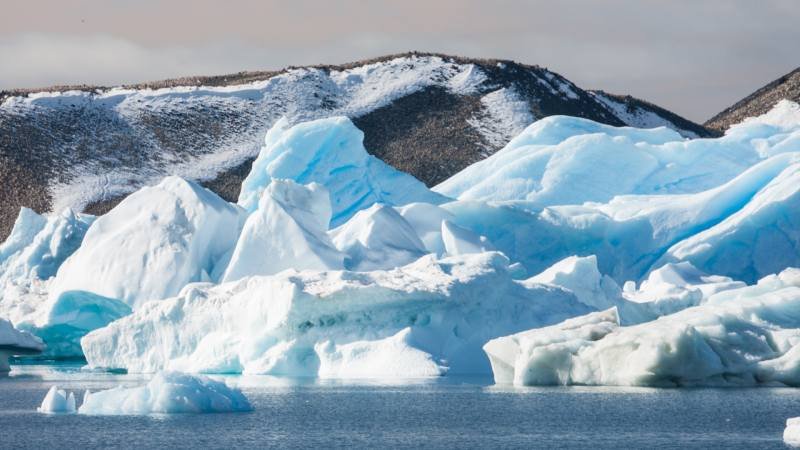
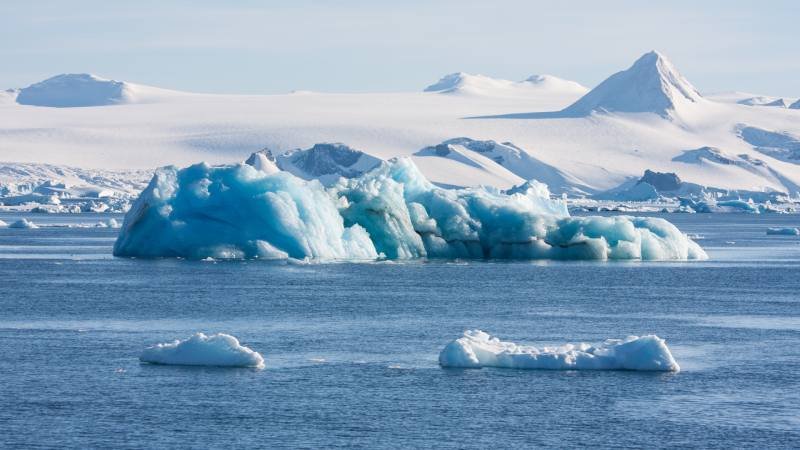
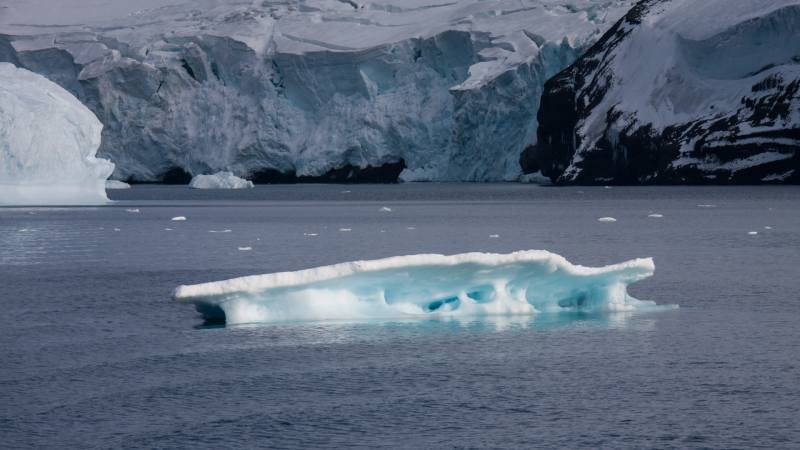
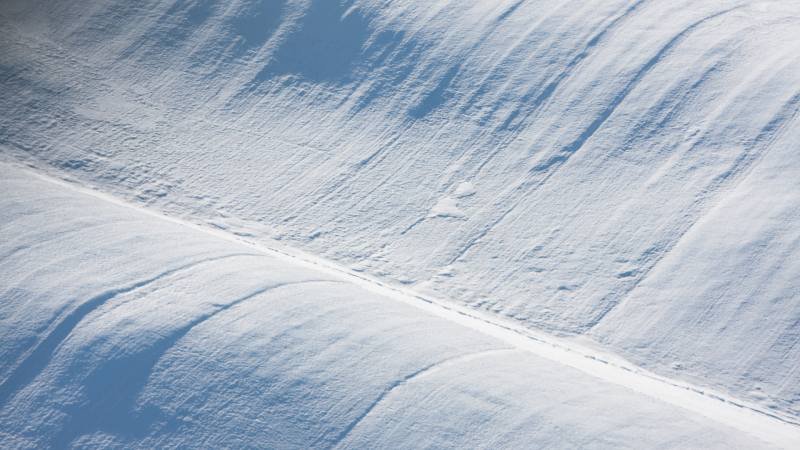
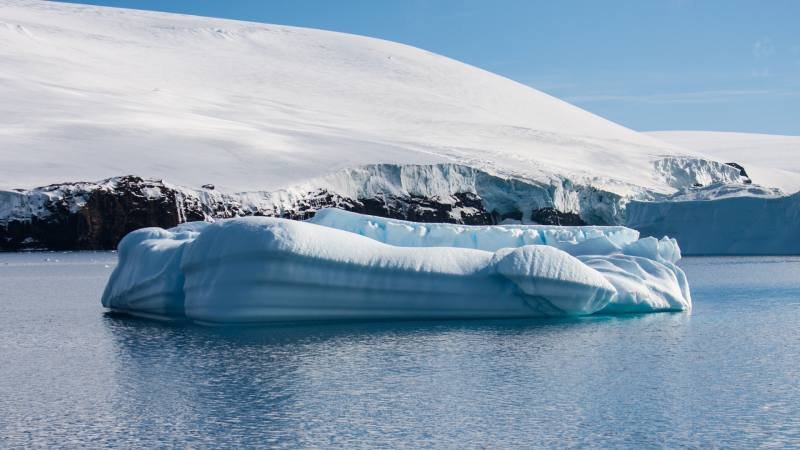
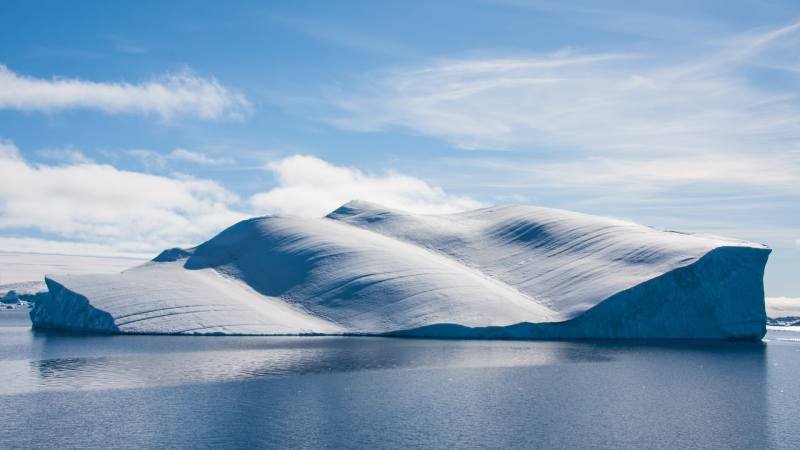
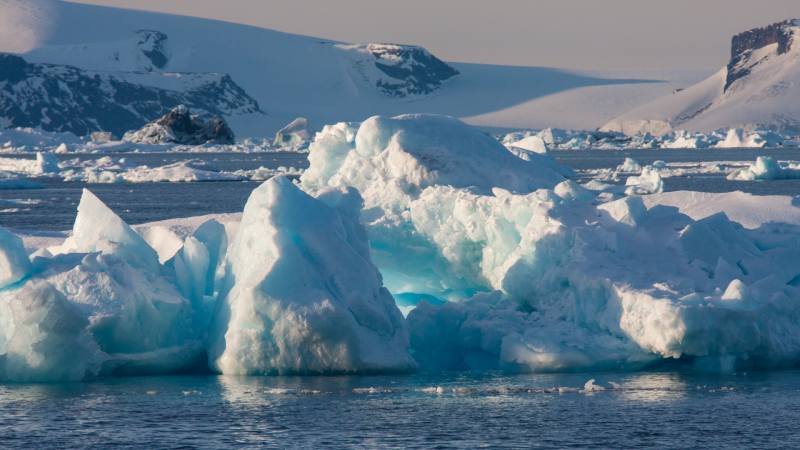
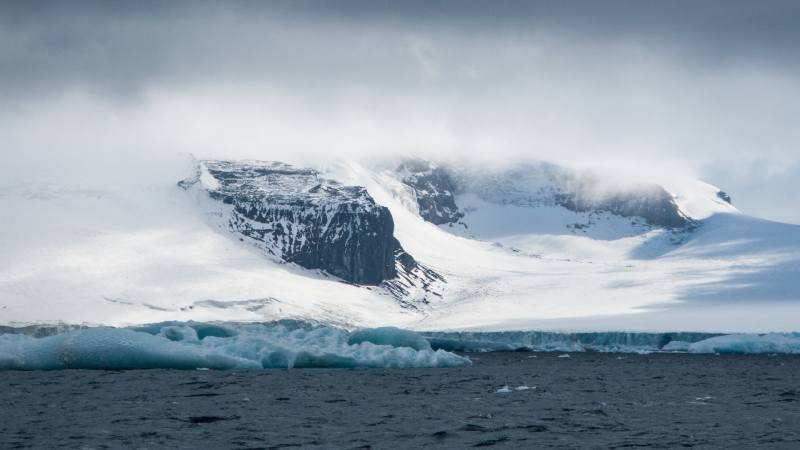
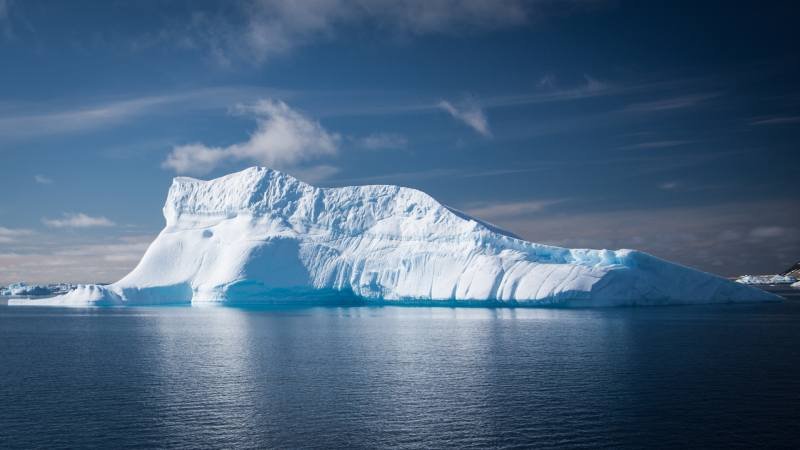
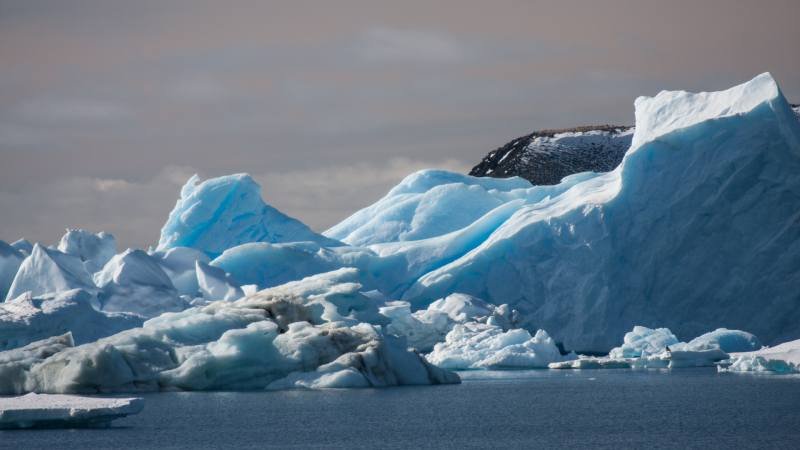
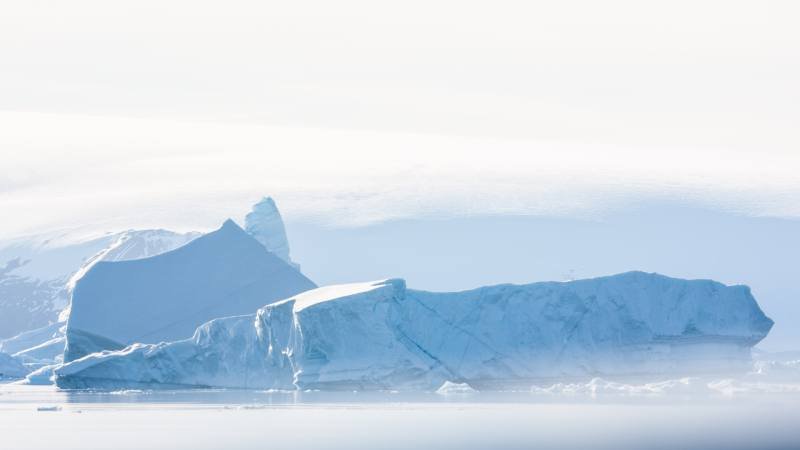
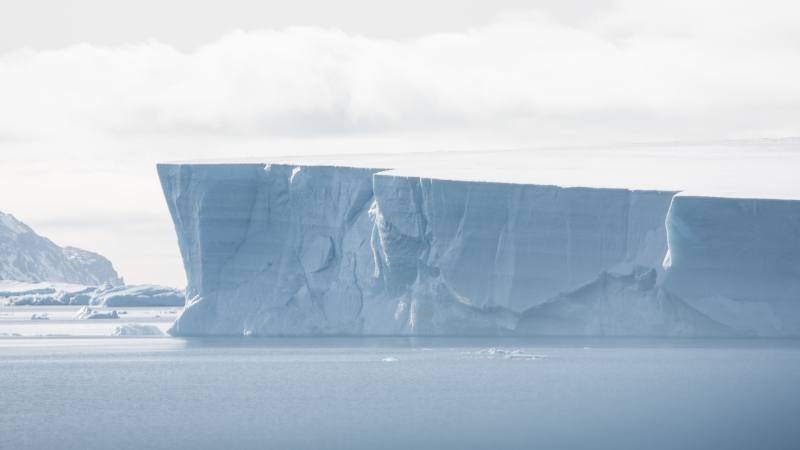
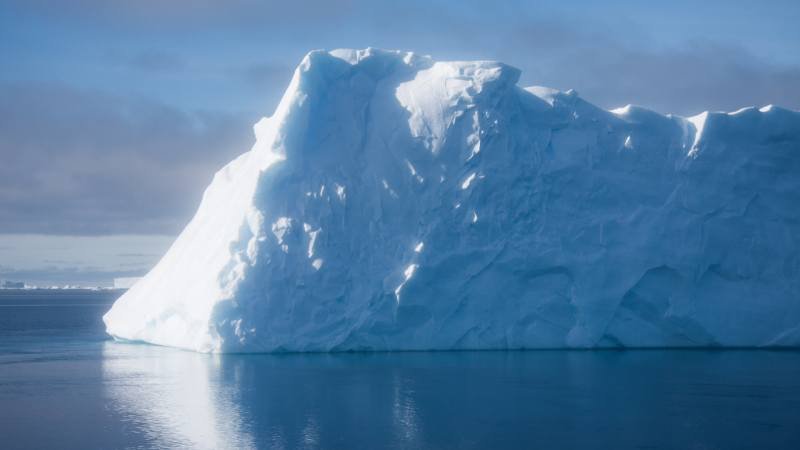
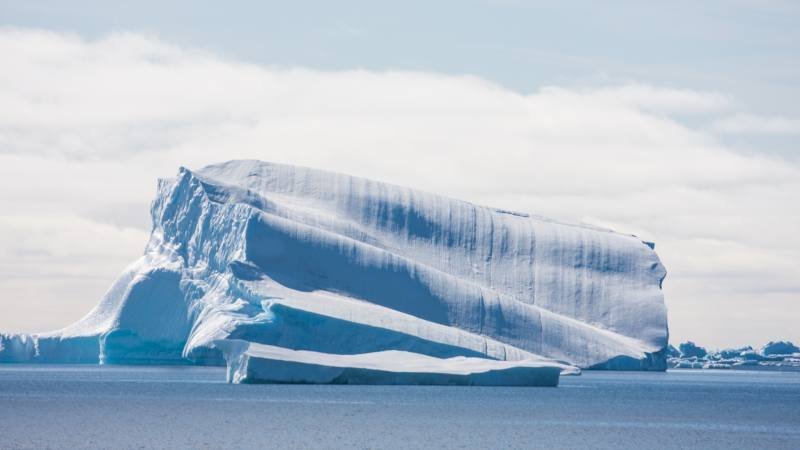
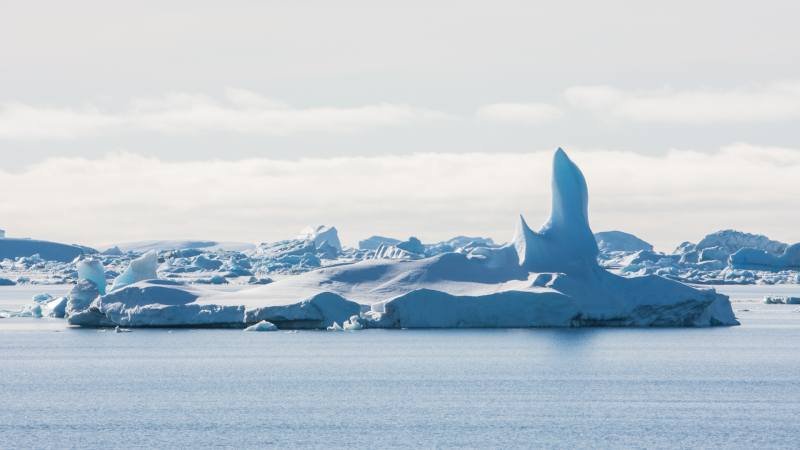
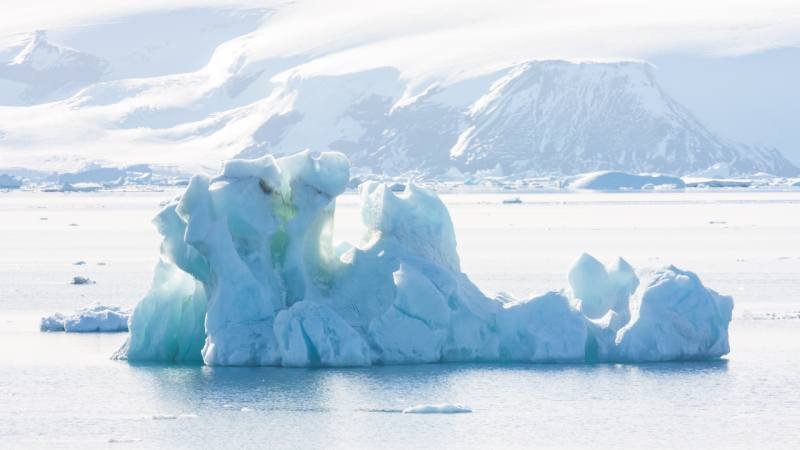
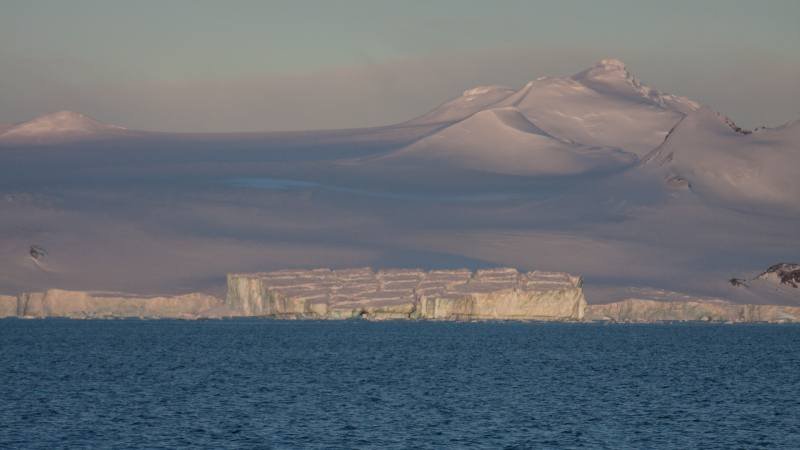
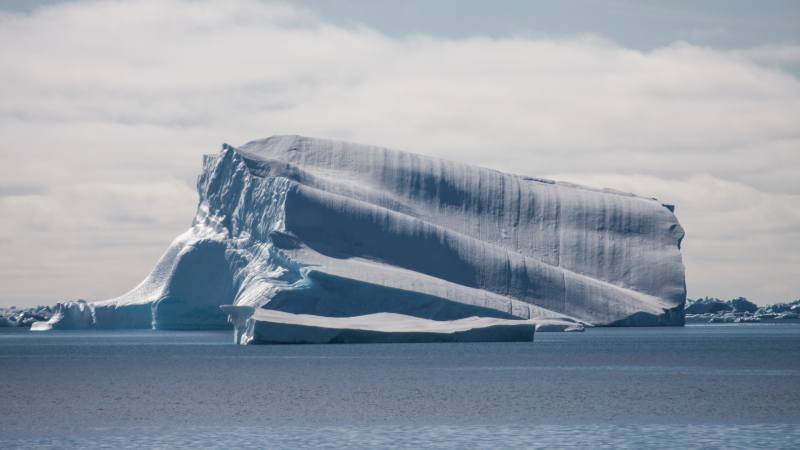
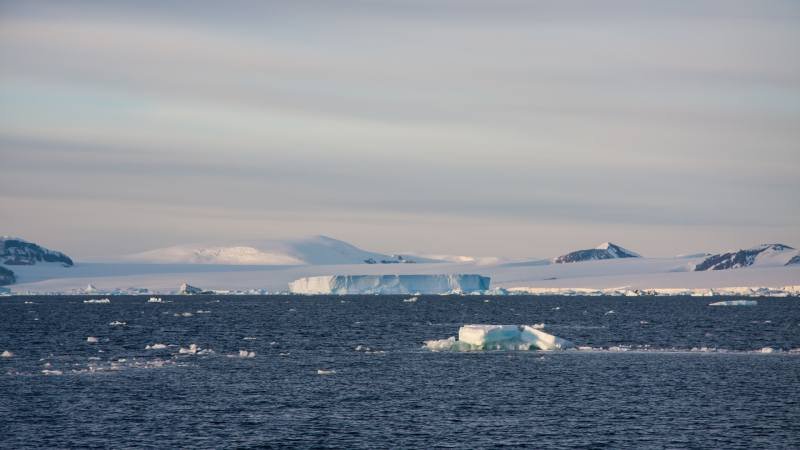
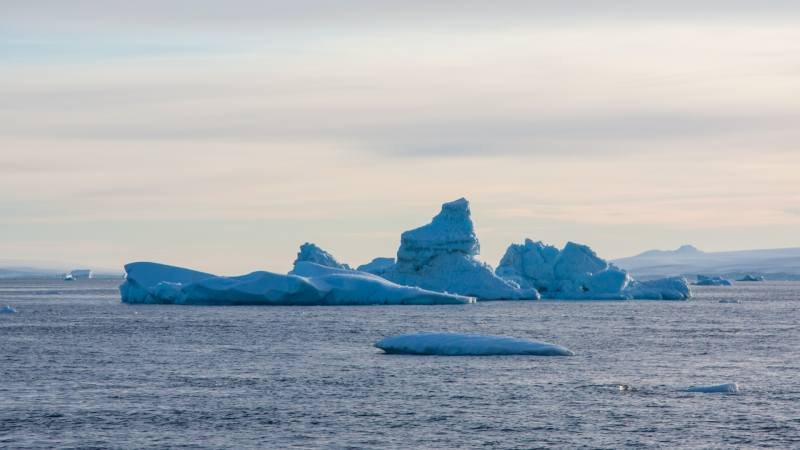
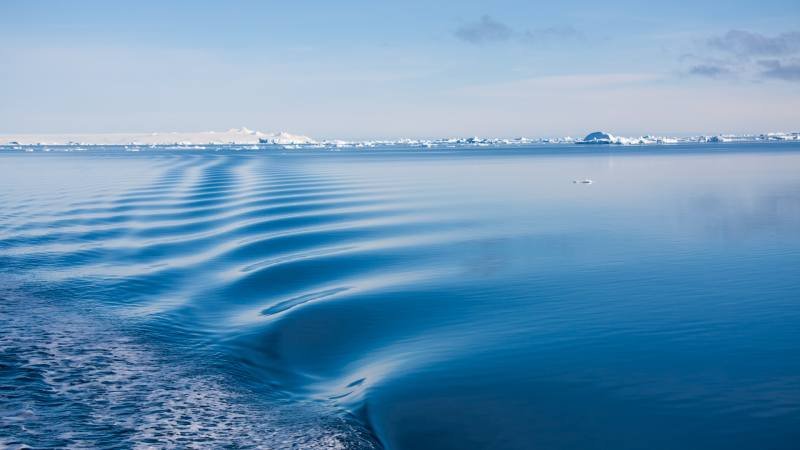
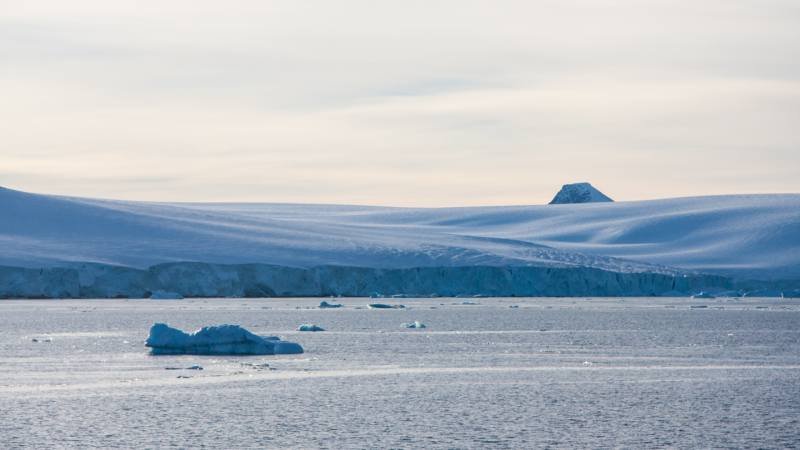
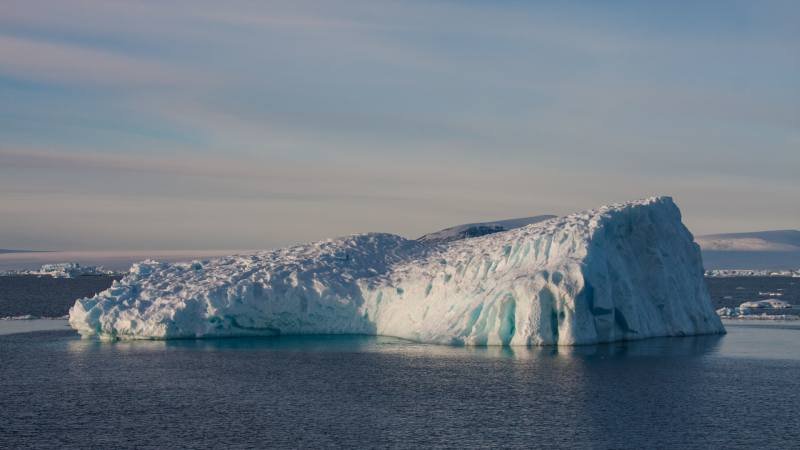
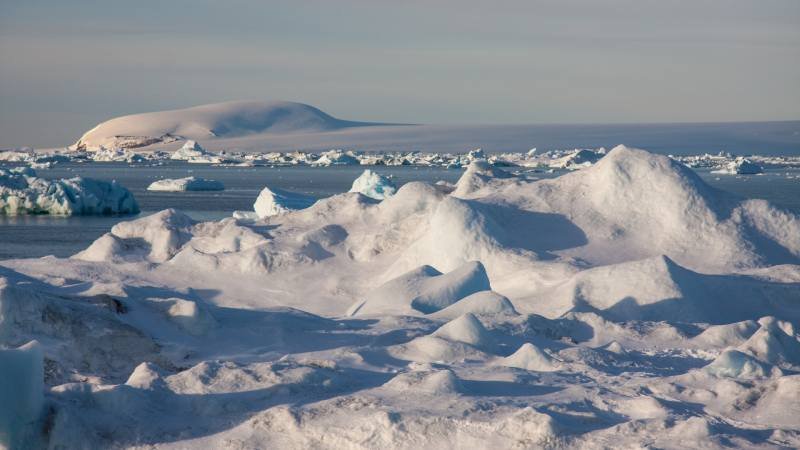
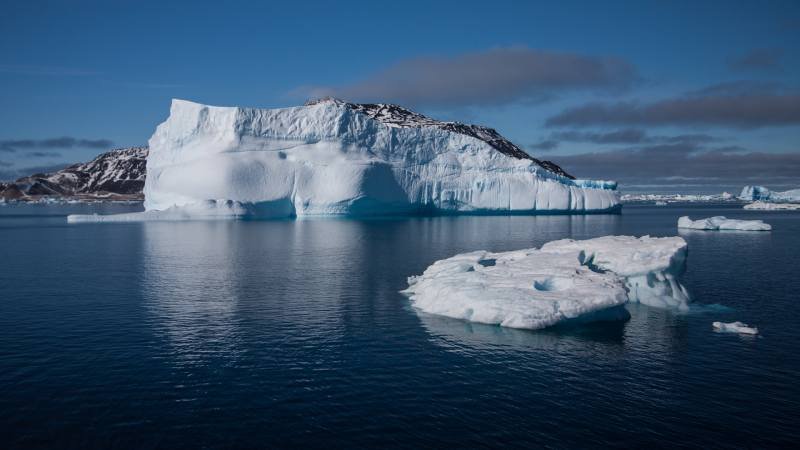
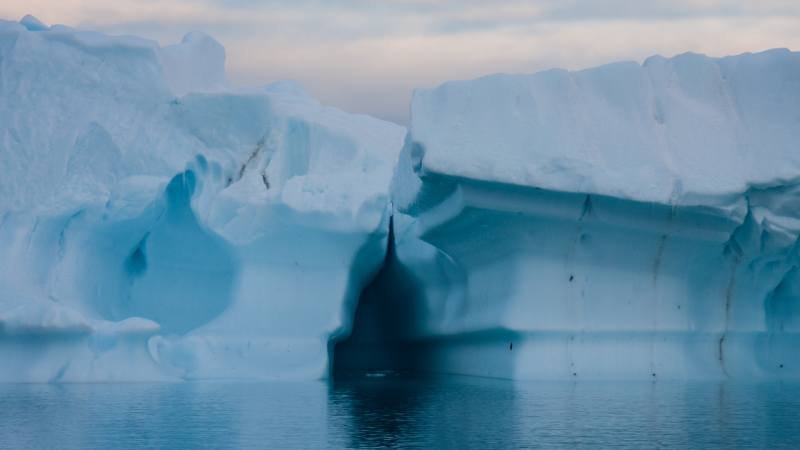
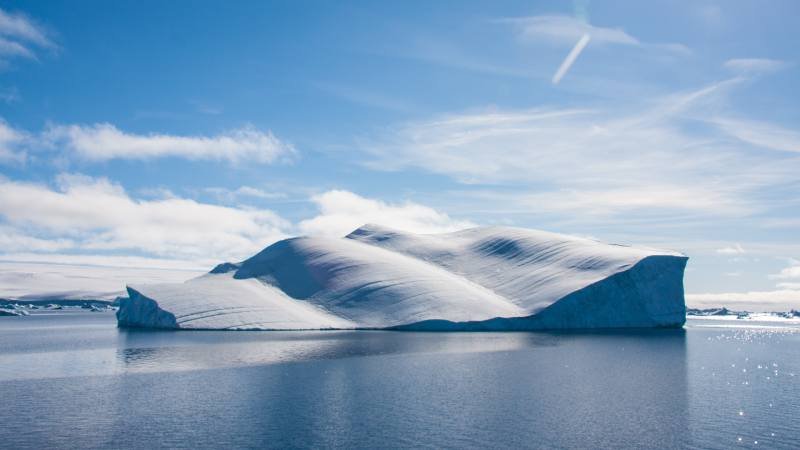
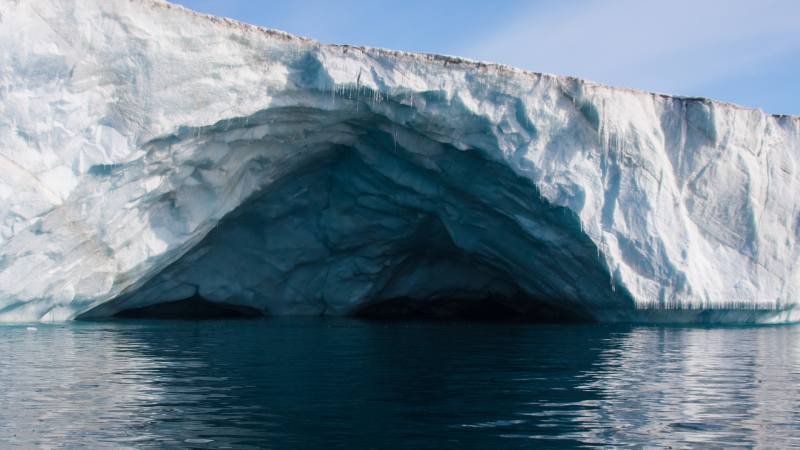
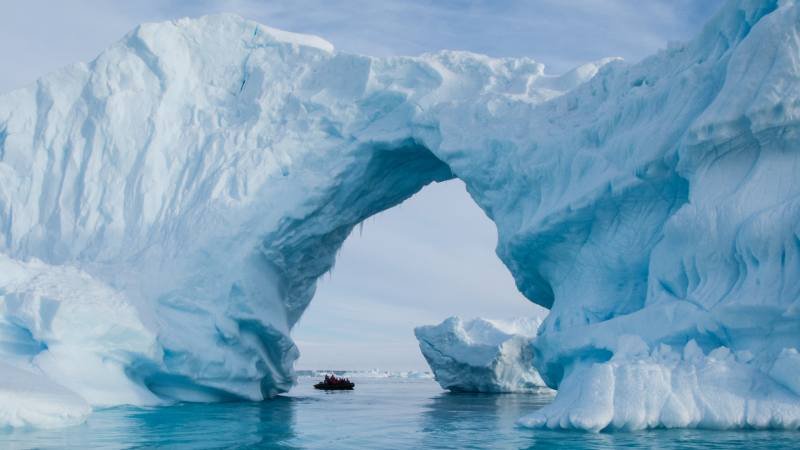
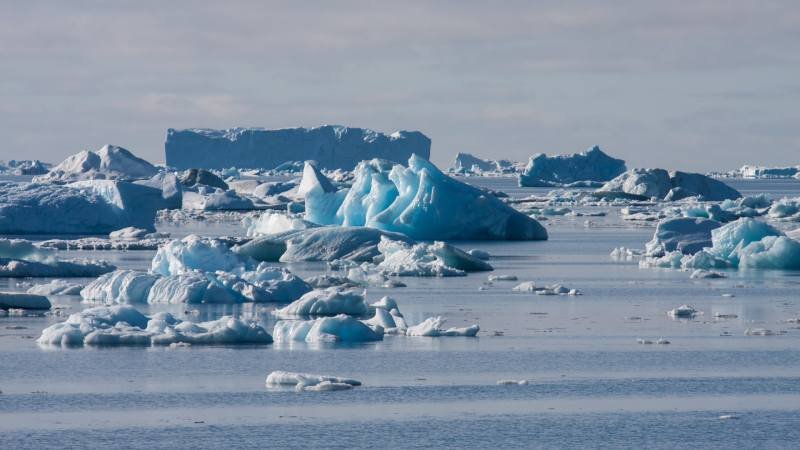
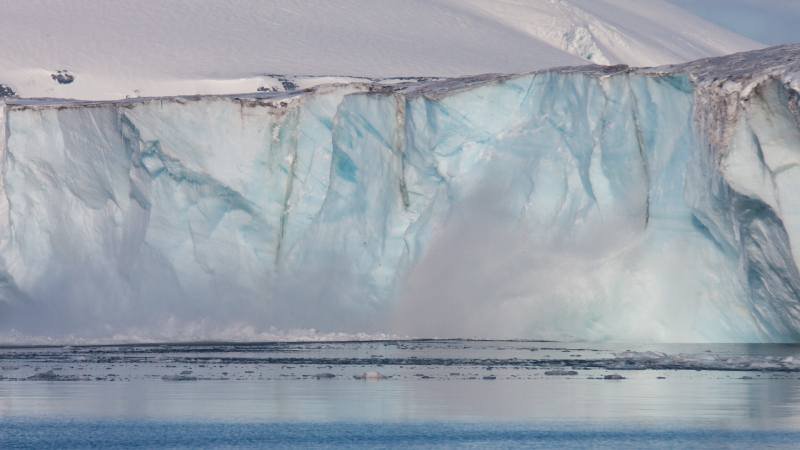
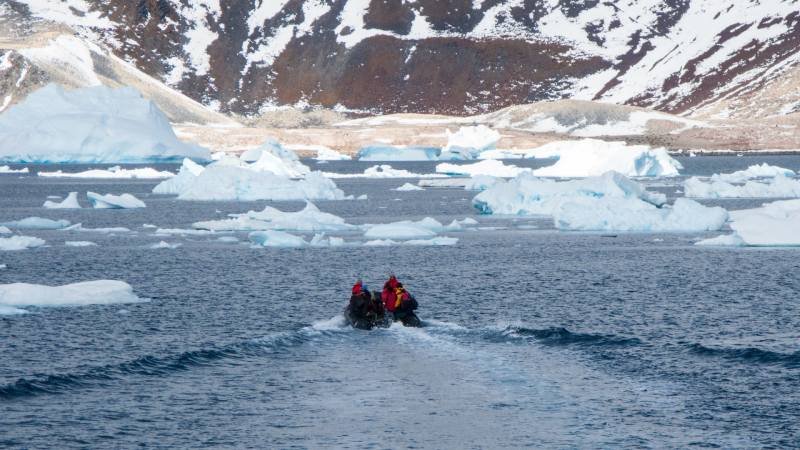
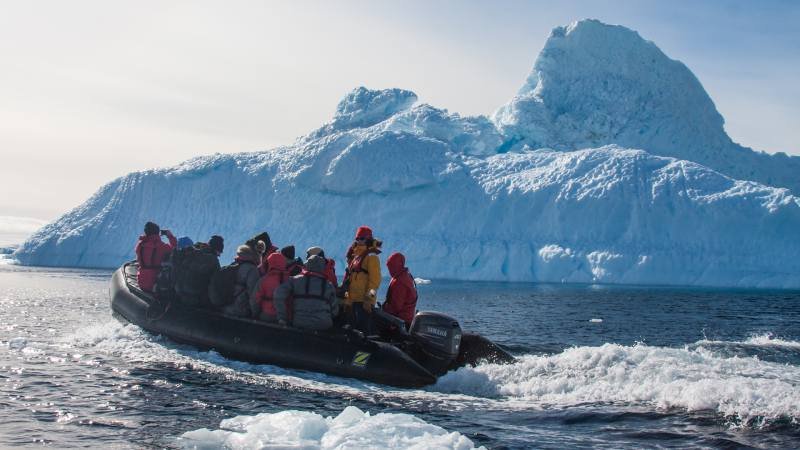
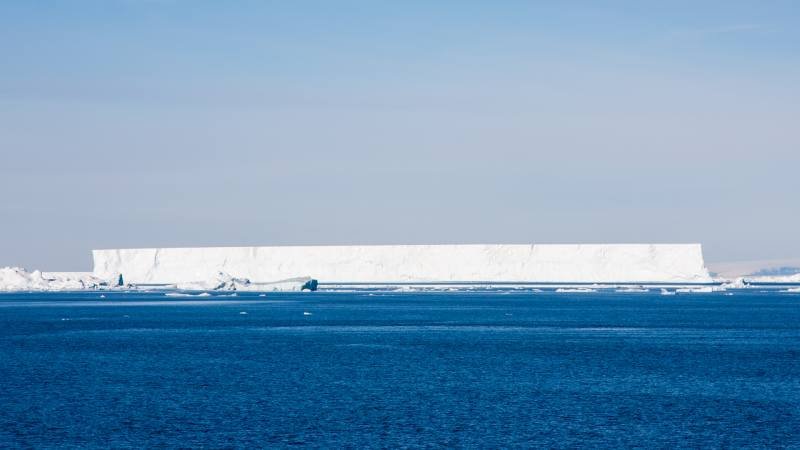
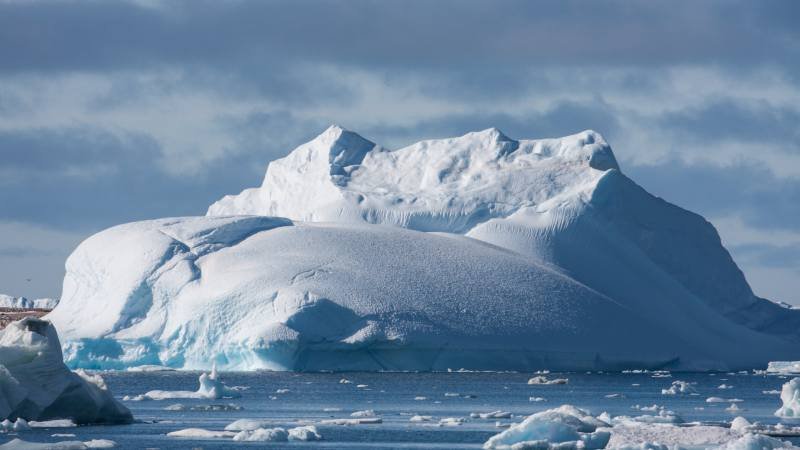
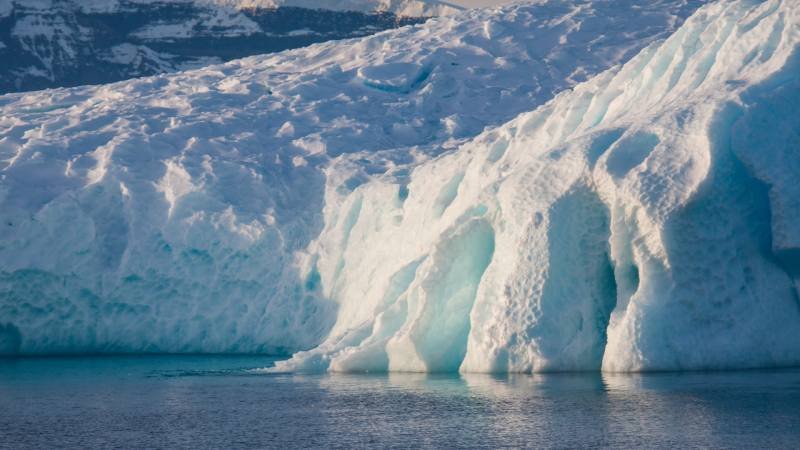
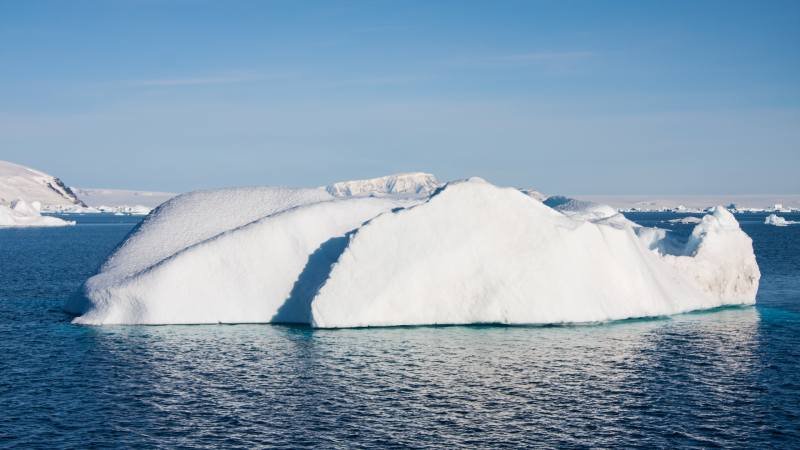
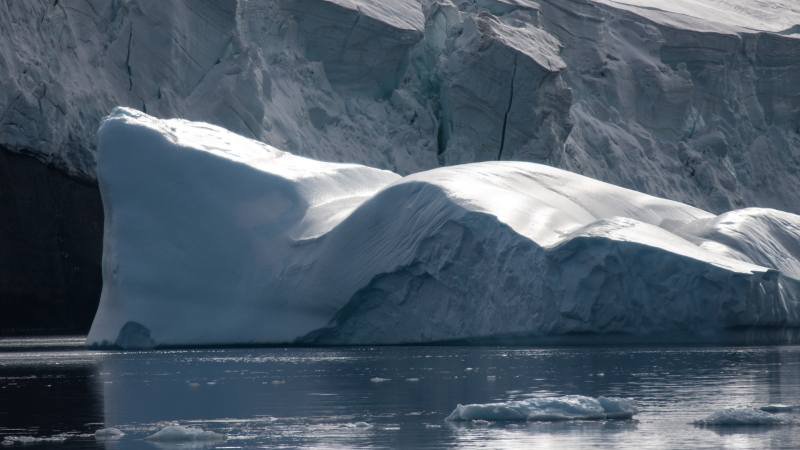
Nothing could have prepared us for the variety of icebergs that we were to see off the coast of the Antarctic Peninsular. Each was a unique moment in time – some would last days, some months, some years and all were beautiful and impressive in their own right.
Several were the size and shape of department stores with smooth sides and sharp corners, while others were grooved and gnarled by water and wind, etched into majestic curves or twisted knots. A few were blinding white and others shimmered turquoise blue in the low sunlight. Lots were pulled fast by invisible currents yet others seemed suspended in calmer waters. Some were translucent as they melted, held captive briefly on remote beaches while others were solid and bobbed just off shore. All were mesmerising.
Here are some photographs that Dave and I took of icebergs around the Antarctic Peninsula.
(Browse our photographs of wildlife in Antarctica)
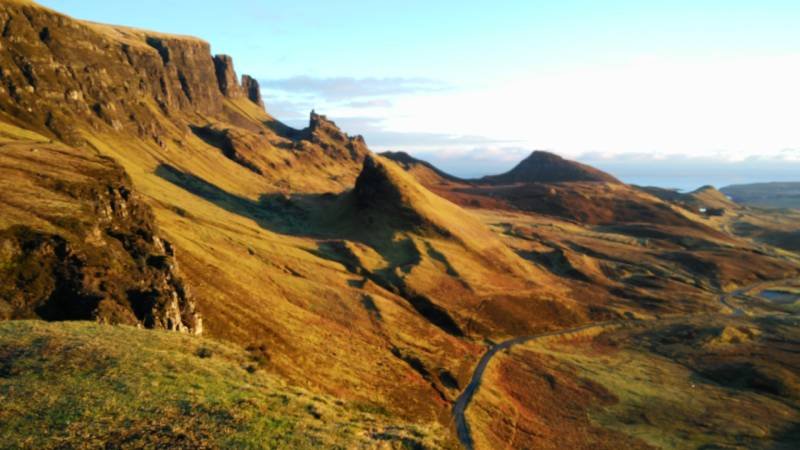
Whenever I’m on the Isle of Skye I make sure I spend some time in The Quiraing, usually very early in the morning before any tourists are around.
The name Quiraing comes from the Old Norse phrase Kví Rand, which means Round Fold – it is thought that locals hid their livestock within the fold from Norse invaders.
Here are some photos I took on my mobile phone of sunrise over The Quiraing, Isle of Skye.
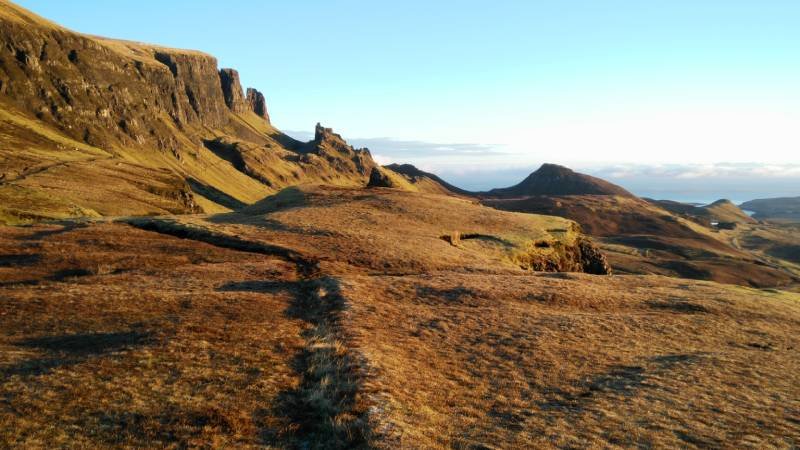
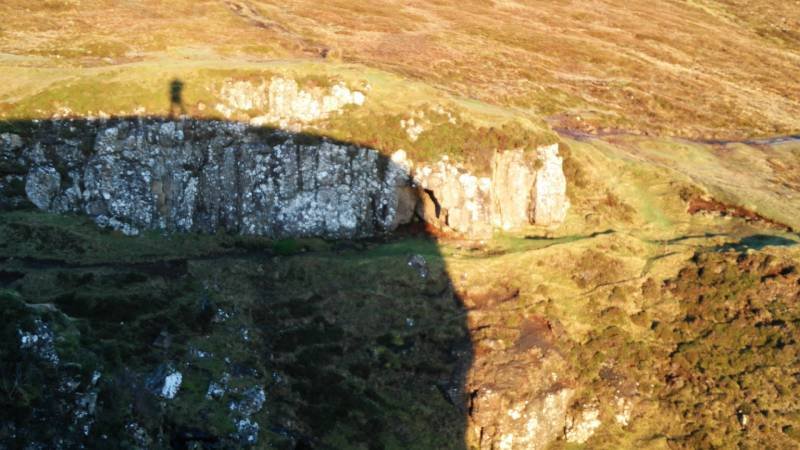
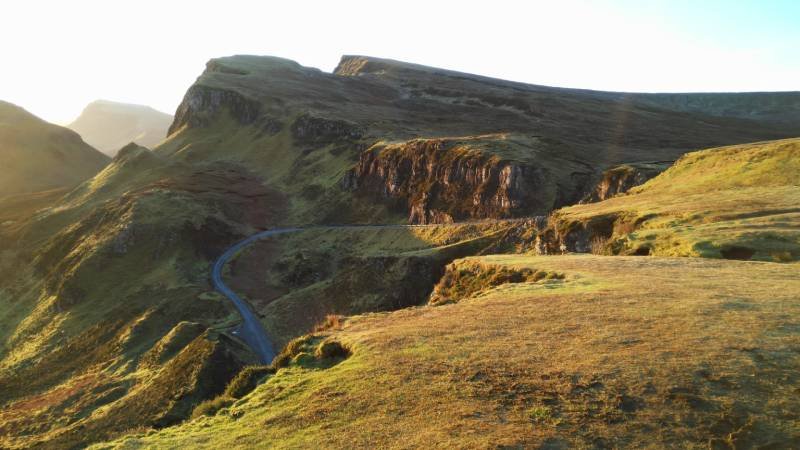
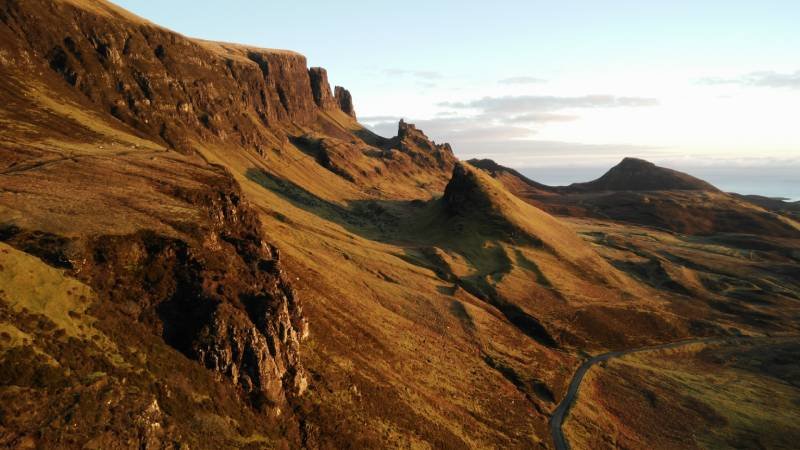
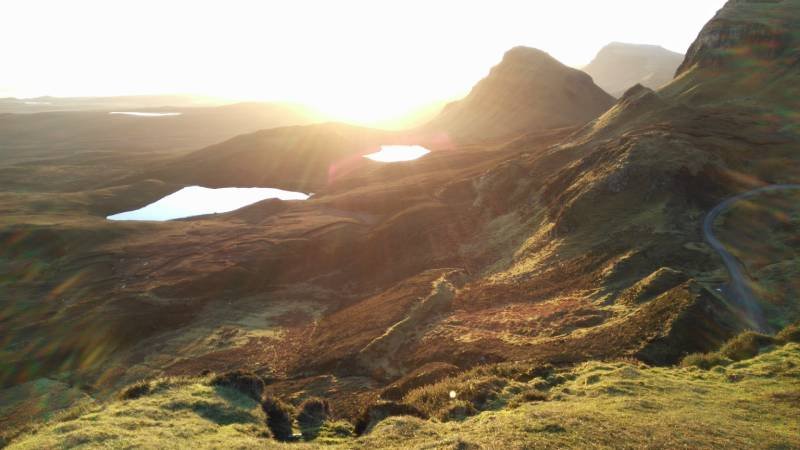
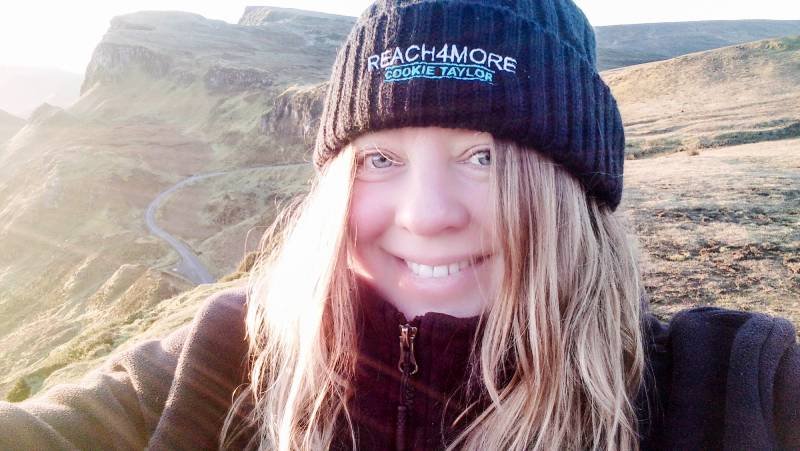
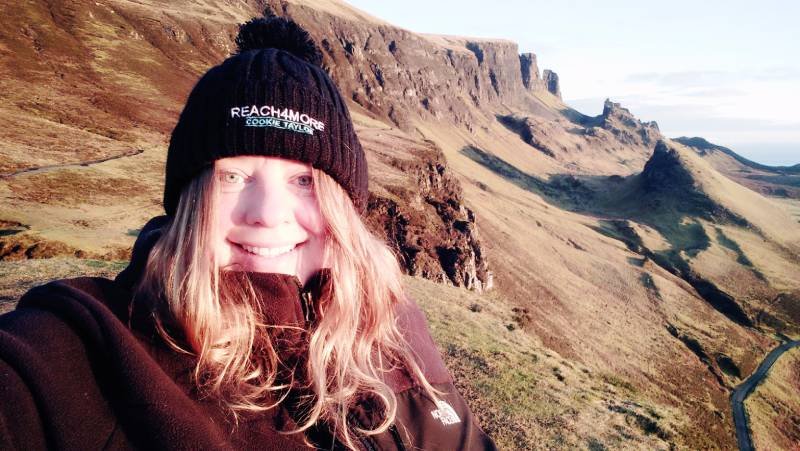
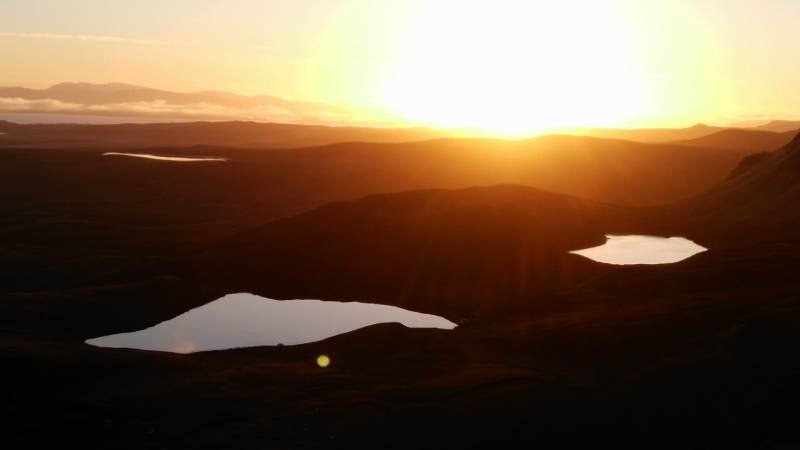
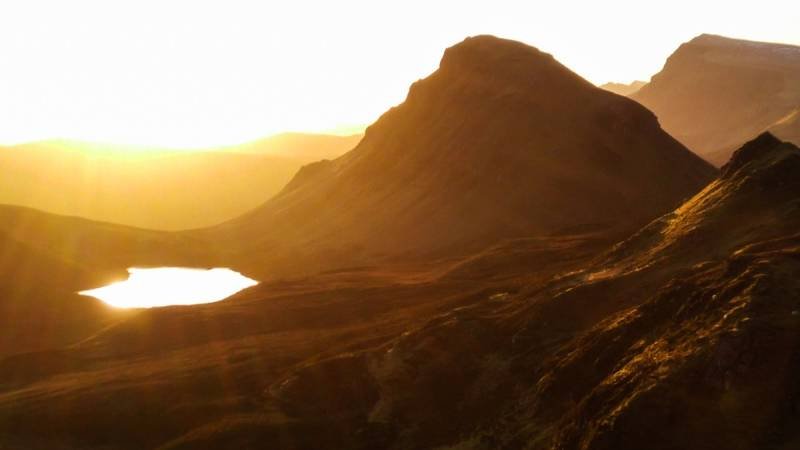
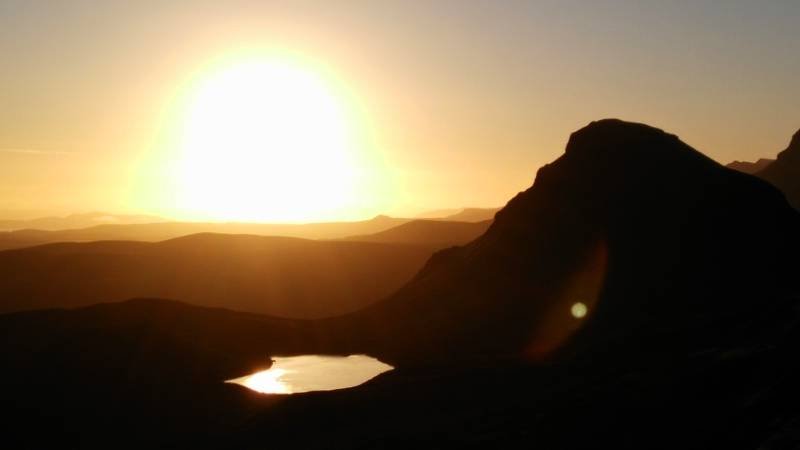
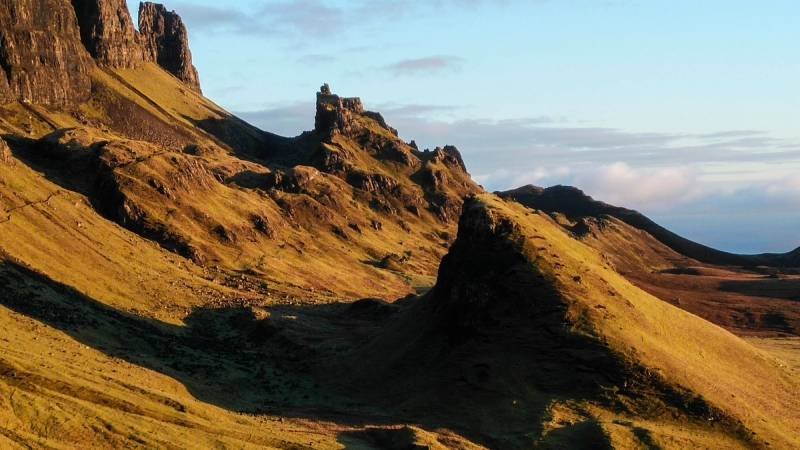
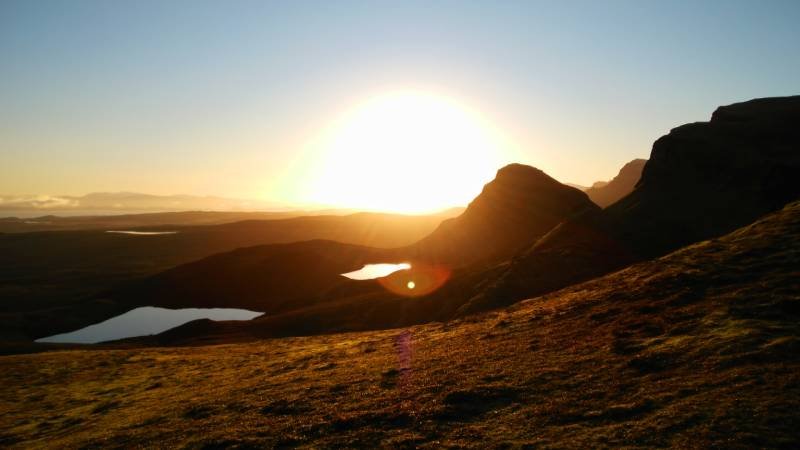
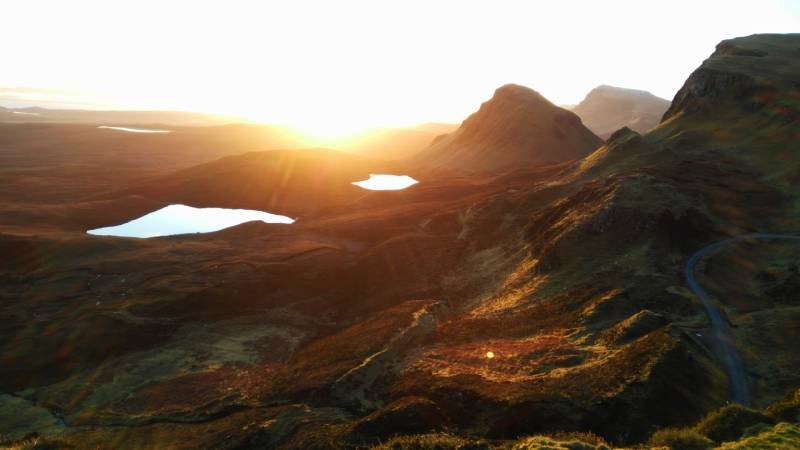
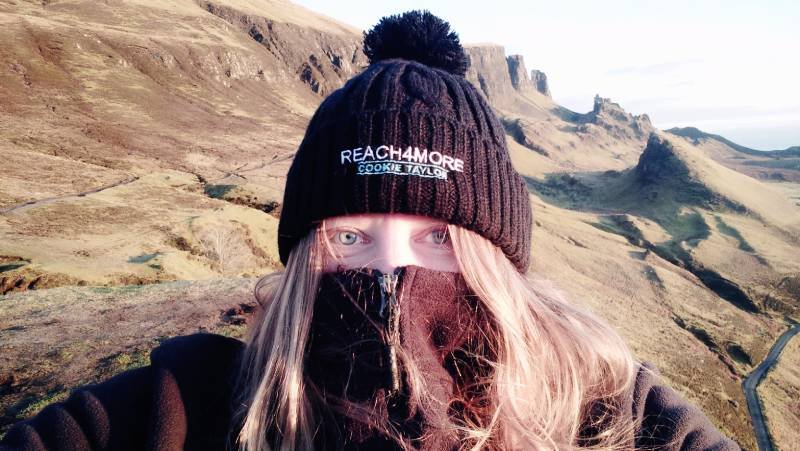
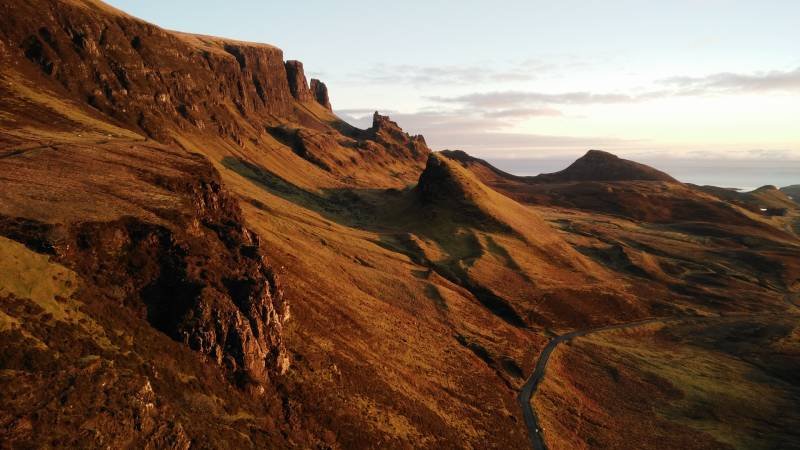
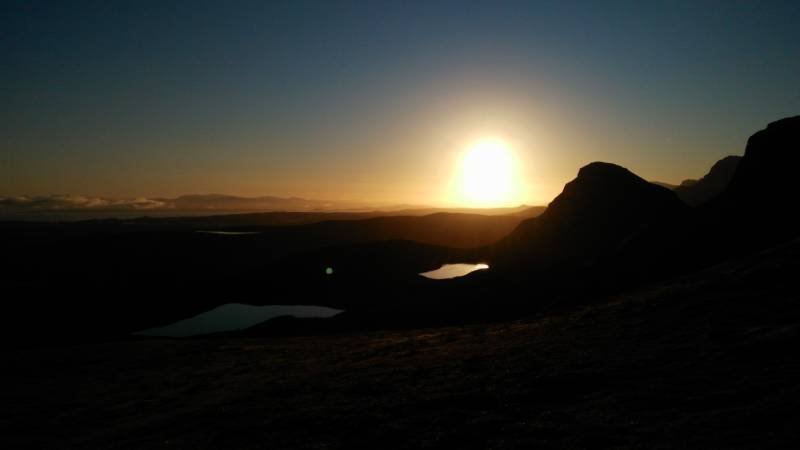
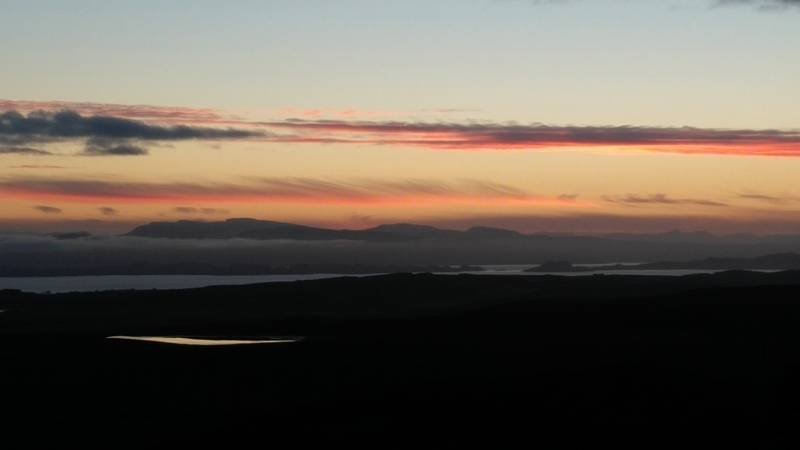
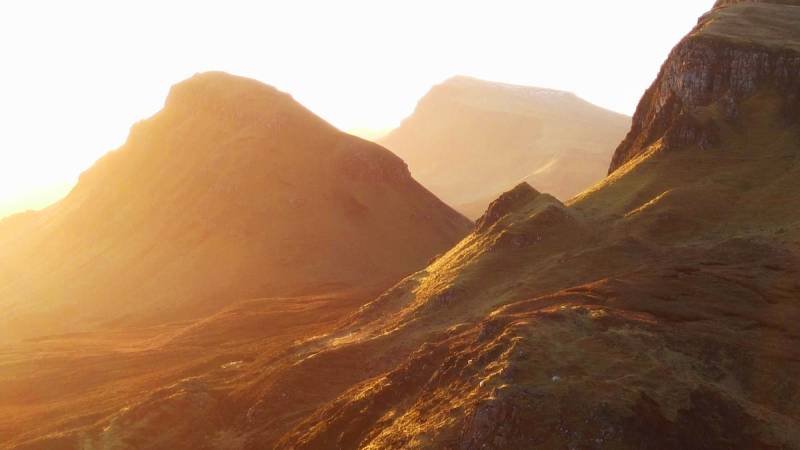
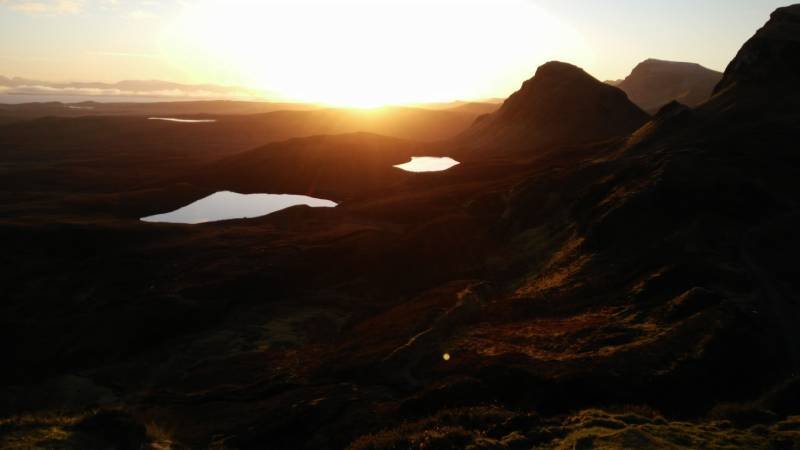
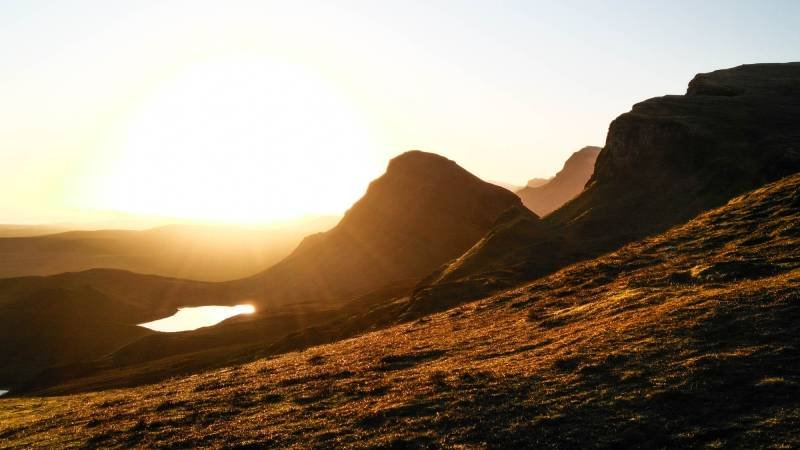

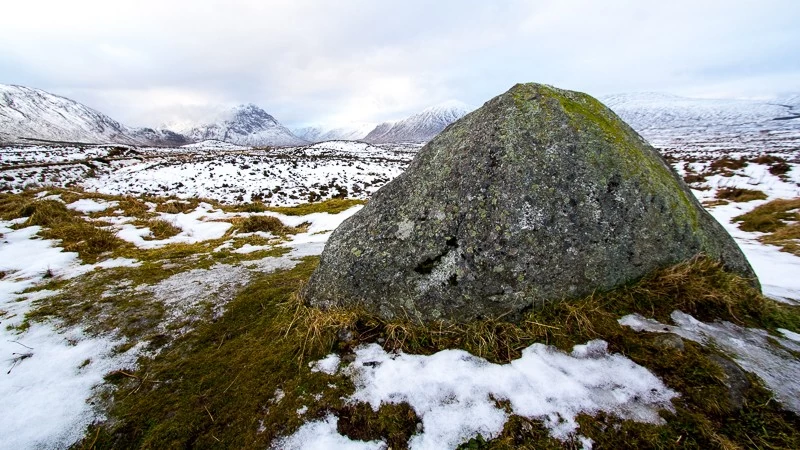
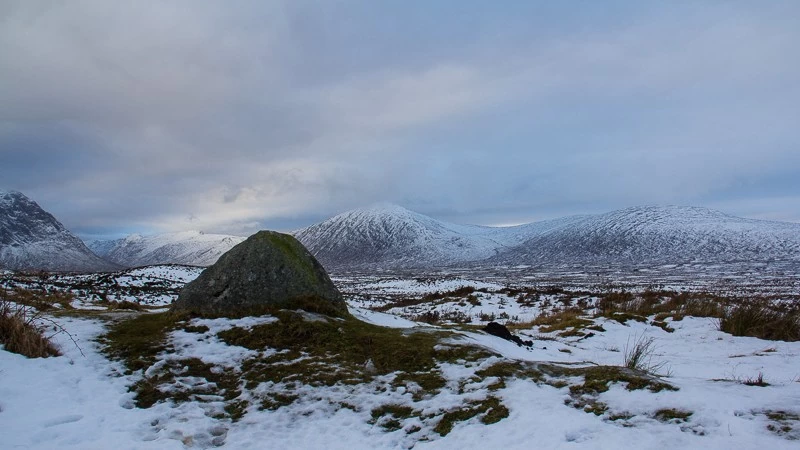
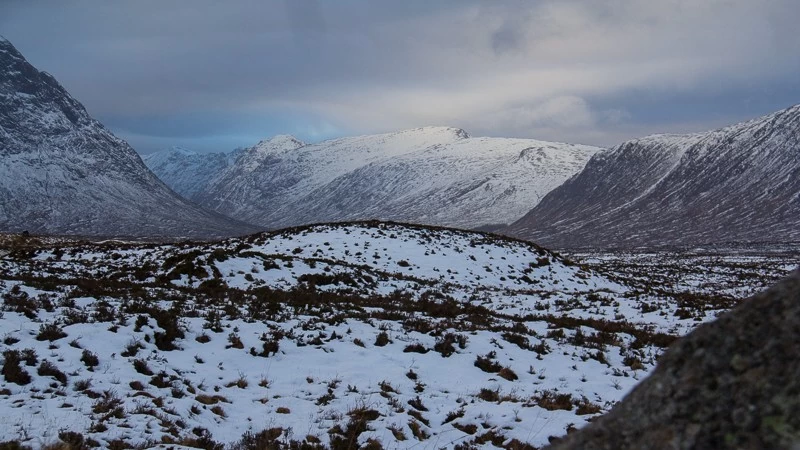
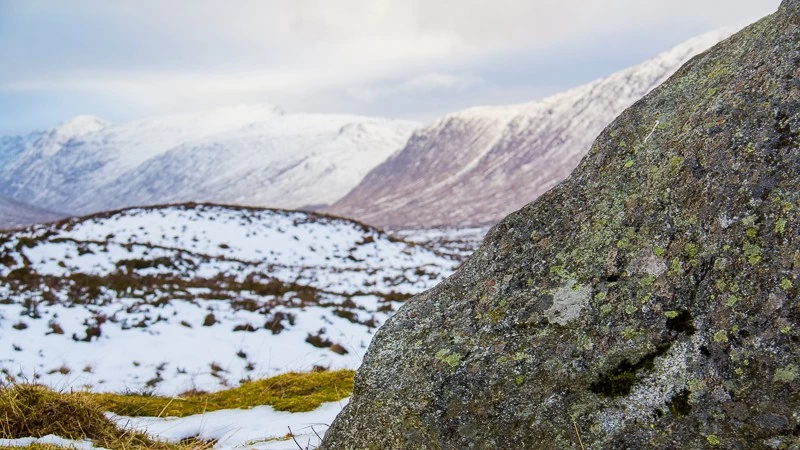
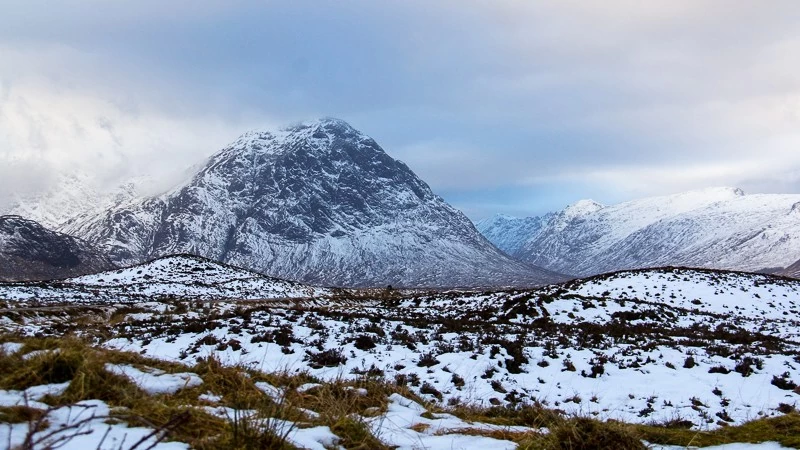
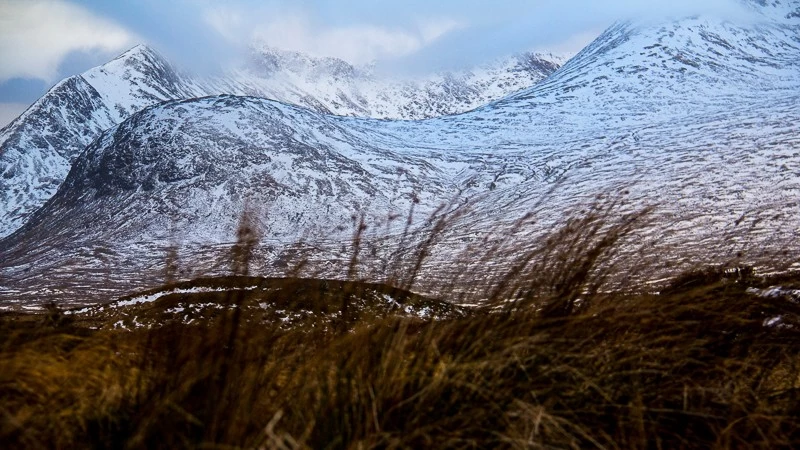
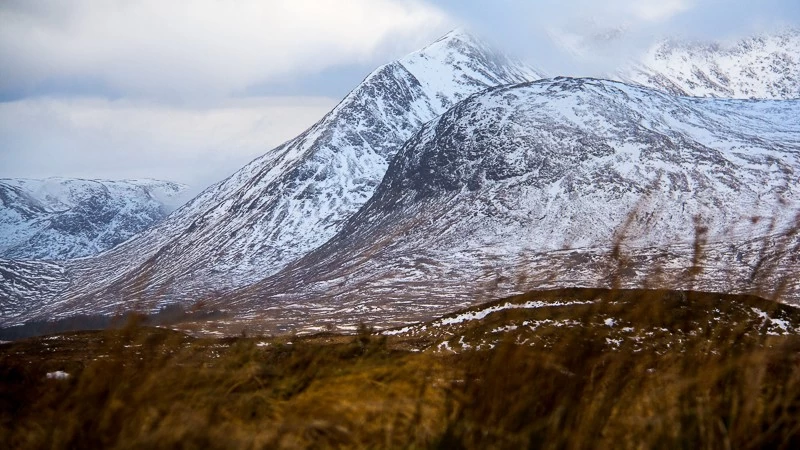
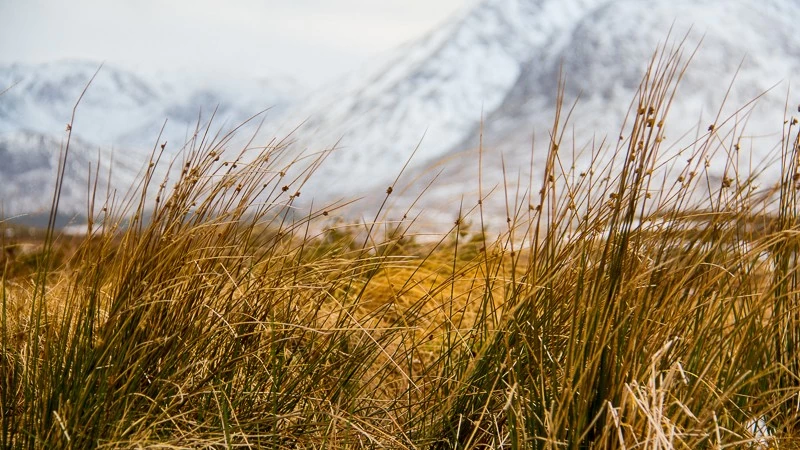
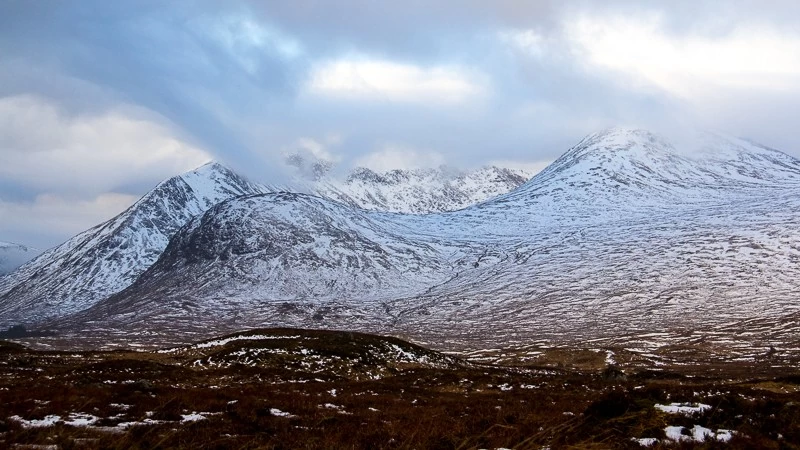
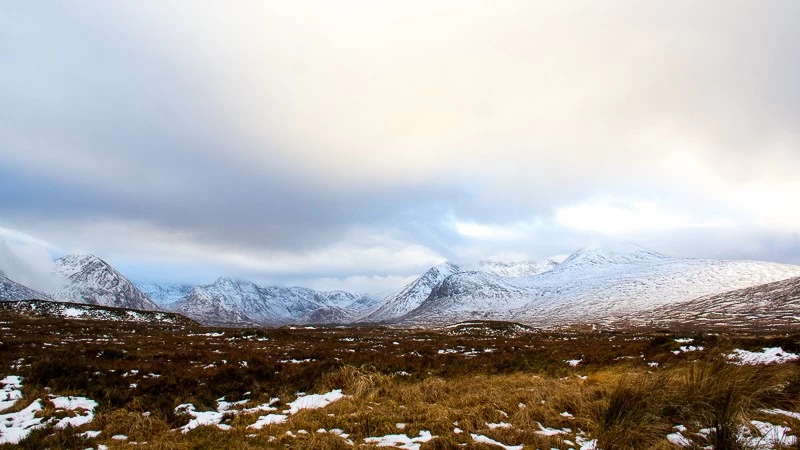
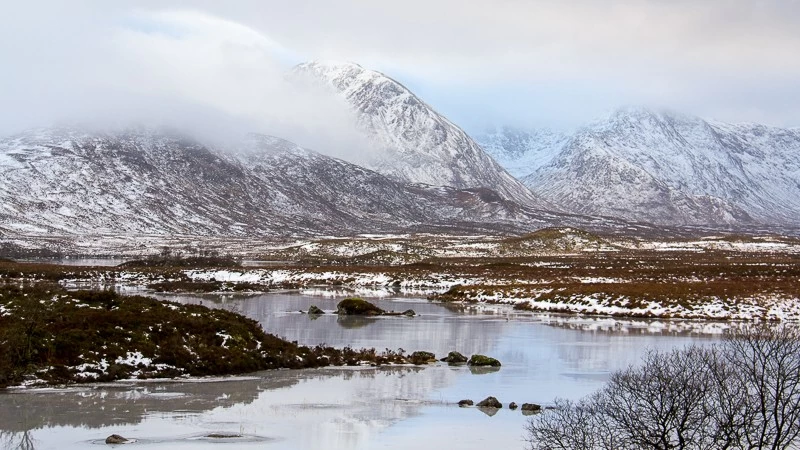
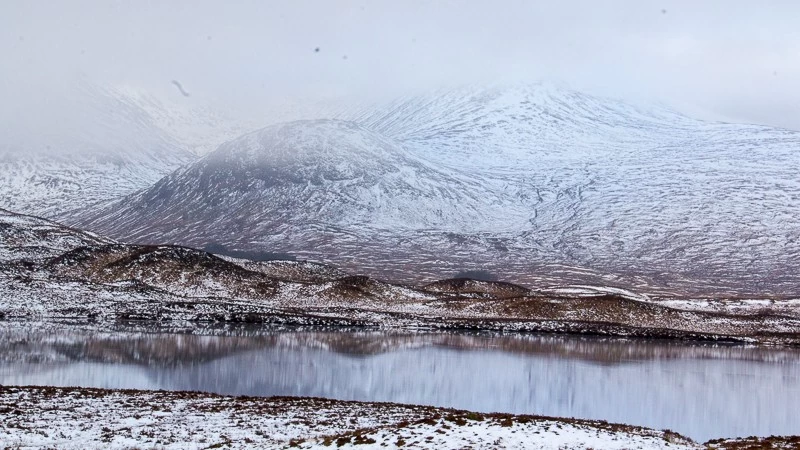
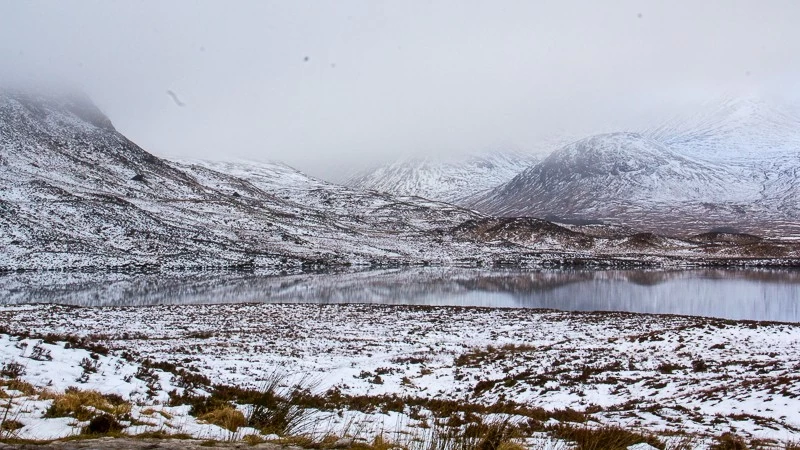
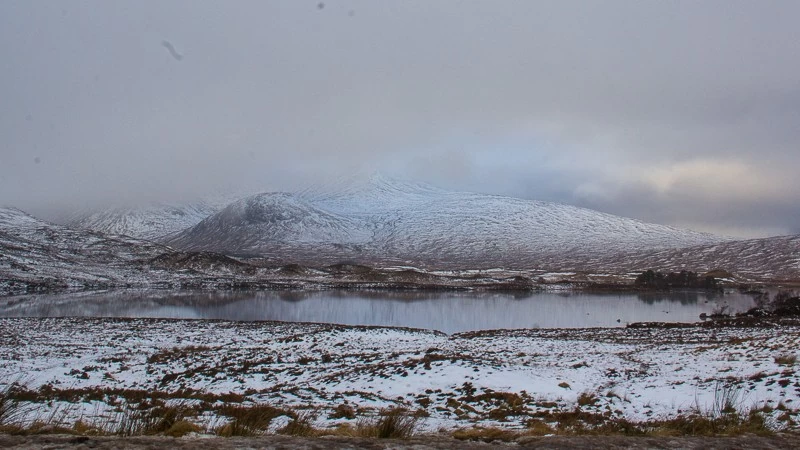
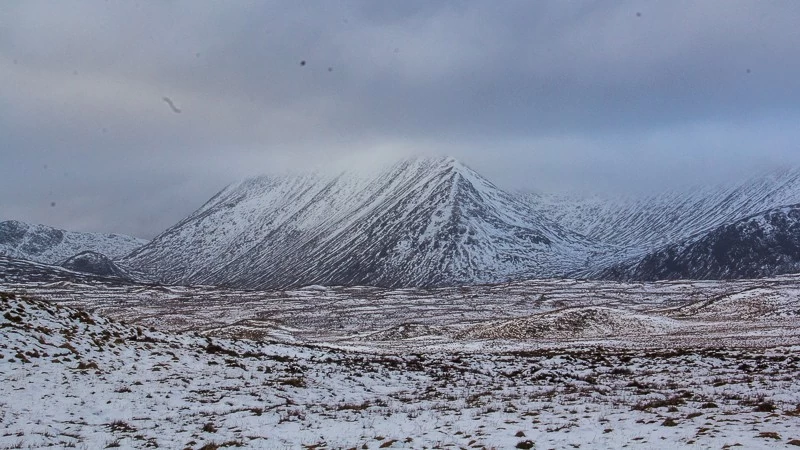
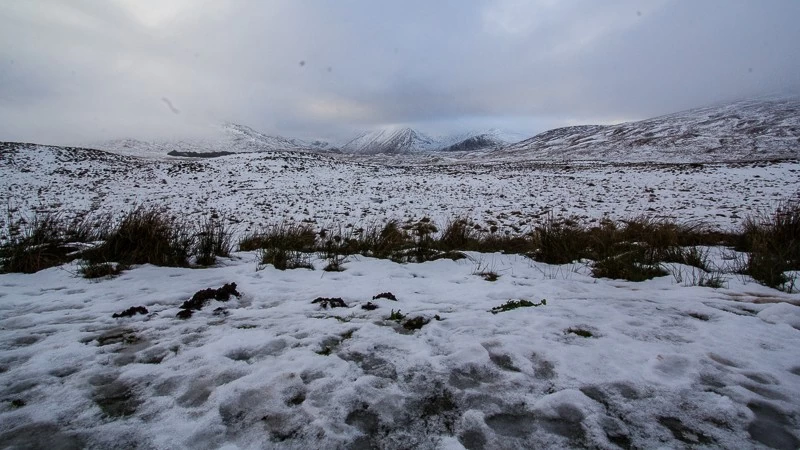
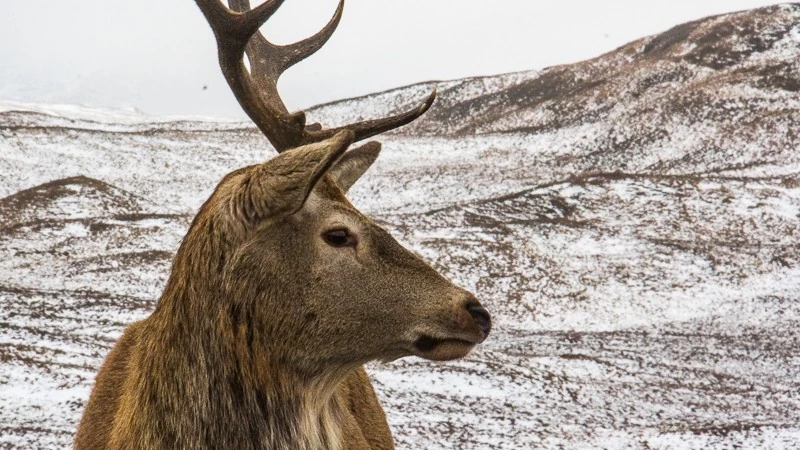
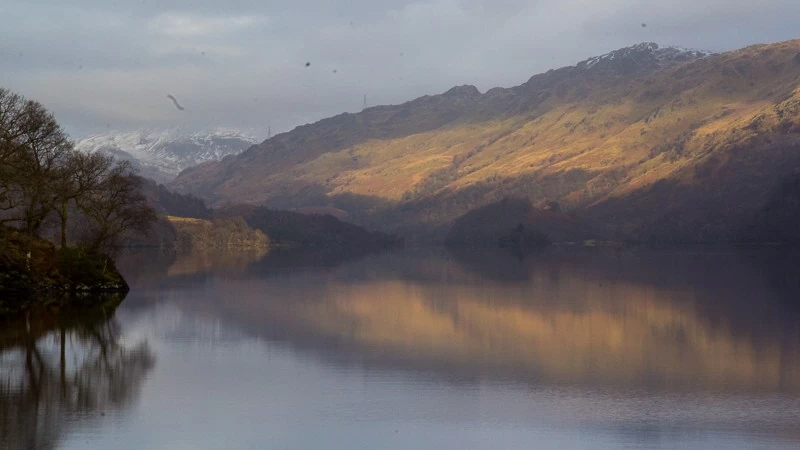
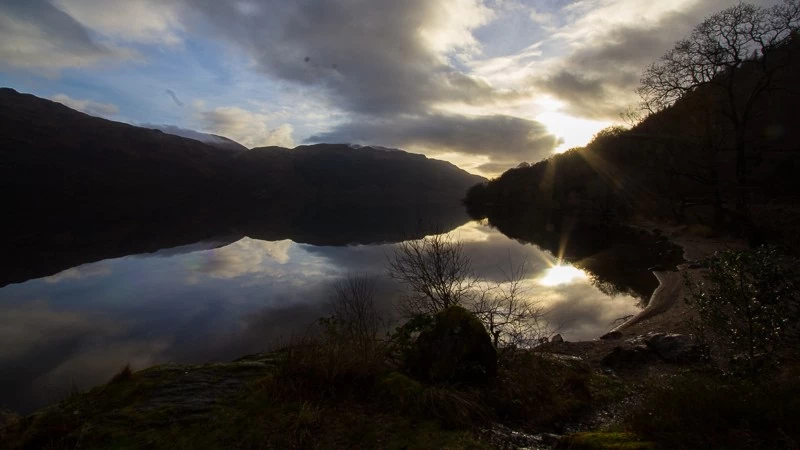
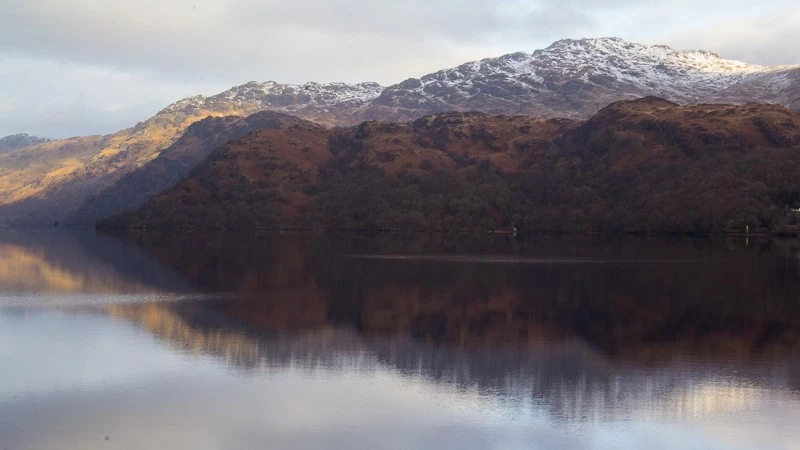
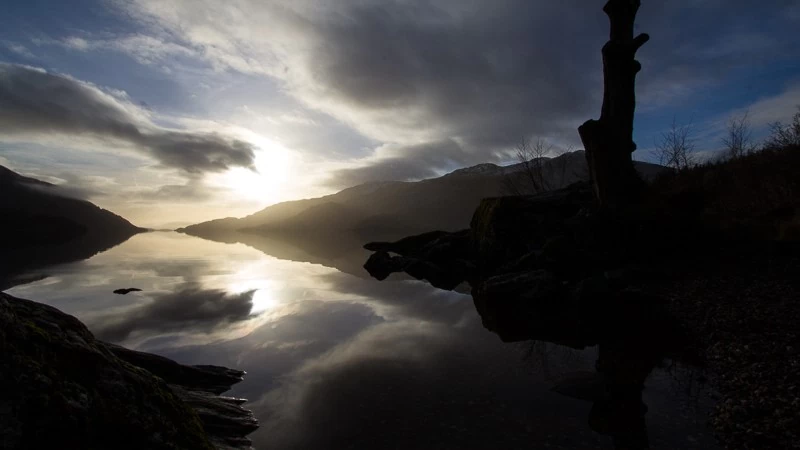
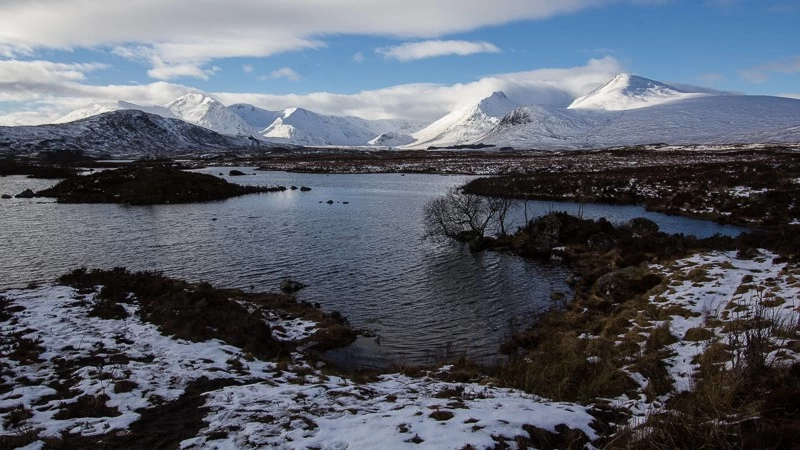
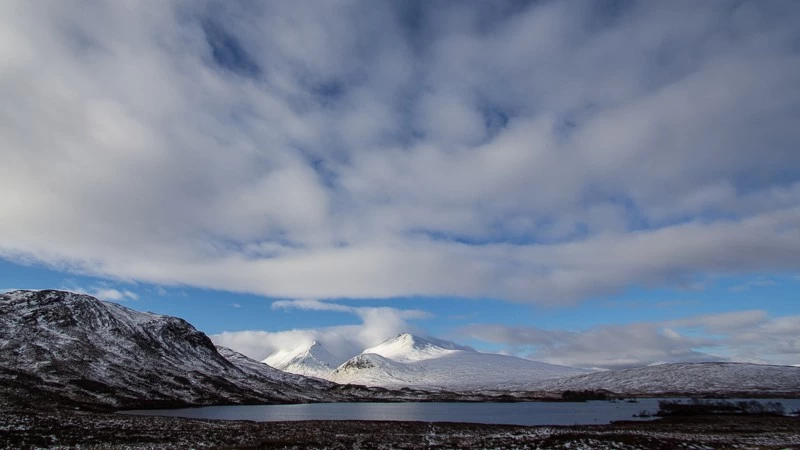
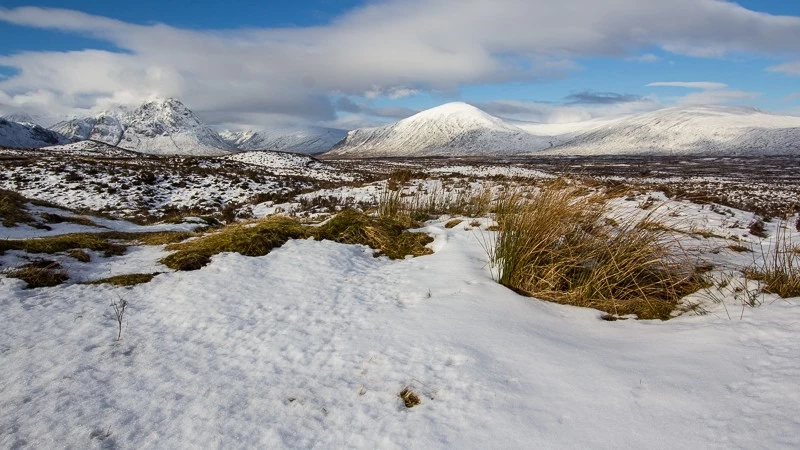
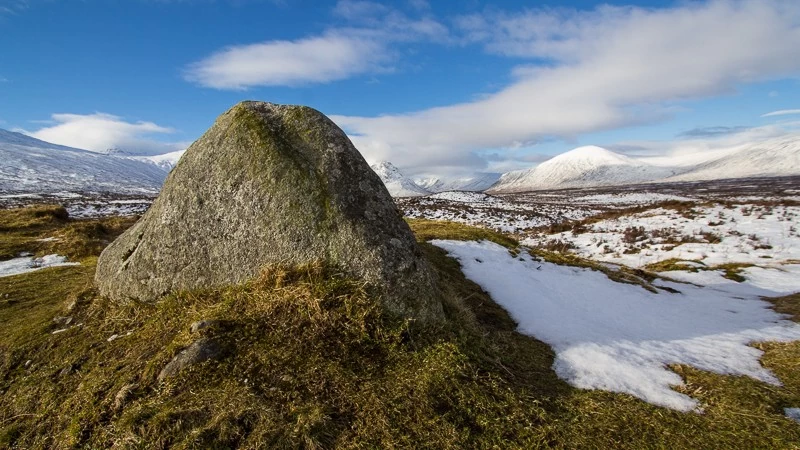
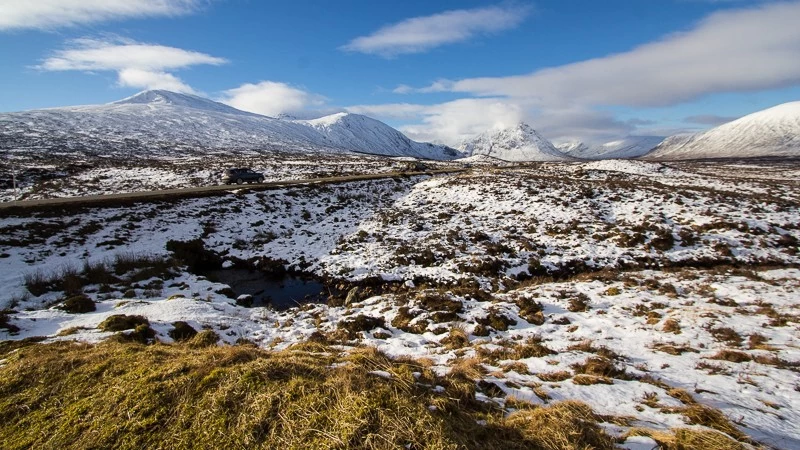
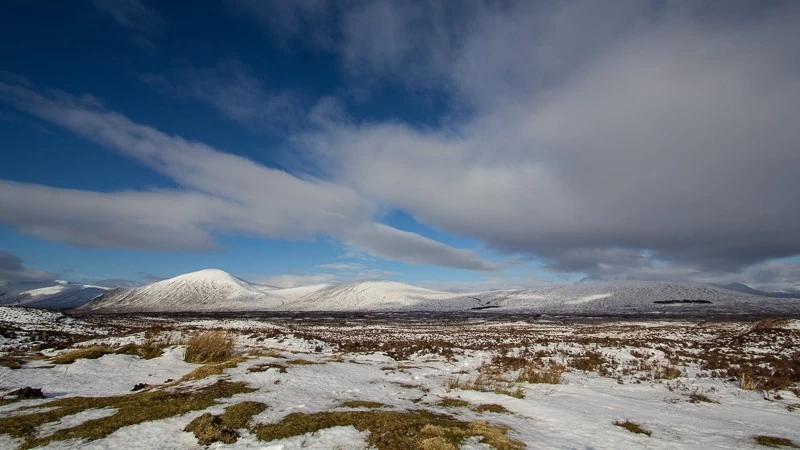
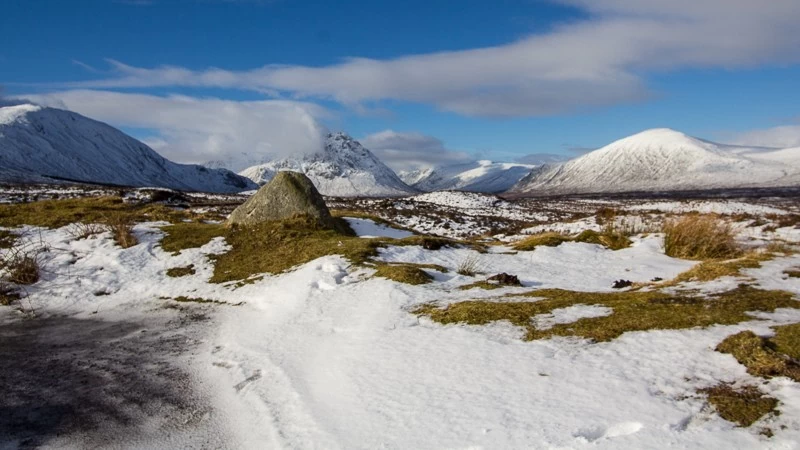
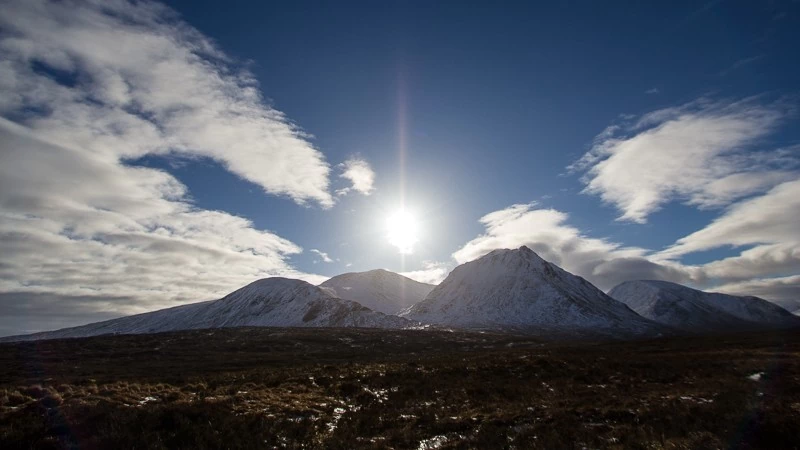
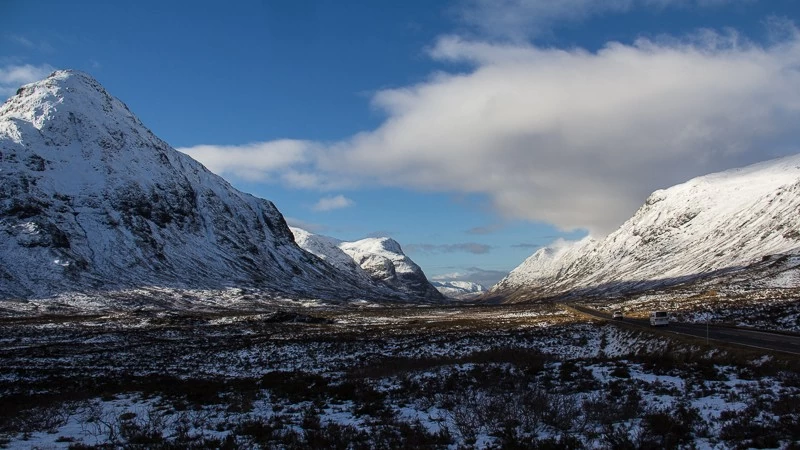
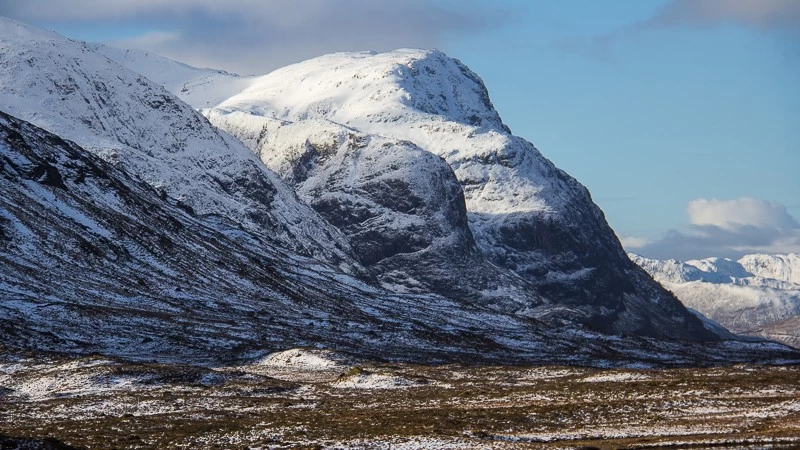
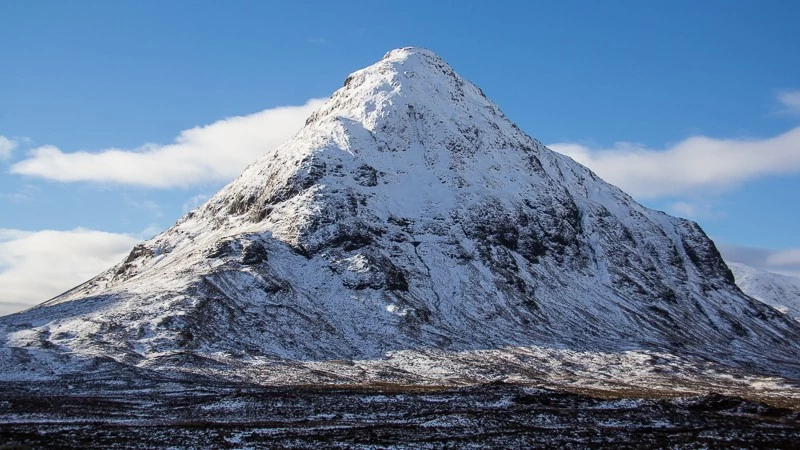
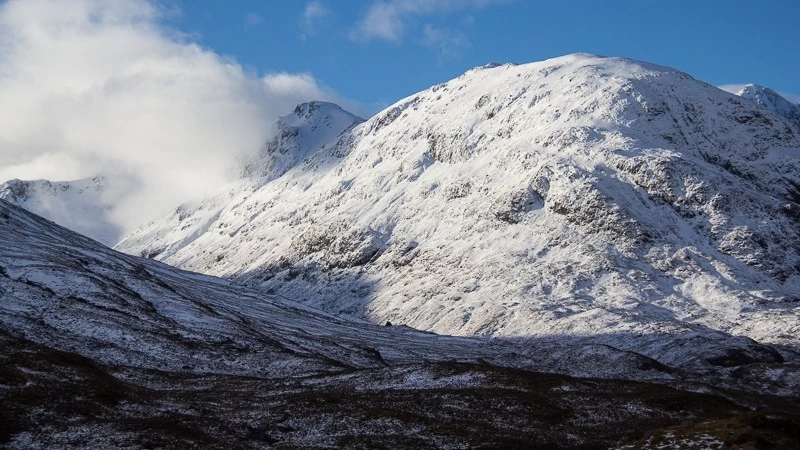
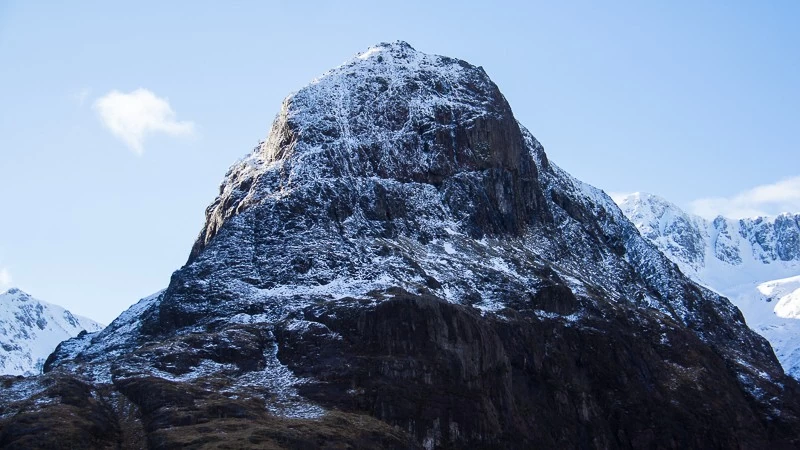
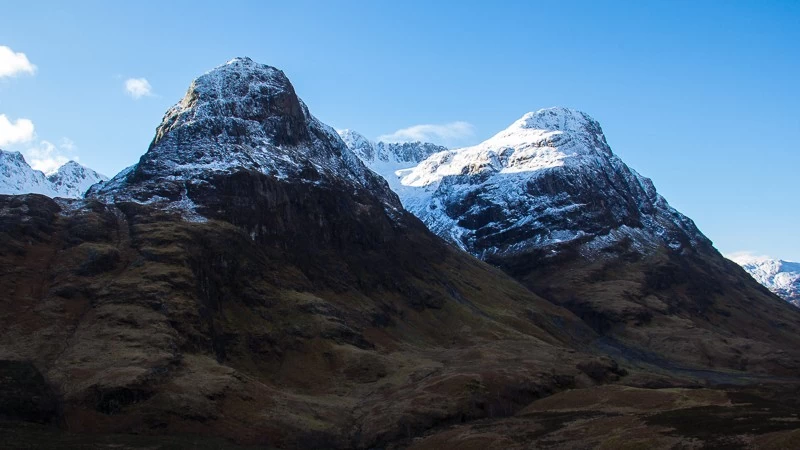
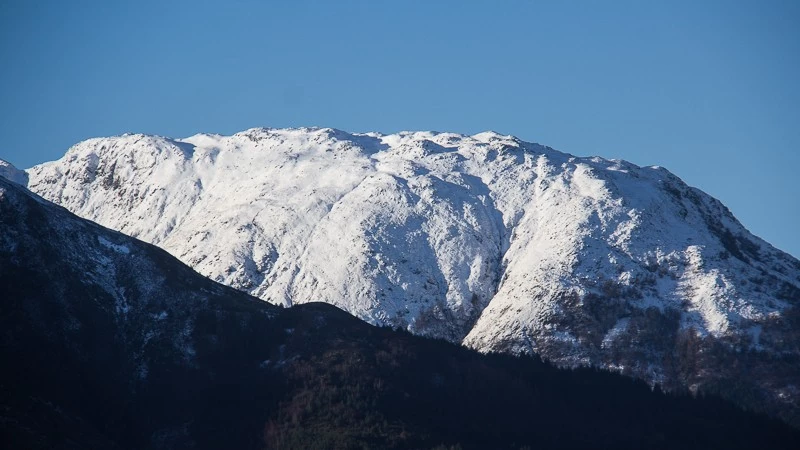
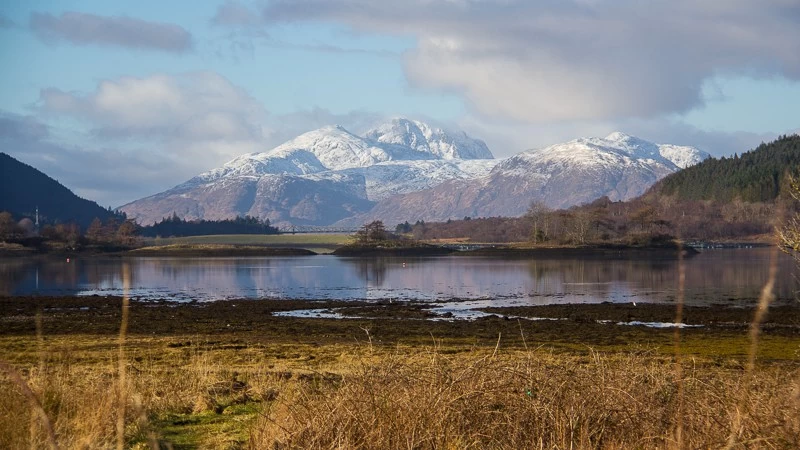
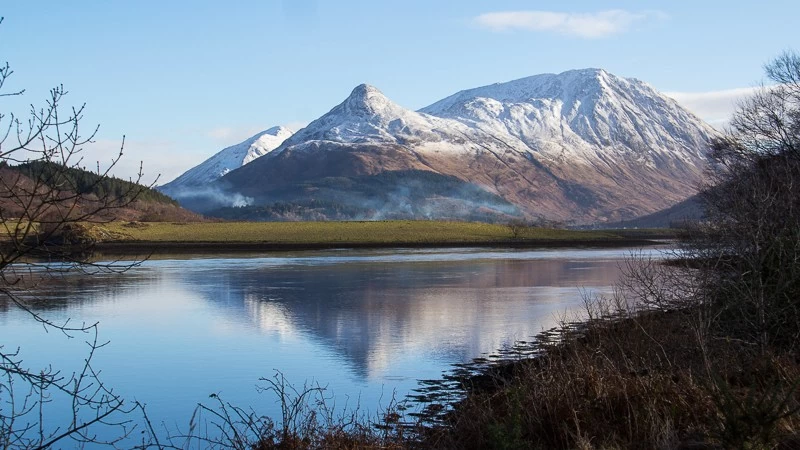
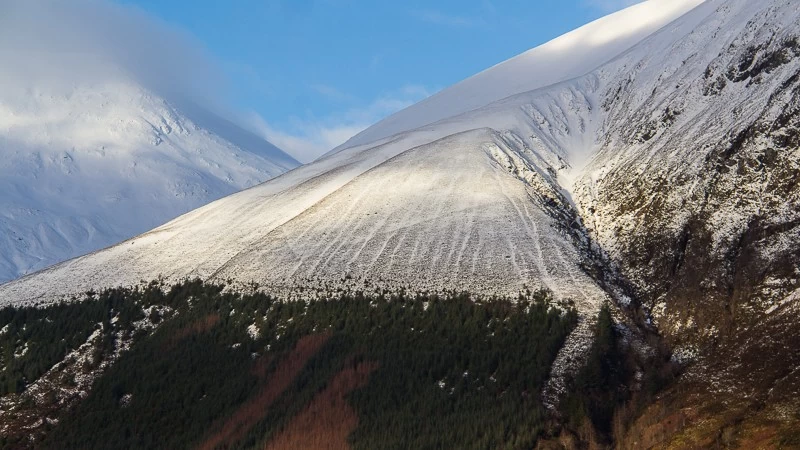
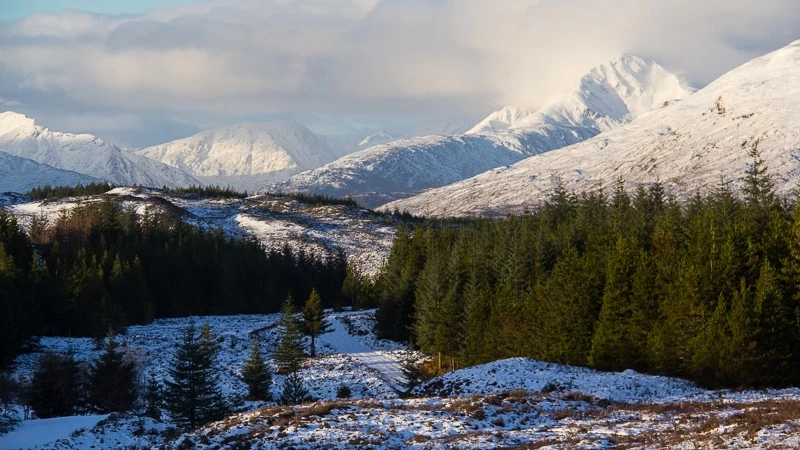
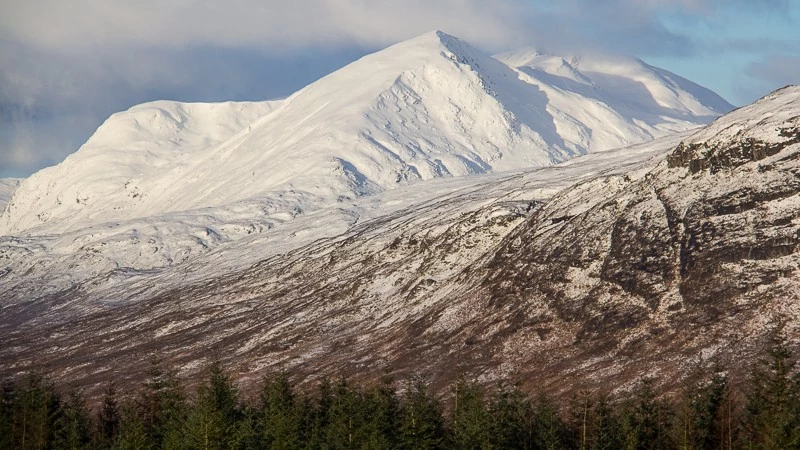
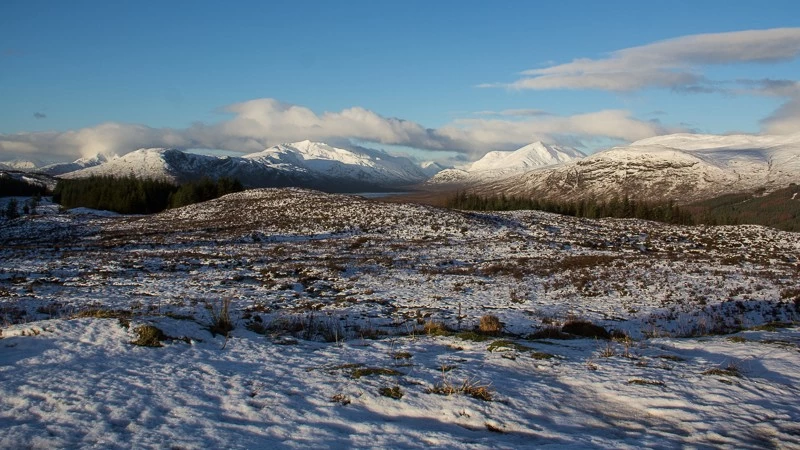
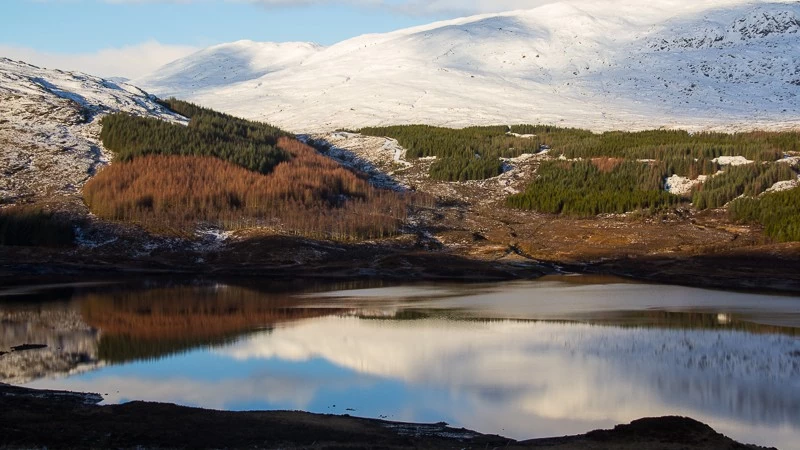
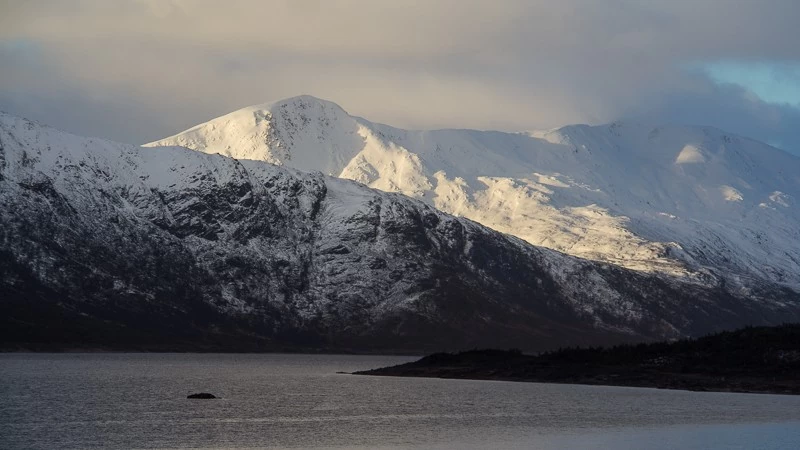
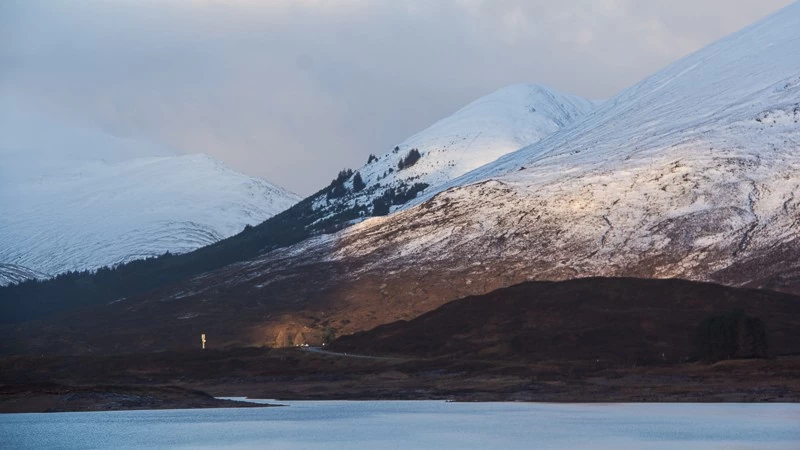
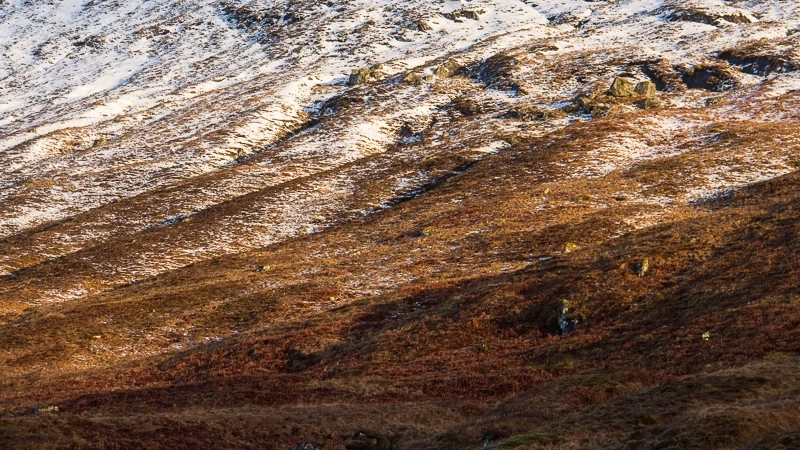
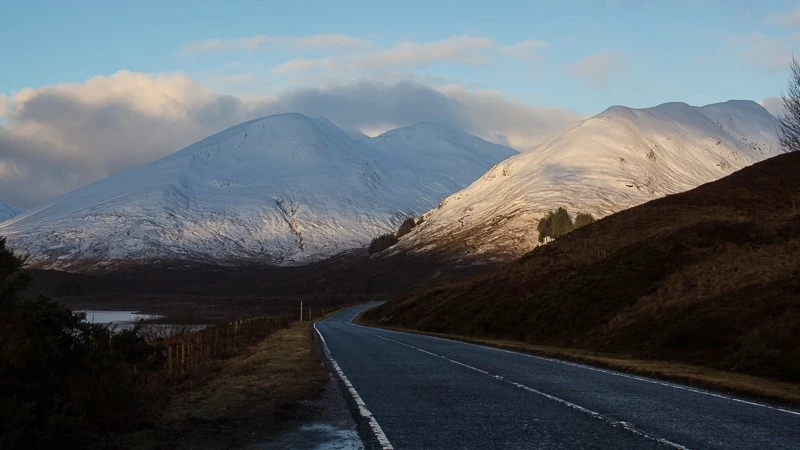
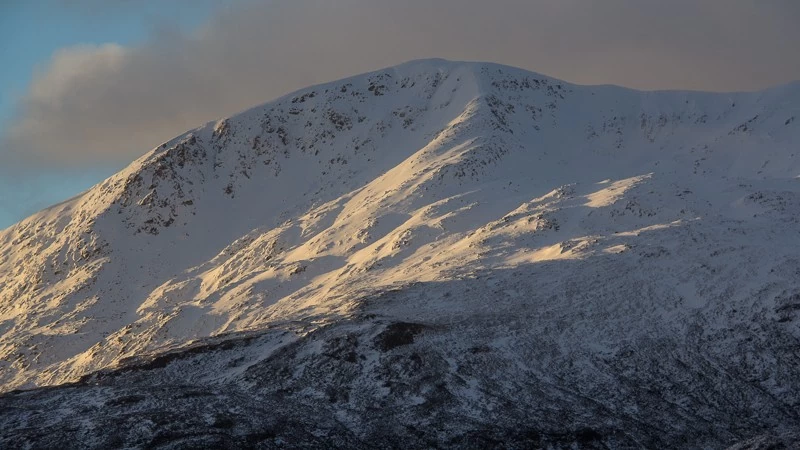
The Scottish Highlands. It’s the only place on Earth that pulls me like a magnet and where I will eventually call home if I have my way. There’s not a day that goes by when I don’t think about being there. Something about the landscape allows me to breathe, spread my mind out, feel I’m where I belong.
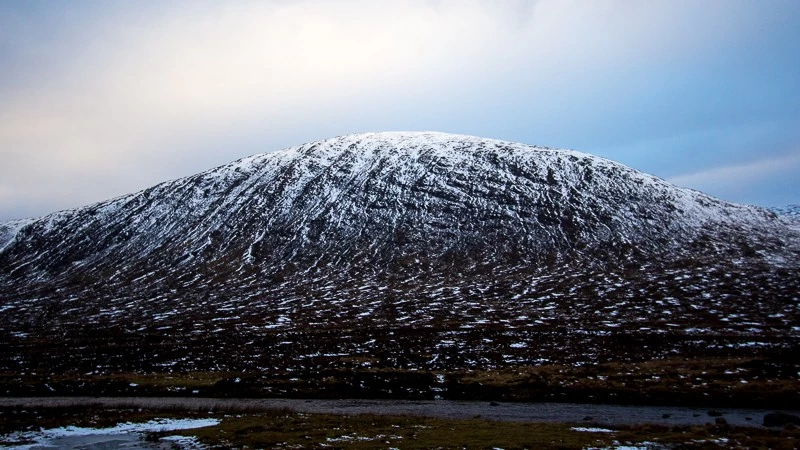
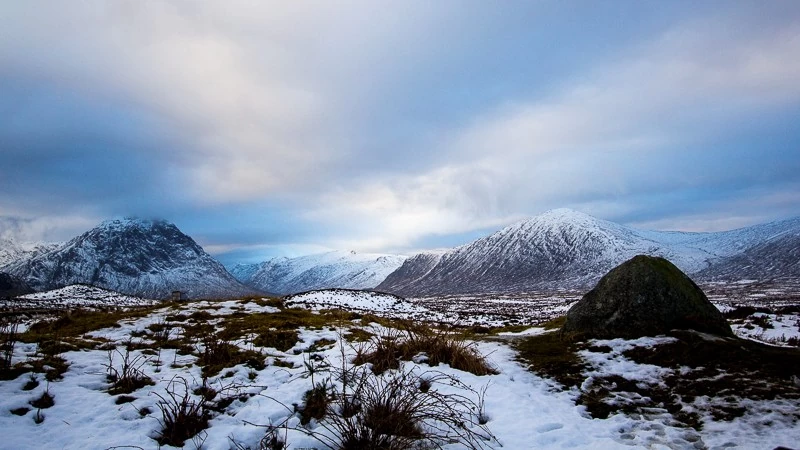
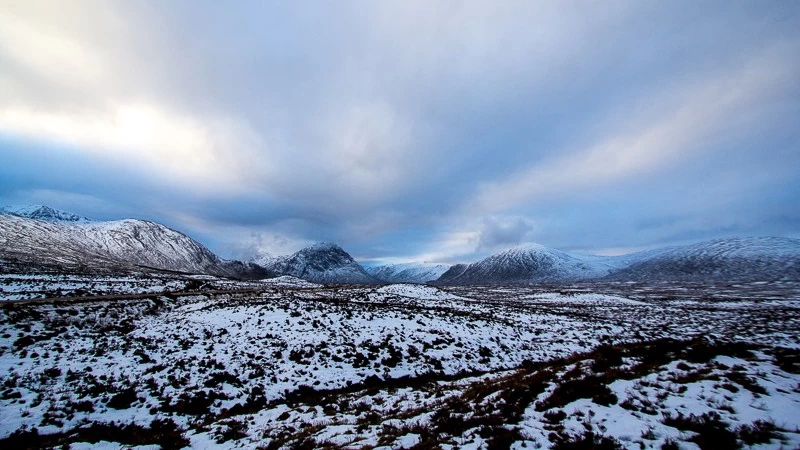
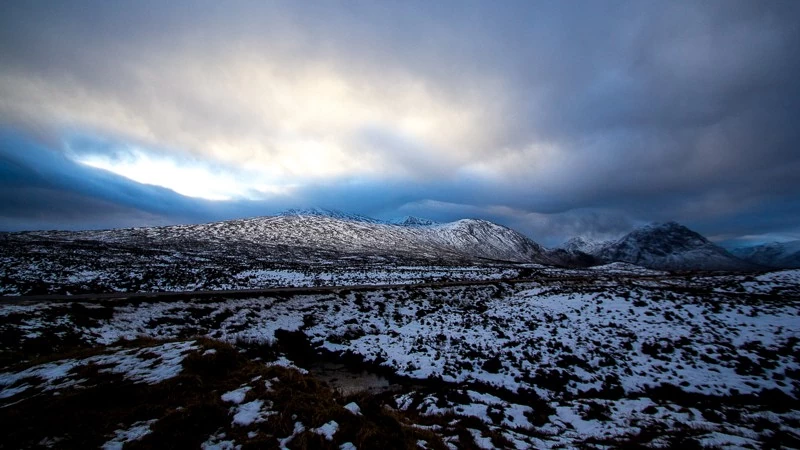
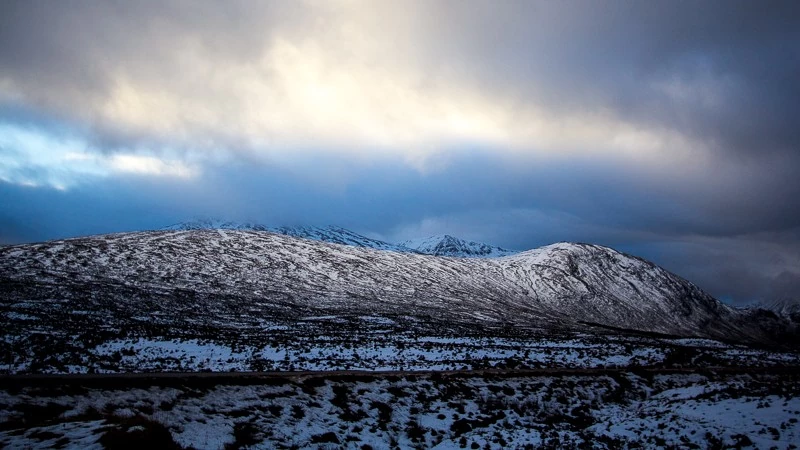
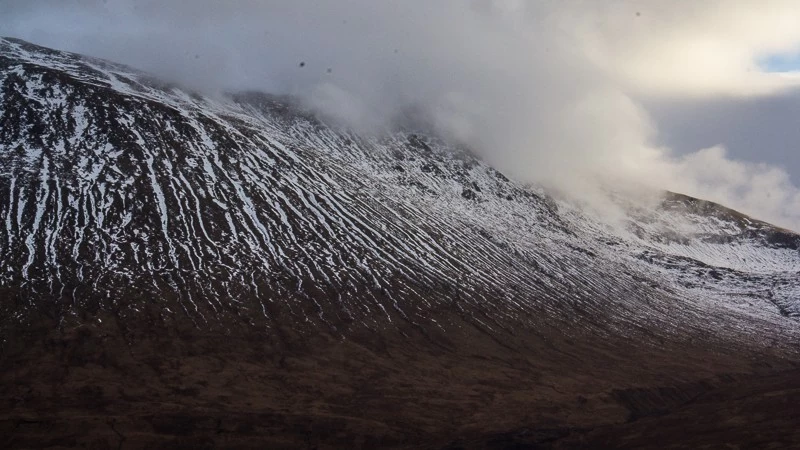
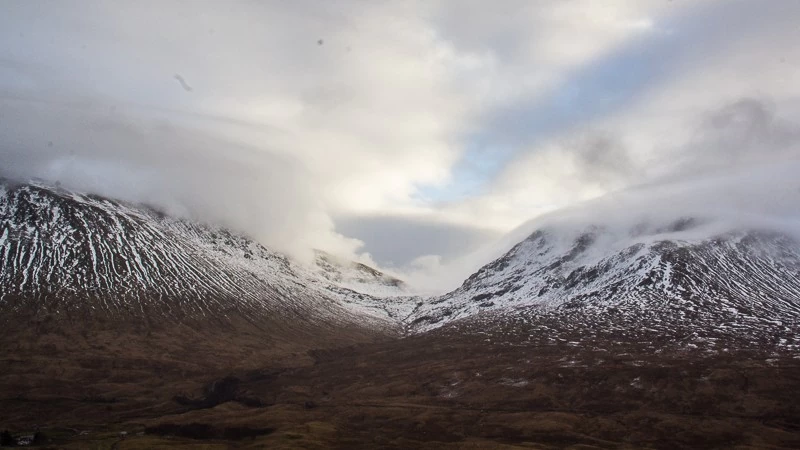
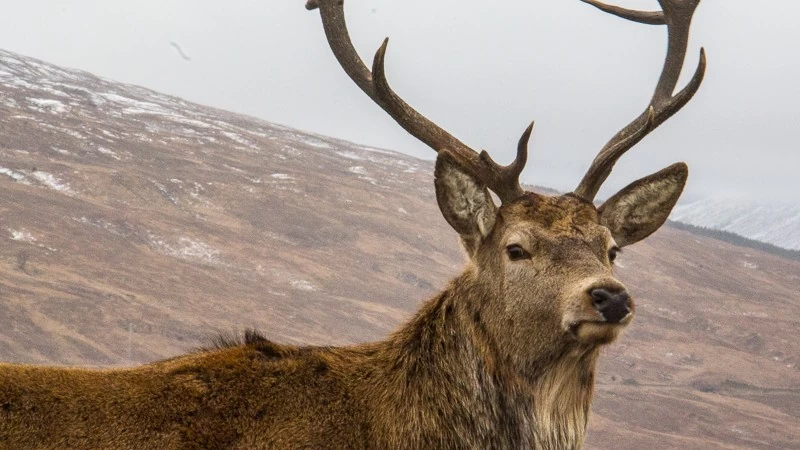
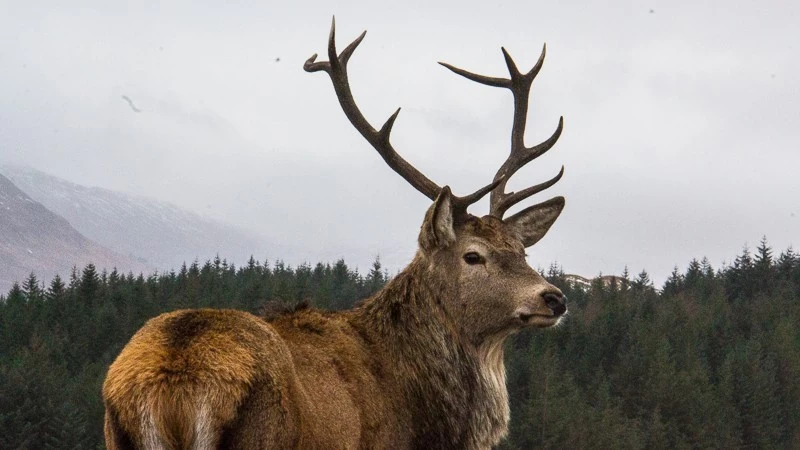
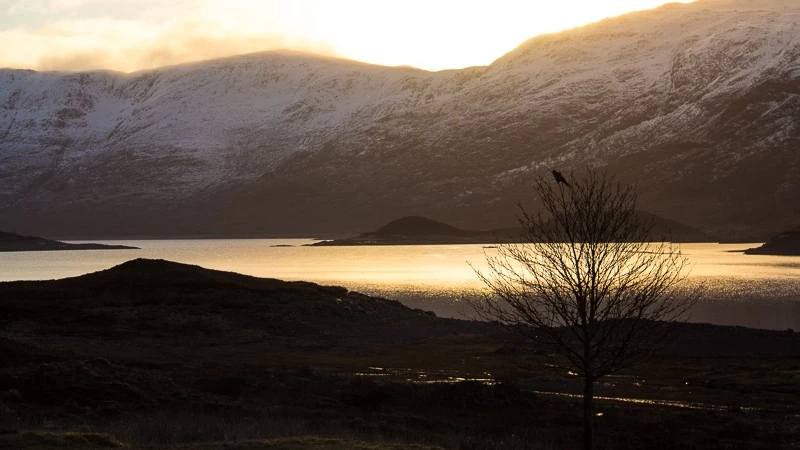
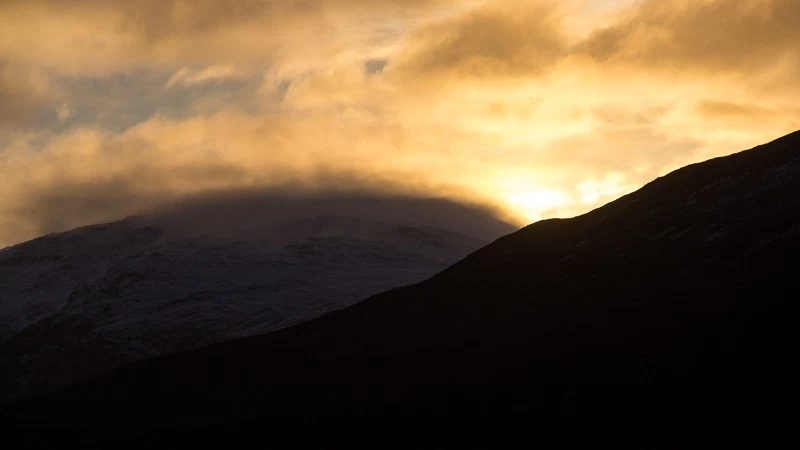
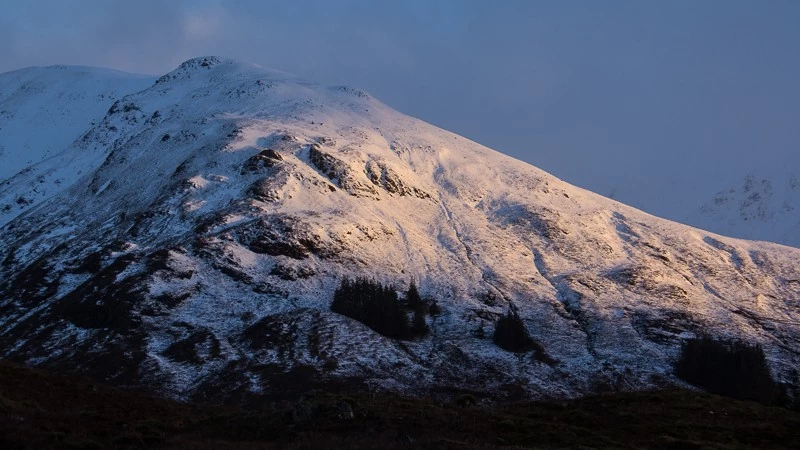
These photographs of the south-western Highlands were taken on my way to a regular winter house sit in the Isle of Skye. It took me five days to drive all the way up from the south of England because I had so little energy after my nervous breakdown but, as ever, that turned out to be a positive thing because the delay meant that I was able to spend time in the staggeringly beautiful area of Glencoe while it was under a blanket of snow and bathed in low sunlight. One of the most memorable times I’ve spent in Scotland.

I’ve lived and breathed adventure since I was a child.
From the moment I could turn the pages of a book I’ve poured over images of polar explorers, mesmerised by icicles growing off noses, hair whipping frozen cheeks, eyes staring wildly out of fur-lined hoods and impossible terrain reflected in battered goggles.
I knew from an early age that this was what I wanted to do. It was in my blood to visit the most remote and inhospitable places on earth, to push limits and set an example of what determination and perseverance can do. To be a real-life adventurer.
Imagine my disappointment, then, to find out that I’m unquestionably crap at it.
The truth is, I’m far too slapdash to be a proper adventurer. I have precisely none of the qualities required.
‘Oh, it’ll be alright,’ I tell myself. ‘I’ll just do it and see what happens.’
Inevitably what happens is that it all goes horribly wrong.
Like the time I was airlifted off the Everest Base Camp trail with severe altitude sickness.
Or the time I was hanging off the side of a ship, got my timing wrong, fell ten feet and squashed one of the most remote islanders on Earth.
Or the time I was blasted down a steep slope of volcanic ash by a sudden gale in Iceland and was forced to ‘abort mission’.
Or the time I set fire to my own tent and almost died of hypothermia (slight exaggeration – I slept in my car).
It used to churn me up inside that I wasn’t good enough. It hurt to be called the ‘Bridget Jones of Adventure’ by armchair experts. It hurt even more to be called ‘delusional’ by those who pick fault from the safety of their comfort zone. It was embarrassing to report yet another adventure that had ended in chaos and to see eyes rolling.
I felt highly inadequate for a long time until I decided to draw a line, stop focusing on who I’m not and work with who I am.
I am an adventurer … just a crap one. And that’s okay. I’m Cookie Taylor, The Slapdash Adventurer!
I love taking risks. I love screwing up. I love hearing myself screech with delight at my own stupidity. And I love the fact that I fail at most of the things I try.
Why?
Because failure is not the opposite of success; failure is the path to success – and if you’re enjoying the hell out of your life, making your dreams happen and embracing the journey, flaws and all, you’re already well on that path.

I like to be where there are no people. If I’m in, let’s say, a national park with miles of nothing around me I can sniff out a human. Once I’ve sniffed them out I turn and flee in the opposite direction.
And so it was on a cold, crisp morning that I was thrilled to find a freshly-cut field to train in, which meant I didn’t have to walk along the cliff top and encounter members of the general public.
I was making good progress; I’d walked about four miles in all when I spotted a truck hurtling over the field towards me.
“Oh shit! Farmer!”
The truck pulled to a halt beside me, scattering dirt over my boots and for some reason I thought it was a good moment to adopt a Bridget Jones ‘oh-aren’t-I-a-silly-billy?’ kind of an air and put on a posh, high-pitched voice whilst at the same time trying to hold my stomach in and look like a hardcore adventurer.
In reality I looked like Tweedledum on acid.
“I suppose it might appear to you that I’m trespassing!” I blurted out, offering a half smile, half grimace so that he’d know instantly how seriously I was taking my crime.
“It would,” the farmer said.
“I’m soooooo sorry,” I assured him. “I’ve never trespassed before.”
That was an out-and-out lie. I trespass wherever and whenever I can get away with it. I like breaking rules. I’m not talking about wandering round someone’s house in the middle of the night or clambering over fences to explore well-kept lawns and flowerbeds, I’m talking about exploring gate-less fields that are likely to be out of bounds to anyone but the owner.
This was the first time I’d been caught red-handed, though, and my captor looked mightily pissed off.
“What are you doing?’ he asked. “I’ve been watching. You’re just walking round and round. I don’t get it.”
“I’m sort of training.”
“Sort of training for what?”
“Well, thing is,” I said, “it’s always been my dream to walk to the South Pole but obviously I’m never going to be able to afford to do that or even be the kind of person who could do it even if I did manage to scrape the money together because I’m not hardcore enough, can’t ski, am too fat and lazy and I’m crap at being part of a team on account of being too bloodyminded – but that’s another story – so I’ve gone and booked a flight to Iceland to walk 1000 miles solo this winter because it’s the closest I’m ever going to get to the feeling of what it’s actually like to do a proper expedition like walking to the South Pole but first I’ve got to lose a shit ton of weight and get fit so that I don’t die in a blizzard but as usual I’ve gone and left it all too late and now look, I’m still the size of a bloody rhino, so I’m starting to take the training seriously and today I’ve found myself walking round … your … beautiful field …”
The farmer was staring at my forehead in stunned silence as my voice trailed off. I couldn’t help but notice shortly after that he was eyeing me up and down. I screwed up my face and broke out into a nervous grin. “I’m really fat, aren’t I?”
The farmer shook his head quickly in confusion. “Why aren’t you walking on the cliff top like everyone else?”
“I hate people,” I said. “I mean, I don’t hate people but I hate people, do you know what I mean?”
“Nope.”
“I hate being around people when I’m walking. I mean training.”
“It’s five-thirty in the morning,” the farmer said, looking at his wrist before sheepishly realising he wasn’t wearing a watch. “Nobody’s stupid enough to be out yet. Except you.”
“I know but some wanker will be up there soon, you watch. ”
“The cliff’s got views of the Isle of Wight. What do you want to be walking round a boring field for?”
“Cos I don’t want to be around people,” I said. “I think I’ve just explained that. And I’ve been to the Isle of Wight. It’s boring.”
The farmer looked baffled and I felt sorry for him. He couldn’t hope to understand my ridiculous mind. He switched his engine off, shuffled his body round to face me and squeezed both elbows out of the truck window. His eyes narrowed as he rested his chin on a forearm and studied my face carefully. He was either going to kill me or ask me to marry him.
A moment of silence passed between us until the farmer’s gaze broke and he sighed heavily.
“Thing is,” he said, “you hate people. I hate trespassers. Specially tourists.”
“Oh, I’m not a tourist,” I swooned. “Oh no, far from it! I’m a house sitter. Well, I’m a wedding photographer actually – and a web designer – and a life coach – but we’re house sitting just down the lane. We do it for free. We don’t have a home, you see. We’re not homeless though. We’re houseless. Well, kind of. We live in other people’s houses, you see. We’re too broke to afford rent and to be honest even if we could afford rent we wouldn’t actually want to pay rent again because we used to rent and it seems like a colossal waste of money when we can live for free in gorgeous houses that we couldn’t afford to rent for even a day and anyway we love being on the move all the time because we –”
“What the fuck do you mean you want to walk to the South Pole?”
“Huh?” I broke out into what might only be described as a masculine throat rattle – a deep cackle of embarrassment. Terribly unfeminine and not my proudest moment. I might as well have sharted too. “It’s been my dream since I was about five.”
“Why?”
“Why? Well, I want to be an adventurer.”
“Why?”
“I don’t know.”
“You must know.”
“I don’t. Why do you want to be a farmer?”
“I don’t.”
“Well, why are you one then?”
“Don’t know.”
“Well, what do you want to be then?”
“Dead.”
I wasn’t sure whether to cackle insanely or nod compassionately. I did both.
“Being a farmer’s shit” he explained.
“Is it?”
An awkward moment passed between us as he sighed again.
“Well, it could be worse,” I said. “At least you spend your days outside playing with your cows and sheep and pigs and stuff.”
The farmer raised his eyebrows and gestured to the field around us. “I grow wheat.”
The throat rattle threatened to come again but I kept it down by coughing delicately instead. “Well, you could be stuck in an office with people you hate. Think about that.”
“Ah, but then I wouldn’t be here to catch trespassers, would I?”
“Good point,” I sniffed.
Another awkward moment passed between us.
“How long have you been a farmer then?” I smiled, widening my eyes and shuffling my feet.
“Since I was thirteen.”
“How old are you now?”
“Sixty-two.”
“Well you look happy enough,” I said. “That is, you do look a bit on the angry side this morning but I’m guessing that’s my fault.”
“You guess right.”
The elbows withdrew suddenly and the farmer opened the door of his truck. I grew a little nervous. Do farmers kill and eat people who trespass on their property? Do they throw them to the pigs, even if they’re crop farmers? I really hoped not.
He got out, pushed the truck door closed, leaned against it and stared at me as if I was a mysterious artefact, pursing his lips and folding his arms against the chilly morning air. His breath hovered in the sunlight, which was turning golden as the sun peeped over his shoulder. I hoped sincerely that he wasn’t about to make a pass at me. I didn’t want to have to get brutal.
“The South Pole, eh?”
“I know, it’s ridiculous – you don’t have to say it.”
“An adventurer, eh?”
“Yeah but I’ll never make it. I’m too crap. But I’ve got to at least try, haven’t I? That’s why I’m going to Iceland. I want to do something epic.”
The farmer’s eyes wandered over my face then over my shoulder towards his house. For a moment it seemed that he was lost in a memory. His eyes glistened and he looked to the ground, shifting his stance.
“I admire you,” he said quietly. “I never got to live my dreams.”
“Why?” I felt all of a sudden protective towards this man and my heart ached for his obvious regret.
“Wasn’t brave enough,” he said, his eyes lifting to meet mine. “But you are.”
“I’m not brave,” I said, feeling my nose tingle. “I’m stupid. It’s just that it’s inside me, calling me, you know? I can’t ignore it.”
“No. I don’t s’pose you can.”
I rubbed my nose and sniffed as the farmer drew a sharp breath through his own nose and reached into his back pocket to pull out a wallet. I couldn’t help but wonder if he was about to ask me for sexual favours. Unlikely, given the circumstances, I concluded quickly.
“Take this,” he said, retrieving a £10 note and pressing it firmly into my hand, “towards your expedition fund.”
I was staggered – totally taken aback. I burst into tears before flinging my arms round his neck and hugging him so tightly that he started his own throat rattle. A spontaneous reaction to a spontaneous gesture. At one point I kissed him full on the ear, which pleased neither of us very much, to be honest.
“I can’t believe – you don’t have to – I just – thank you so much! I don’t know what to say!”
“There aren’t many like you in this world,” the farmer said, pushing his wallet back into his pocket and allowing a faint smile to creep across his lips.
“I’ll probably die in a blizzard,” I said. “I really am that crap.”
“Doesn’t matter though, does it?” he said. “You’ve got the guts to try.”
I cursed the tears that were now exploring my cheeks but somehow it didn’t matter that I was blubbering in front of a stranger. He understood me in that moment and we’d forever share that connection.
“So, can I use your field to train in, then?” I grinned cheekily, getting ready to give him another hug.
“Nope,” he said, climbing back into his truck and starting it up. “If you’re brave enough to walk round Iceland you can face a few people. Now fuck off.”
He turned his truck in a slow, wide circle, tipping his hat and winking at me as he began making his way out of the field and onto the lane. I nodded back and allowed a laugh to echo after him before my smile faded along with the sound of his engine. A mixture of sadness and elation enveloped me; sadness that he wasn’t brave enough to go for his dreams and elation that I’m brave enough to go for mine.
Please note: I practice fasting but am not a fasting expert.
This is a basic beginner’s guide based on what I’ve learned over the years.
Fasting refers to the practice of going without food for a period of time. How long that period of time is depends on the goal of the fast. Different periods of time kick off certain changes and healing processes in the body.
People fast for all sorts of reasons. These include weight loss, weight maintenance, religious beliefs, detoxing, discipline training, pain control, disease prevention and inflammation reduction.
Some people fast for a chosen number of hours every day or most days (known as intermittent fasting or time-restricted eating). Others fast a couple of days a week (known as periodic fasting e.g the 5:2 Diet).
Lots of people enjoy regular 24-hour fasts, while others prefer extended water fasts of 3, 5, 7, 10, 14, 21, 28 and 30 days. Some even do 40+ days once or twice a year to reset their immune system and boost overall health, mood and weight.
If you’re planning to incorporate fasting into your life it’s a good idea to familiarise yourself with the different of types of fasts. Every body responds differently to fasting and, like all diets, what works for one person might not work for the next.
In my experience, the best way to approach fasting is to build up gradually, get used to how it feels to go without food and take on longer fasts once you know what to expect. Fasting, particularly water fasting (going without food) and dry fasting (going without food and fluids) can be particularly powerful. It’s a lot easier when you’re familiar with how your body’s going to respond physically and emotionally.
Hopefully my beginner’s guide to fasting will help you to decide what kind of fast will suit you best.
According to Dr Mindy Peltz, a fasting expert, “When you don’t consume food, the body looks for other ways to generate energy, such as drawing on glucose. Once glucose is significantly used up, the body begins to burn fatty acids from stored fat for energy. The body begins producing ketones. Ketones are a sign that your liver has moved from burning sugar to burning fat for energy. Once you reach ketosis, many of the benefits of fasting start to kick in. Benefits vary depending on how many hours you have been fasting.”
Fasting brings significant health benefits because it heals on a cellular level. Among many other things, fasting
· increases growth hormone
· stimulates autophagy
· slows the ageing process
· generates stem cell production
· helps stabilise blood sugar
· resets the immune system
· aids weight loss
· detoxes the organs
· lowers blood pressure
· improves mood
· helps reduce anxiety
· boosts metabolism
· improves cognitive function
· helps improve autoimmune conditions
· normalises insulin and leptin sensitivity
· reduces hunger and cravings
There are several different types of fasts, including:
The most popular form of fasting, intermittent fasting, is where you abstain from food for between 13 and 15 hours in a 24-hour period. You consume your food during a period of between 9 and 11 hours (known as an eating window). That doesn’t mean you continue eating for the entire 9 or 11 hours (like I used to!), it just means you consume all of your meals within that time.
For example, you could fast from 8pm the night before until 11am (15 hours), have breakfast at 11am then have nothing until your next meal at around 8pm. Or you could have breakfast at 11am, lunch at 6pm and dinner at 8pm.
It really doesn’t matter when you eat but rather that you’re keeping the eating process to within 9 to 11 hours.
At around 13 hours of fasting, growth hormone production kicks in. Growth hormone is a peptide hormone produced by the pituitary gland that stimulates growth, cell reproduction and cell regeneration. It maintains body structure, helps us burn fat and helps keeps the metabolism in balance. It declines after the age of 30, which speeds up the ageing process but fasting boosts its production significantly.
This the same as intermittent fasting but you decrease the number of hours between which you eat (the eating window). The most popular way is to do what’s known as a 16:8 fast, where you fast for 16 hours and eat within an 8-hour eating window.
A stricter approach is the 20:4 fast (my body’s preferred length of fast) where you have a 4-hour eating window and fast for the rest of the day.
At around 17 hours of fasting the body starts a process of repairing cells, killing off old or corrupted cells and clearing out toxins. This is known as autophagy. Healing is beginning to happen inside the body.
A fasting mimicking diet consists of high fat, low carb, low protein, limited calories and specific macros in order to mimic fasting. It’s a good way to get the benefits of autophagy whilst still eating some food because limited calories and low protein forces the body to release stem cells.
If you’re new to fasting or are unsure about going without food, this is a good option for you. It’s also a useful way to train your body to become used to longer fasts. Animal fats are satiating and nutritious, so help keep cravings at bay and help you to fast for longer
One-meal-a-day or 24-hour fasting is when you go a full 24 hours until your next meal. For example you might eat dinner at 6pm then not eat again until dinner at 6pm the next evening. Also known as dinner-to-dinner fasting, it’s a very effective weight loss and weight maintenance tool.
Done long term, however, according to Dr Mindy Peltz, eating once a day could have a negative effect on female hormones, as varying hormone levels during our cycle suit different types of fasts. Men seem to be okay long term eating one meal a day.
17-24 hour fasting stimulates cellular repair, detox, cancer prevention, gut repair, anxiety and depression reduction, and improvements to the brain and memory.
At 24 hours the healing process really starts kicking off. Growth hormone and BDNF production are stimulated. GABA (a neurotransmitter) increases and has a calming effect on the brain. Blood sugar levels are reducing significantly and intestinal stem cell production is initiated, which begins to repair the gut.
When you do alternate day fasting you eat one day then fast the next day. Or you eat one day then greatly reduce your calorie intake the next day. You get the above benefits and it’s an effective tool for weight loss that’s slightly easier than 36-48 hour fasting.
A 36-48 hour fast is where you go for between 36 and 48 hours with no food. It’s a particularly effective weight loss tool and mood booster. People who are weight loss resistant or who have stalled in their weight loss find this a really effective type of fasting, even if done just once a week.
After 36 hours the body digs deeper to go in search of insulin (a fat-storing hormone) and glucose that the body has stored in the fat cells.
At around 48 hours, autoimmune conditions begin to see improvement and dopamine receptor sites are reset, which improves mood. The Krebs cycle within the cells is stimulated, which boosts energy and has an anti-aging, anti-oxidant effect. Metabolic switching is stimulated, as glycogen stores are now depleted and ketone production has begun.
Growth hormone is around five times higher at the 48-52 hour mark.
It’s well-known that multiple-day fasting can reset the immune system and significantly improve chronic conditions. The longer you fast, the more the body will reach into your fat stores for fuel and the more ketones your body will produce.
A 3-day fast is like rocket fuel for the immune system because, along with all of the above benefits, at around 72 hours this fast will begin to regenerate immune system stem cells. Musculoskeletal injuries will begin to heal. BDNF neurogenesis starts to happen, which is like brain food.
It’s amazing how powerful a 5-days fast is, even compared to a 3-day fast. This is like a miracle for the immune system, cognitive function, the mood, the organs – everything improves on a 5-day fast! It can be a challenge (I’ve only managed to get as far as 5 days twice) but after 3 days hunger reduces significantly ,so if you can get to 3 days you should be able to get to 5.
Unlike the other fasts, a dry fast means you won’t take in any fluids or food whilst on the fast. Some people insist that one day of dry fasting is equivalent to three days of water fasting, though there are no mainstream studies to conclude this (there are some excellent Russian studies that the mainstream tends to ignore, however).
Dry fasting comes in all kinds of forms, from 24- to 42-hour rolling dry fasts for weight loss, to repeated 7- to 11-day fasts for intense healing, to cascading dry fasts or fractional dry fasts that take weeks or even months to complete. There are hard dry fasts (where you don’t even clean your teeth or have a shower to prevent any fluid from entering the body – not recommended unless you’re trying to heal serious illness) and soft dry fasts where you carry out your normal routine but just don’t eat or drink anything.
I’ve known people who have done 3-, 5- and even 7- day dry fasts and report profound, life-changing experiences.
“You don’t know what love is,” or so I was told by a stranger in a tiny farm shop somewhere near the Cotswolds.
By the time she’d finished with me she’d made it clear that, in her view, I’m a selfish, child-loathing excuse for a woman, who has no idea what love is and who’ll be lonely in old age.
All said with a sympathetic smile, of course.
I’ve encountered people like her before, many times.
Apparently, the fact that I’ve chosen not to have a child makes women – and in my experience it’s only ever been women – feel they have the right to question my choices in public, just loud enough for people with cute little babies hanging off their hips to eye me warily.
I don’t go round telling people I don’t have or want children, incidentally; the conversation usually kicks off with them asking how many children I have, as if that’s somehow a mark of my worth as a woman. When I merrily tell them that I don’t have children, their faces show grave concern and I become the target of the usual baseless assumptions:
“Oh, I’m so sorry, can’t you have children?”
Er … probably. I just don’t want any.
“Why don’t you want any?”
I’ve no idea. I just don’t.
“That’ll change when you’re older.”
I’m older now. It won’t.
“It’ll change when you meet the right man.”
I met him twenty years ago.
“Oh, I’m sorry, can’t he give you children?”
I’ve no idea. He doesn’t want any either.
“But that’s the whole point of life.”
Not my life. And stop tilting your head like that.
“Have you thought about adopting?”
No, because that would mean having children, wouldn’t it?
“But you’d make such a good mother.”
I would, yes … but I don’t want to be one.
“When that clock starts ticking you’ll change your mind.”
It’s ticked. I won’t.
“Don’t you like children, then?”
Why on earth wouldn’t I like children?
“What’s wrong with you?”
What’s wrong with you?
“It’s against nature not to want children.”
It’s against my nature to want them.
“Well, I think you’re very selfish.”
Then it’s best I stay childless, surely.
“You’ll have nobody to look after you when you’re old.”
If that’s your reason for having children, I’d say you’re the selfish one.
“You don’t know what love is until you’ve had a child.”
Now that just pisses me off.
It may come as a surprise to you but I don’t spend my days wondering if I’ve made the right decision, just because I’m a woman and women are ‘supposed’ to be maternal. Not all of us are. I don’t stare after mothers and children with longing. I’m not someone who gets all misty-eyed over baby adverts. I don’t pass school playgrounds and feel a knot in my stomach. And I don’t think about what life would be like if only I’d got up the duff.
Nor do I spend my days rubbing my hands with glee because I’m childless.
It’s not enough of an issue for me to give it any thought at all. In fact, I never think about it until someone like that woman takes it upon themselves to force their opinions onto me and try to shame me for a decision I’m perfectly entitled to have made. And when I do think about it, I feel nothing but relief that I listened to my heart.
There is no part of me that wants children of my own. None. But just because I’m a woman doesn’t mean I have to justify why I don’t want children, just as you shouldn’t have to justify why you do. I have no more control over my natural urges than you do over yours.

I read an article this morning about how women are programmed to love shopping, as if it’s built into our DNA. I spent the rest of the day rolling my eyes and tutting as a result.
I should know better than to let stuff like this wind me up.
Granted, there are some women I know who live for their next shopping trip but that’s not because they’re women and it’s not because they’re programmed to do so. It’s because they happen to love buying stuff and pretending to their husbands that they bought it at a knock-down price.
Oops, now I’m generalising, aren’t I? Oh well.
I’m your ‘get in, get out’ type of girl, who’s only seen in clothes shops when my tops are threadbare and my shoes have lost their glue. Other than that, you won’t catch me perusing the aisles, popping whatever I fancy into a basket and flouncing my way towards the checkout with a smug look on my face. Far from it.
Dave loves going shopping with me. I’m in and out in record time, every time, and he revels in it. The only time we linger is when we can’t help but eavesdrop on other couples. Usually we’re reduced to inappropriate sniggers at the sight of a man tapping his toes irritably five feet or so from his wife’s back, as she considers whether to buy a set of orange floral napkins or pink floral napkins, even though she’s well aware that they have several sets of napkins already cluttering up a drawer and neither of these sets is going to complement the dinnerware.
“We’ve not used napkins in twenty years, Norma,” he’ll sigh, looking as disinterested as a blobfish.
“Course we have!” Norma will sing. “Remember that Christmas when Melanie’s false teeth got stuck in that treacle tart and my green tartan napkins came to the rescue?”
No mucking around. I’ll have a list prepared, in my hand and held forth before I’m even close to the entrance. I’m like a dart up and down those aisles, getting stuff and getting out. No pausing, no pondering, no flights of fancy that so-and-so colour lipstick might go better with my complexion. It won’t. I’ll get that lipstick home only to see it in daylight and curse the money I wasted on it. And that top? Sure, it looked great on the hanger but now? Disaster in the boob zone. Well, you didn’t expect me to hang around long enough to actually try it on in the shop, did you? I don’t do changing rooms (see below).
And why is it that when you do happen to spot that perfect texture of lipstick in that perfect shade for your complexion, they go and change their stock and you have no hope of ever finding it again? That irritates me to the point of distraction. That’s why I shop once a year for makeup; I buy three of everything so that I don’t have to go through the stress of disappointment over and over. When the year is up, I know I’ll find everything I need online anyway and, because it’s apparently sooooo last year in the fashion stakes, I’ll get it on the cheap, too.
Just get out of my way, people. It’s that simple. But no. Aisles are regions in a shop designed specifically for the mental torture of ‘get in, get out’ people like me. They should have a slow lane, medium lane and fast lane.
People stop dead right in front of me and it’s not good for my tolerant nature. I’ll invariably be hurtling towards the cheese section preparing to pluck a packet of extra-strong Cheddar off the shelves mid-stride, when someone will stop in their tracks to nonchalantly stare at the yoghurts and I’ll slam straight into the back of them, causing them to rub a heel dramatically and throw a filthy look in in my direction.
They won’t dare to make eye contact with me though because that would be inviting the enemy to engage and they’re too cowardly for that. No, instead, they’ll scowl and limp and gasp and act like I’ve deliberately taken a knife to slice their Achilles tendon open just to ruin their day.
Another instrument of torture is the changing-room curtain, if you can call it that. A curtain is supposed to pull all the way across to shut out prying eyes while you’re squeezing into a top that you were sure on selecting would slip on easily, only to find when you’re already undressed that it’s on the wrong sodding hanger and is, in fact, two sizes too small. You try it on anyway, after spending three minutes stretching the changing-room curtain and begging it to hold.
Just as you’re pulling the top over your head, that hateful curtain pings open to draw specific attention to your flabby armpits (that you were planning on shaving tonight – honest) through a gap that’s now the exact size of your upper thigh.
And of course it’s at exactly this moment that a small child decides to peer in and introduce you to a whole new level of humiliation, made worse by the fact that the brightest lights in history are blazing down on your pasty skin, highlighting every oversized fat globule.
“Mummy, why’s that lady so fat?”
Oh, piss off.
Mostly they’re human but you know they don’t give a crap whether you’ve ‘found everything you wanted’ or not. You can tell because while they’re posing the question their lifeless eyes are inevitably drifting past you to the lingerie aisle, thinking about what they’re going to buy at a discounted price for Friday night’s frolics.
Am I having a nice day? Thanks for asking. No, I’m bloody not. Just throw my stuff in that bag and let me get the hell out of here, will you? Oh, don’t bother folding it, for crying out loud! I have neither the time nor patience for this; I saw your attempt at folding when the last poor sod was standing in front of you for twenty minutes – you started out well and lost interest half way through. Just give it here and I’ll do it myself.
No, I don’t want a loyalty card, thank you. I’m only in here because I know you sell black clothes in humungous sizes that give me some sort of chance of looking half decent. I won’t be back for another year in any case, assuming these cheap clothes will begin to unravel in about a year’s time like they usually do. So, you can keep your loyalty card, thanks.
There’s no loyalty left in me anyway, after dealing with your handkerchief-sized dressing-room curtain.